What does a Automotive Painter do?
An automotive painter creates stunning finishes on cars. This skilled professional uses a variety of techniques and tools to apply paint to different car parts. They ensure every coat of paint matches the original factory finish. A painter must have a steady hand and attention to detail.
This role involves several important tasks. First, the painter prepares the surface by cleaning and repairing any imperfections. They then use spray guns to apply multiple layers of paint. Each layer must dry perfectly before the next one is added. Painters work in well-ventilated areas to avoid inhaling harmful fumes. Safety is a key part of this job. They use masks, goggles, and other protective gear to stay safe on the job.
How to become a Automotive Painter?
Becoming an automotive painter can lead to a rewarding career in the automotive industry. This profession requires a keen eye for detail and a steady hand. Follow these steps to start your journey in automotive painting.
First, gaining education and training is crucial. Many automotive painters start with a high school diploma or equivalent. Some choose to attend a vocational school or community college to learn specific painting techniques. These programs offer hands-on experience and training in the latest painting methods. Next, finding an apprenticeship can be very helpful. Working under an experienced painter allows for learning on the job. Apprentices gain practical skills and understand the workflow of a professional painting shop.
To become a certified automotive painter, one must complete a formal apprenticeship. This typically lasts 3 to 5 years. During this time, apprentices learn both the art and science of painting. They study color matching, spray techniques, and how to repair and prepare vehicle surfaces. After completing the apprenticeship, painters can take certification exams. Passing these exams can lead to a career in a reputable auto body shop or even working independently. Certification shows a commitment to quality and professionalism in the field.
- Complete high school or vocational training.
- Find an apprenticeship with a professional painter.
- Complete a formal apprenticeship program.
- Pass certification exams to become a certified painter.
- Look for job opportunities in auto body shops or start your own business.
How long does it take to become a Automotive Painter?
A career as an automotive painter offers a chance to work with beautiful vehicles and create stunning finishes. The time needed to start this career varies based on different paths. Those choosing an apprenticeship program might begin working in about a year. During this time, they learn the basics of painting and how to use various tools.
For those who want more formal training, attending a technical or vocational school can take about two years. These programs offer both classroom instruction and hands-on experience. After completing this training, individuals can find entry-level jobs more easily. Over time, with experience and additional skills, they can move up to higher positions or even start their own painting business.
Automotive Painter Job Description Sample
We are seeking a skilled Automotive Painter to join our team. The ideal candidate will have a keen eye for detail and a strong commitment to quality. This role involves preparing surfaces, mixing colors, and applying paint to various automotive parts to ensure a high-quality finish.
Responsibilities:
- Prepare surfaces for painting by cleaning, sanding, and repairing as necessary.
- Mix and match paint colors to achieve the desired finish.
- Apply paint using spray guns, brushes, or rollers, ensuring even coverage and a smooth finish.
- Use specialized techniques for blending, feathering, and finishing to achieve a high-quality result.
- Inspect painted surfaces for defects and make necessary touch-ups.
Qualifications
- High school diploma or equivalent required; additional training in automotive painting preferred.
- Proven experience as an Automotive Painter or similar role.
- Strong understanding of color matching and automotive painting techniques.
- Proficiency in using spray guns, brushes, and rollers.
- Excellent attention to detail and a commitment to quality.
Is becoming a Automotive Painter a good career path?
Automotive painting involves using specialized paints and techniques to restore a vehicle’s appearance. This career suits those interested in creative work and precise craftsmanship. Automotive painters work in body shops, dealerships, and paint manufacturers. They use spray guns, brushes, and sanding tools to apply coats of paint, ensuring each one aligns with the vehicle’s original look. This task requires attention to detail and a steady hand.
Working as an automotive painter comes with benefits and challenges. Understanding these can help you decide if this career is right for you. Consider the pros and cons before taking the next step.
A few benefits of being an automotive painter include:
- Creative work: This job allows for creative expression through colors and design.
- Stable demand: There is always a need for auto repair, ensuring steady work.
- Good pay: Experienced painters can earn a good salary and benefits.
- Hands-on work: This job offers physical activity and the chance to use tools.
However, it’s important to consider the cons as well:
- Physical demands: This work can be tiring and may cause strain on the body.
- Exposure to chemicals: Painters often use chemicals that can be harmful if not handled properly.
- Long hours: Painters sometimes work long hours, especially when dealing with deadlines.
- Outdoor work: Some painters work outside, which can be uncomfortable in bad weather.
Balancing these pros and cons can help you make an informed decision about pursuing a career as an automotive painter.
What is the job outlook for a Automotive Painter?
Automotive painters have a stable job outlook, making it an attractive career path for job seekers. According to the Bureau of Labor Statistics (BLS), the automotive painting industry has an average of 16,700 job positions available each year. This consistent demand means more opportunities for those interested in this field. The job openings percentage is expected to change by 0.5% from 2022 to 2032, which is a small but positive growth. This suggests that the field will continue to offer steady employment options for those looking to enter or stay in the industry.
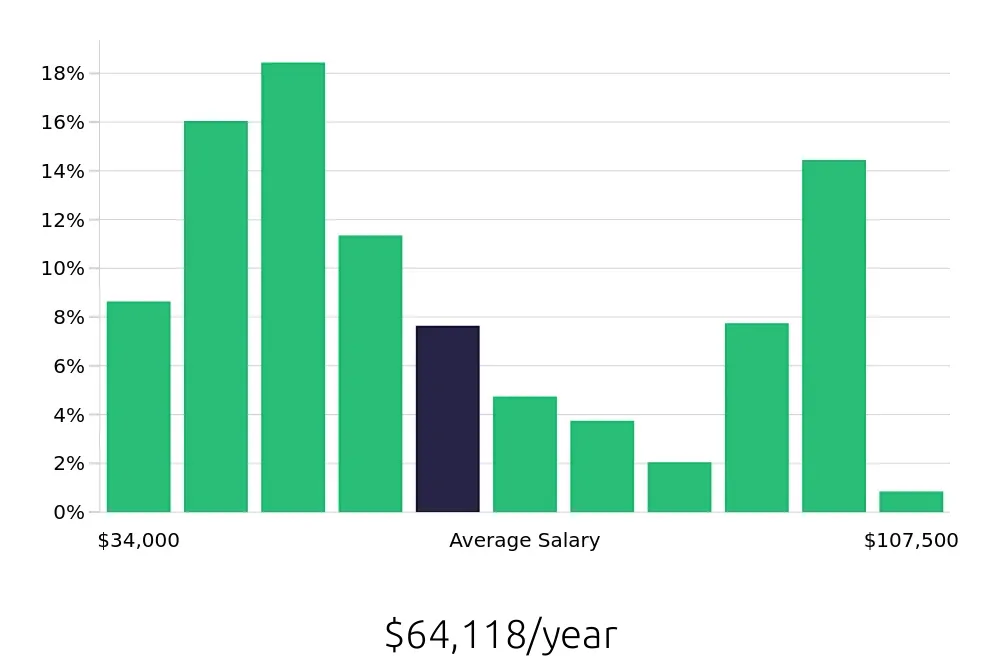
The career of an automotive painter offers competitive compensation. The BLS reports an average national annual salary of $48,200 for automotive painters. This means that those in this profession can expect a solid income. On an hourly basis, the average compensation stands at $23.17. This rate reflects the skilled work involved in automotive painting, ensuring that painters are fairly rewarded for their expertise. With these earnings, automotive painters can enjoy a comfortable lifestyle and financial stability.
Job seekers interested in automotive painting will find a market with steady growth and good compensation. The combination of a stable job outlook and competitive wages makes this field a reliable choice. The industry provides opportunities for those who are detail-oriented and skilled in painting techniques. Whether you are starting your career or looking to switch, automotive painting can offer a promising path forward.
Currently 372 Automotive Painter job openings, nationwide.
Continue to Salaries for Automotive Painter