What does a Barber do?
A barber focuses on styling and cutting men's and boys' hair. This involves a variety of tasks to ensure clients look their best. Duties include giving haircuts, trimming beards, and shaving heads. Barbers also recommend hair care products to help clients maintain their style between visits. They often use clippers, scissors, and razors. Many barbers work in salons, but some have their own businesses. This job requires strong communication skills to understand clients' needs. It also demands attention to detail to achieve a polished look.
Barbers must stay updated on the latest hair trends and techniques. This ensures they can offer modern styles. Attention to hygiene is crucial, as barbers must maintain a clean and safe environment. They also need to be patient and friendly, as clients may have different preferences and levels of comfort. The ability to work under pressure is important, especially during busy times. Many barbers build long-term relationships with regular clients. They often take pride in helping customers feel confident and refreshed.
How to become a Barber?
A career as a barber offers an opportunity to blend art and skill, creating stylish haircuts and grooming experiences for clients. This rewarding path requires dedication and a series of well-defined steps. By following a structured approach, anyone can turn their passion for hairstyling into a successful profession.
To begin, one must understand the key steps needed to become a barber. The process involves education, practice, and licensing. Each step is crucial for ensuring a strong foundation in the craft and legal ability to work professionally.
- Attend a Barber School: Enroll in a reputable barbering program to learn the fundamentals of haircutting, styling, and grooming techniques.
- Gain Hands-On Experience: Practice on mannequins and real people under supervision to refine skills and build confidence.
- Complete Training Hours: Fulfill the required hours of training, which vary by state, to meet licensing standards.
- Pass the Licensing Exam: Take and pass the barber exam to obtain a license to work legally in the field.
- Seek Employment: Find a job at a salon, barbershop, or start a freelance business to gain experience and build a client base.
How long does it take to become a Barber?
To become a barber, one must first complete training at a cosmetology school or vocational program. This training covers haircutting, styling, and grooming techniques. Most programs take about a year to complete, though some may last longer. Students learn both theory and practical skills during their education.
After finishing the program, aspiring barbers often seek internships or apprenticeships. These provide hands-on experience and help them build a client base. Licensing requirements vary by state, but generally, passing an exam is necessary. This ensures barbers meet safety and skill standards. Getting licensed adds a bit more time, often around six months, to the total timeline.
In total, it takes about 1.5 to 2 years to become a fully licensed barber. This includes training, internships, and passing the required exam. With dedication and hard work, barbers can then enjoy a rewarding career in grooming.
Barber Job Description Sample
We are seeking a skilled and detail-oriented Barber to join our team. The ideal candidate will have a passion for hairstyling and providing excellent customer service. This role involves cutting, trimming, and styling hair to meet clients' needs while maintaining a clean and professional salon environment.
Responsibilities:
- Perform haircuts, shaves, and trims for clients.
- Consult with clients to understand their haircare needs and preferences.
- Maintain a clean and organized workspace.
- Follow hygiene and safety protocols to ensure a safe salon environment.
- Keep up-to-date with the latest hairstyling trends and techniques.
Qualifications
- Proven experience as a Barber or similar role.
- Strong knowledge of haircutting, styling, and coloring techniques.
- Excellent customer service skills.
- Ability to use a variety of tools and equipment, including clippers, scissors, and razors.
- Good communication skills and a friendly demeanor.
Is becoming a Barber a good career path?
Working as a barber provides a rewarding career filled with social interaction and creative expression. Barbers often work in salons, barber shops, or even as freelance professionals. This career allows individuals to express their artistic skills and build lasting relationships with clients. Barbers may specialize in various styles, from traditional cuts to modern trends, catering to diverse customer preferences. The satisfaction of seeing a happy client leaves a positive impact on a barber's day.
Like many professions, being a barber has its advantages and challenges. Understanding these can help job seekers make informed decisions. The following list highlights some key pros and cons to consider when pursuing a career in barbering.
- Pros:
- High demand for skilled barbers.
- Opportunities for creativity and self-expression.
- Potential to earn tips from satisfied clients.
- Flexibility to work independently or in a salon setting.
- Building long-term relationships with clients.
- Cons:
- Physical strain from long hours of standing and working close to clients.
- Need to stay updated with the latest trends and styles.
- Exposure to potentially hazardous chemicals in hair products.
- Inconsistent income, depending on the number of clients and freelance work.
- High competition in urban areas.
What is the job outlook for a Barber?
The career outlook for barbers remains promising for job seekers looking to enter this field. The Bureau of Labor Statistics (BLS) reports that there are approximately 89,400 job positions available each year for barbers. This steady demand reflects a growing appreciation for personal grooming and hairstyling services. With a consistent number of job openings, barbers can find ample opportunities to secure employment and begin their careers.
Looking ahead, the BLS predicts a positive job outlook for barbers, with a projected increase of 7.6% in job openings from 2022 to 2032. This growth indicates a robust market for professionals in this field. Job seekers can look forward to many opportunities and a stable job market, making it an excellent time to enter the barbering industry. The increasing demand for personal grooming services and the expansion of barbershops across the country contribute to this optimistic forecast.
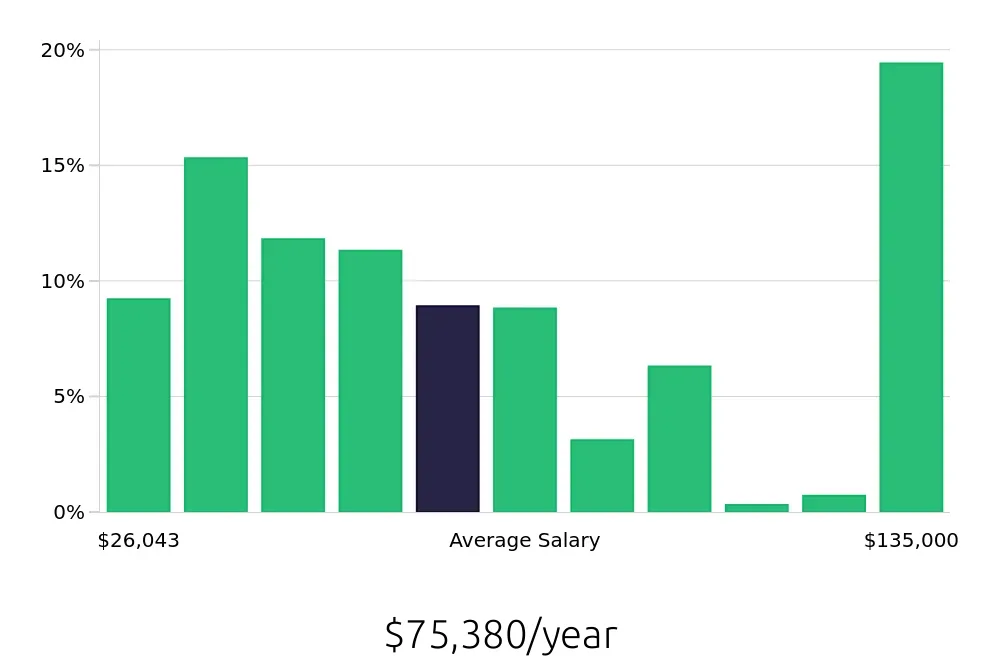
Barbers can also expect competitive compensation for their skills and expertise. According to the BLS, the average national annual compensation for barbers is $41,770. On an hourly basis, the average compensation stands at $20.08. These figures offer a clear picture of the financial rewards that come with a career in barbering. Job seekers can anticipate not only job stability but also a respectable income as they pursue a career in this rewarding profession.
Currently 460 Barber job openings, nationwide.
Continue to Salaries for Barber