What does a Barista do?
A Barista creates and serves coffee drinks in a fast-paced environment. They interact with customers, take orders, and ensure high-quality beverages are prepared quickly. A Barista must have a good understanding of different coffee types and brewing methods. They also clean and maintain equipment to keep the coffee area spotless and efficient.
Additionally, a Barista engages with customers, offering drink recommendations and providing excellent customer service. They may also handle cashier duties and ensure the right change is given. Attention to detail and a friendly demeanor are crucial in this role. A Barista should be ready to work during peak times and maintain a positive attitude, even when busy.
How to become a Barista?
Becoming a barista involves learning both the art and the science of coffee. It's a rewarding career path that combines creativity with precision. By following a few simple steps, anyone can embark on a journey to become a skilled barista. This process includes gaining knowledge, acquiring skills, and obtaining necessary certifications.
To start, research the fundamentals of coffee. Learn about different coffee beans, brewing methods, and equipment. Understanding these basics is essential. Next, practice making various coffee drinks. Experiment with different recipes and techniques. Building a strong foundation takes time and dedication.
Here are five steps to guide someone on their path to becoming a barista:
- Learn about coffee. Study the origins of coffee, its processing, and different brewing methods. Knowing the details will help create quality drinks.
- Get hands-on experience. Work at a coffee shop or café. Observe experienced baristas and ask questions. Practical experience is crucial.
- Take a barista course. Enroll in a course that offers training in coffee preparation and customer service. Certification can boost job prospects.
- Develop a strong work ethic. Be reliable, work well under pressure, and always strive to improve. A positive attitude is key to success.
- Stay updated. Keep learning about new trends and techniques in coffee. The industry is always evolving, and staying informed is important.
How long does it take to become a Barista?
Many people dream of serving coffee to others as a barista. This job can be exciting and fulfilling. It takes time to become a skilled barista. Understanding the timeline can help you set realistic goals and prepare for this career.
To start, you can learn the basics of making coffee in a few weeks. This includes understanding different coffee beans, grind sizes, and brewing methods. A few weeks of practice can teach you the fundamentals. Many baristas take formal training courses that last from a few weeks to several months. These courses teach more advanced techniques and customer service skills. Certifications often require passing an exam, showing you have the knowledge and skills needed.
Experience matters. Working in a café helps you gain real-world experience. Many new baristas start with entry-level positions. They learn from more experienced coworkers. Over time, they can move up to more advanced roles. Some baristas also choose to continue learning through workshops and online courses. Staying updated with new coffee trends and techniques can make a big difference in your career.
Barista Job Description Sample
We are seeking a passionate and skilled Barista to join our dynamic coffee shop team. The ideal candidate will have a love for coffee, excellent customer service skills, and the ability to create exceptional coffee beverages. This role requires attention to detail, the ability to multitask in a fast-paced environment, and a friendly, welcoming demeanor.
Responsibilities:
- Prepare and serve high-quality coffee beverages to customers.
- Operate and maintain coffee equipment, ensuring cleanliness and proper functionality.
- Manage inventory and restock supplies as needed.
- Ensure the coffee shop is clean and well-organized.
- Provide excellent customer service, engaging with customers to understand their preferences and making recommendations.
Qualifications
- Previous experience as a Barista or in a similar role.
- Knowledge of various coffee brewing methods and equipment.
- Ability to work in a fast-paced environment.
- Excellent customer service skills.
- Strong attention to detail.
Is becoming a Barista a good career path?
A Barista career offers a unique blend of art and science, where each cup of coffee can be a masterpiece. This profession demands a keen eye for detail and a passion for crafting beverages. The Barista works behind the counter, interacting with customers and creating delicious drinks. This role can be highly rewarding, with the satisfaction of delighting coffee lovers every day. The ability to work in a variety of settings, from cozy cafes to bustling coffee shops, adds to the appeal of this job.
The career path of a Barista includes opportunities for growth and specialization. Many baristas start with basic training and then learn advanced techniques over time. Some even choose to become certified Barista, which can lead to more responsibilities and higher pay. The social aspect of the job can be very fulfilling, as baristas often build relationships with regular customers. However, this role can also come with some challenges. It often requires long hours, including weekends and holidays, which can be demanding. Additionally, the fast-paced environment means attention to detail is crucial to avoid mistakes.
Below are some pros and cons to consider if you're thinking about becoming a Barista:
- Pros:
- Opportunity to work in a creative environment
- Interaction with customers
- Potential for career growth and specialization
- Variety of work settings to choose from
- Cons:
- Long and irregular working hours
- Fast-paced environment requiring high attention to detail
- Physical demands, such as standing for long periods
What is the job outlook for a Barista?
Job seekers interested in becoming a barista can look forward to a steady job market. The U.S. Bureau of Labor Statistics (BLS) reports an average of 789,300 job positions open each year. This means plenty of opportunities for new candidates entering the field. With a job openings percent change of 1.5% from 2022 to 2032, the job outlook remains positive. This small increase shows that demand for baristas is expected to grow at a moderate pace.
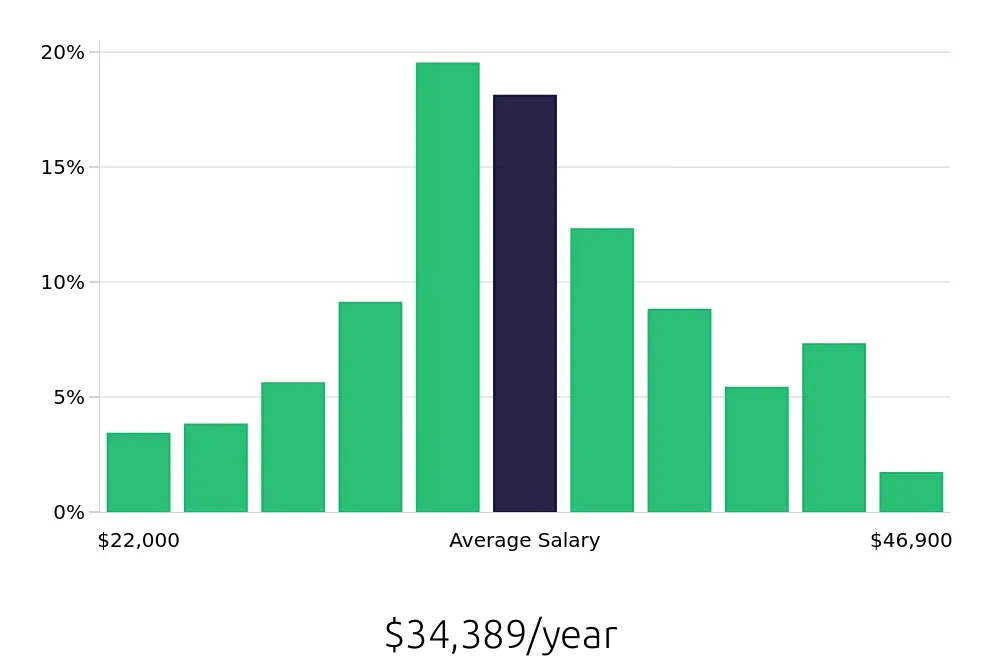
For those considering this career, it is also important to know about compensation. According to the BLS, the average national annual salary for a barista is $30,110. This translates to an hourly wage of $14.48. These figures provide a clear picture of what to expect in terms of earnings. With competitive wages and a promising job outlook, becoming a barista is a practical choice for many job seekers.
Job seekers should also note that this profession offers more than just a paycheck. Working as a barista can provide a dynamic work environment. It allows interaction with customers and the chance to learn valuable skills. The average job positions per year and steady job outlook make it a reliable career path. With over 789,300 positions available annually, there are numerous opportunities to advance and grow in this role.
Currently 6,665 Barista job openings, nationwide.
Continue to Salaries for Barista