What does a Canine Handler do?
A Canine Handler plays a crucial role in working alongside dogs to support various tasks. This role often involves training, guiding, and caring for the dogs to ensure they perform their duties effectively. Responsibilities include leading dogs through training exercises, ensuring their health and well-being, and preparing them for specific tasks such as search and rescue, detection work, or companionship roles. Canine Handlers must have a strong understanding of dog behavior and possess the ability to communicate effectively with their canine partners.
The work of a Canine Handler can vary depending on the specific job. For example, in law enforcement, handlers may assist in tracking suspects or searching for missing persons. In detection roles, handlers work with dogs to sniff out illegal substances or explosives. Each task requires a deep bond between the handler and the dog, built on trust and mutual respect. Successful Canine Handlers are patient, attentive, and dedicated to the safety and efficiency of both the dogs and the people they work with. This role demands a commitment to ongoing training and development, both for the handler and the canine partner.
How to become a Canine Handler?
Interested in becoming a Canine Handler? This career combines a love for animals with rewarding work. Canine Handlers work with police, military, and security teams. They train dogs to assist in tasks such as detecting drugs, explosives, and missing persons. Here are the steps to start your journey.
First, research the role to understand its demands and rewards. This involves learning about the training needed, the work environment, and the skills required. Gaining insight helps set clear goals and expectations.
- Education: Obtain a high school diploma or GED. Some positions require more, such as an associate's degree in criminal justice or animal science.
- Training: Complete a specialized Canine Handler training program. These programs teach both dog handling and specific job-related skills. Look for accredited programs with experienced instructors.
- Experience: Volunteer or intern with a K-9 unit. This gives practical experience and builds a network within the field.
- Certification: Get certified through recognized organizations. Certification validates your skills and enhances job prospects.
- Job Search: Apply to positions with law enforcement agencies, private security firms, and other employers. Tailor your resume to highlight your training and experience.
How long does it take to become a Canine Handler?
Interest in becoming a Canine Handler often arises from a passion for working with dogs. This career offers a unique combination of animal care and security tasks. People find satisfaction in training and partnering with dogs. Canine Handlers work in various fields, including law enforcement, search and rescue, and border patrol.
The journey to becoming a Canine Handler varies. First, one needs to complete a formal education program. Programs can last from a few months to two years. These programs cover dog training, handling, and health care. A handler must also gain practical experience. This can come from internships or volunteer work with canine units. Some jobs may require a certain amount of experience before hiring. Balancing education, training, and experience takes dedication. Those who commit often find rewarding careers ahead.
Canine Handler Job Description Sample
The Canine Handler will be responsible for the care, training, and handling of service dogs, therapy dogs, and working dogs. This role requires a deep understanding of canine behavior, strong interpersonal skills, and the ability to work in various environments.
Responsibilities:
- Provide daily care and training for assigned dogs, including feeding, grooming, exercise, and health checks.
- Train dogs to perform specific tasks and behaviors as required by their roles.
- Ensure that dogs are well-behaved and responsive to commands in public and professional settings.
- Maintain accurate records of each dog's training progress, health, and activities.
- Collaborate with veterinarians, trainers, and other professionals to ensure the well-being and proper training of the dogs.
Qualifications
- A minimum of 2 years of experience working with dogs, preferably in a professional setting.
- Certification from a recognized dog training organization is highly desirable.
- Strong knowledge of canine behavior and training techniques.
- Excellent interpersonal and communication skills.
- Ability to work independently and as part of a team.
Is becoming a Canine Handler a good career path?
Working as a Canine Handler offers a unique blend of rewarding experiences and professional challenges. This career centers on the partnership between humans and dogs, focusing on training, guiding, and ensuring the safety and well-being of canine companions. Canine Handlers work in various settings, including law enforcement, search and rescue operations, and service dog training. The role requires a deep understanding of canine behavior, strong communication skills, and the ability to work in diverse environments.
Those interested in this path should consider both the advantages and disadvantages. On the positive side, Canine Handlers enjoy the satisfaction of working with animals, a field that often brings joy and fulfillment. The role also allows for physical activity and can lead to opportunities for travel, especially in roles like search and rescue. However, it is crucial to weigh these benefits against potential drawbacks. Canine Handlers may face long hours, particularly during emergencies, and the emotional toll of working with animals in distress can be significant. The job demands physical fitness and patience, as training can be a slow and challenging process.
Considering the pros and cons is essential for making an informed decision. Below is a list that outlines some key points to think about:
- Pros:
- Opportunity to work with animals
- Potential for career satisfaction
- Physical activity and outdoor work
- Varied work environments
- Cons:
- Long and irregular hours
- Exposure to stressful situations
- Physical demands and fitness requirements
- Emotional challenges
What is the job outlook for a Canine Handler?
Canine handlers, also known as K9 officers, play a vital role in law enforcement and security. These professionals train and work with dogs to detect drugs, explosives, and other dangerous items. The job outlook for canine handlers is positive. The Bureau of Labor Statistics (BLS) reports about 1,600 job positions available each year. This shows a steady demand for skilled professionals in this field.
Job growth for canine handlers looks promising. The BLS predicts a 5.3% increase in job openings from 2022 to 2032. This growth rate is above average, indicating a growing need for these professionals in various sectors. The demand for skilled canine handlers ensures more opportunities for those entering the field. This makes it a good time for job seekers to explore this career path.
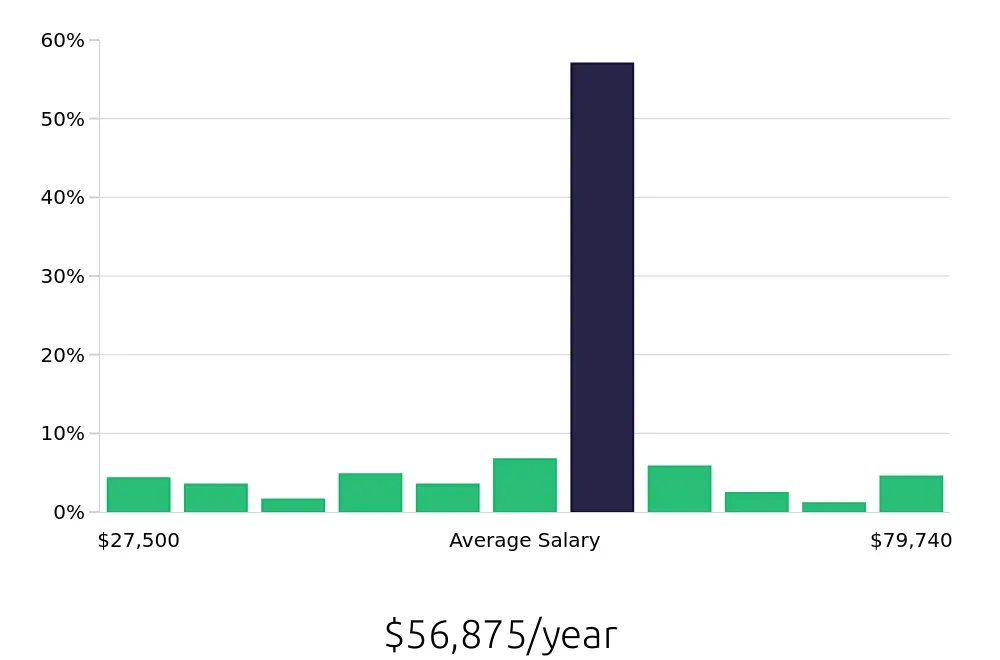
The compensation for canine handlers is competitive. The BLS reports an average annual salary of $79,550. This figure reflects the specialized skills and training required for the job. Additionally, the average hourly wage is $38.25. These figures make this career attractive to many job seekers. The combination of job growth and good compensation makes this field a strong choice for those seeking stability and advancement in their careers.
Currently 39 Canine Handler job openings, nationwide.
Continue to Salaries for Canine Handler