What does a Caregiver do?
A Caregiver provides essential support to individuals who need assistance with daily activities. This role involves offering personal care, emotional support, and companionship. Caregivers work with clients in various settings, including homes, assisted living facilities, and hospitals. Their duties may include helping with bathing, dressing, eating, and medication management. They also often engage clients in social activities to promote mental well-being.
Caregivers must be compassionate and patient. They need to communicate effectively with both clients and their families. This role demands a high level of trust and responsibility. Caregivers should be observant and attentive to the needs of their clients, ensuring a safe and comfortable environment. They often work long hours, which may include evenings, weekends, and holidays. Attention to detail and a strong commitment to quality care are crucial for success in this profession.
How to become a Caregiver?
Becoming a caregiver involves a series of steps that lead to a rewarding career. This job provides support and care for those who need it most. Caregivers can work in many settings, like homes, hospitals, or care facilities. The process starts with understanding the role and the qualities needed.
To become a caregiver, one should follow a structured path. First, gain knowledge about caregiving roles and responsibilities. Second, consider formal training or education. Third, obtain necessary certifications. Fourth, gain hands-on experience. Fifth, start applying for jobs. Each step plays a crucial role in preparing for a career in caregiving.
Starting with the first step, research the different types of caregiving. Learn about the skills and qualities that are important. Understanding what the job entails sets the foundation for a successful career.
- Research caregiving roles and responsibilities.
- Consider formal training or education programs.
- Obtain necessary certifications and licenses.
- Gain hands-on experience through internships or volunteer work.
- Start applying for caregiver positions in various settings.
Each step ensures that caregivers are well-prepared to provide quality care. With dedication and the right approach, anyone can become a skilled and compassionate caregiver.
How long does it take to become a Caregiver?
Choosing a career as a Caregiver offers rewarding opportunities to make a difference in people's lives. It involves supporting others with daily activities and health needs. This role requires compassion and patience. Caregivers work with individuals who may need help due to age, illness, or disability.
The time needed to become a Caregiver can vary. Some roles need only a brief training course. Others may require more extensive education and certifications. A Certified Nursing Assistant (CNA) program often takes a few months to complete. This includes both classroom instruction and hands-on experience. Some Caregivers choose to further their education by becoming Licensed Practical Nurses (LPNs) or Registered Nurses (RNs). These options usually require a year or more of study. Specializing in areas like hospice care or pediatric care may also demand additional training. The path to becoming a Caregiver is clear and achievable for those committed to this important work.
Caregiver Job Description Sample
We are seeking a compassionate and dedicated Caregiver to provide essential care and support to individuals in need. The Caregiver will assist with daily living activities, ensure the safety and well-being of clients, and create a nurturing and supportive environment.
Responsibilities:
- Assist clients with personal care tasks such as bathing, dressing, grooming, and toileting.
- Prepare and serve meals according to dietary needs and preferences.
- Accompany clients to medical appointments and assist with mobility as needed.
- Administer medications as prescribed and maintain accurate records.
- Engage clients in social, recreational, and educational activities to enhance their quality of life.
Qualifications
- High school diploma or equivalent required; additional education or training in caregiving or a related field is preferred.
- Previous experience in caregiving, home health care, or a similar role is highly desirable.
- Valid CPR and First Aid certification.
- Ability to pass a background check and drug screening.
- Excellent communication and interpersonal skills.
Is becoming a Caregiver a good career path?
Being a caregiver offers a unique blend of responsibilities and rewards. Caregivers work in a variety of settings, such as hospitals, nursing homes, or private homes, providing essential support to those in need. This role often involves assisting with daily activities, ensuring safety, and offering companionship. A caregiver’s dedication can significantly improve the quality of life for those they support.
The career path for caregivers has many benefits and challenges. Consider these pros and cons when exploring this rewarding field.
- Pros:
- Job satisfaction comes from helping others and making a difference in people's lives.
- Opportunities for job growth and advancement, including specialization in areas like pediatric or elder care.
- Flexible work hours that can include evenings, nights, weekends, and holidays.
- Skills gained that are transferrable to many fields, such as communication, empathy, and problem-solving.
- Cons:
- Physical demands can be strenuous, requiring lifting and assisting with mobility.
- Emotional challenges come from working with individuals who may be going through difficult times.
- Variable income depending on the type of employment, with potential for lower pay compared to other healthcare professions.
- Frequent need to be on call or work irregular hours, which can disrupt personal life.
What is the job outlook for a Caregiver?
The career outlook for caregivers remains solid, offering numerous opportunities for dedicated individuals. According to the Bureau of Labor Statistics (BLS), there are approximately 153,100 job positions available each year. This statistic highlights the ongoing demand for compassionate caregivers. The BLS also reports that while there may be a 2.0% decrease in job openings from 2022 to 2032, the field still promises stability and growth. This makes it a reliable choice for those seeking a fulfilling career.
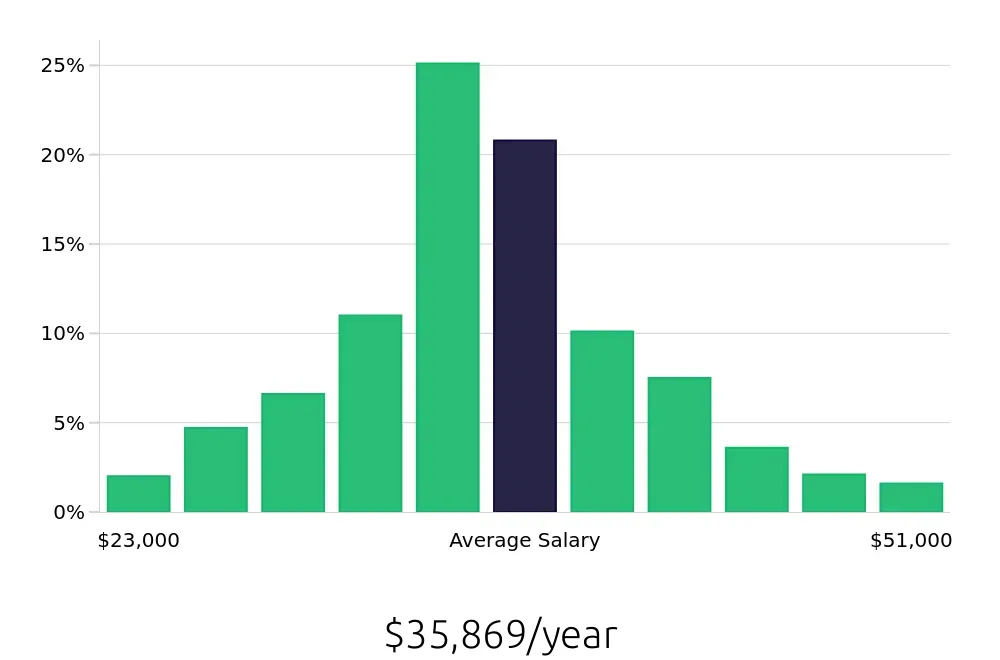
Caregivers provide essential services that support the well-being of others. This job requires empathy, patience, and a willingness to help others. The BLS reports that the average national annual compensation for caregivers is $32,070, with an hourly rate of $15.42. These figures reflect the value placed on caregivers' contributions to society. The role is rewarding, both emotionally and financially, making it a good option for those looking for a meaningful job.
A career in caregiving offers more than just a job. It provides a chance to make a real difference in people's lives. The demand for caregivers is expected to stay steady, despite small changes in job openings. This stability ensures that job seekers can find opportunities with confidence. The combination of meaningful work and a steady job outlook makes caregiving an attractive career choice for many.
Currently 10,271 Caregiver job openings, nationwide.
Continue to Salaries for Caregiver