What does a Charge Nurse do?
A Charge Nurse leads and coordinates nursing staff in a healthcare setting. They manage daily operations, ensuring patient care meets high standards. Charge Nurses oversee shifts, delegate tasks, and support other nurses. They also communicate with doctors and patients. Their role requires strong leadership and problem-solving skills. Charge Nurses ensure everything runs smoothly and efficiently.
In their duties, Charge Nurses assess patient needs and adjust care plans. They handle emergencies and ensure all staff follow protocols. They also train new nurses and maintain high-quality care. Charge Nurses must stay updated on medical practices and technology. Their work is vital for providing excellent patient care and maintaining a well-run healthcare environment.
How to become a Charge Nurse?
Becoming a Charge Nurse can lead to a rewarding career in healthcare. This role involves overseeing nursing staff, managing patient care, and ensuring smooth hospital operations. The journey to this position requires dedication, education, and experience.
Follow these steps to start a successful career as a Charge Nurse:
- Earn a Nursing Degree: Obtain a nursing degree from an accredited program. Most Charge Nurses hold at least a Bachelor of Science in Nursing (BSN).
- Pass the NCLEX-RN Exam: Take and pass the National Council Licensure Examination for Registered Nurses (NCLEX-RN). This exam is necessary to become a licensed registered nurse (RN).
- Gain Nursing Experience: Work as a registered nurse for a few years. Aim for experience in different areas of nursing to build a diverse skill set.
- Pursue Charge Nurse Training: Enroll in training programs or workshops focused on leadership and management skills. These courses help prepare for supervisory roles.
- Obtain Certification: Consider earning a Charge Nurse certification, such as the Certified Nurse Educator (CNE) credential. This can enhance job prospects and professional credibility.
With these steps, aspiring Charge Nurses can successfully navigate the path to a leadership role in healthcare. Each step is crucial in building the necessary skills and experience for this important position.
How long does it take to become a Charge Nurse?
The journey to becoming a Charge Nurse holds many rewards. This role brings added responsibility and the chance to lead a team in the healthcare field. Charge Nurses manage shifts and ensure the smooth operation of the unit. They provide essential support to both staff and patients. This position requires dedication and a clear understanding of the path ahead.
Charge Nurses must first earn a nursing degree. An Associate Degree in Nursing (ADN) usually takes two years. A Bachelor of Science in Nursing (BSN) requires four years. After completing the degree, one must pass the NCLEX-RN exam. This exam tests the knowledge and skills needed to practice nursing. Passing this exam opens the door to a nursing license. New nurses then gain experience in the field. Many start as staff nurses, working anywhere from one to three years. This experience builds skills and knowledge. Charge Nurse roles often require additional training or certification. Some employers prefer a Master’s Degree in Nursing (MSN). This can add one to two more years to the timeline. Dedication and experience lead to the rewarding role of a Charge Nurse.
Charge Nurse Job Description Sample
A Charge Nurse is responsible for overseeing the daily nursing activities on a specific shift to ensure high-quality patient care. They coordinate with the healthcare team, manage patient assignments, and provide direct patient care as needed. This role requires strong leadership skills, clinical expertise, and the ability to work under pressure.
Responsibilities:
- Supervise and coordinate the nursing staff on their assigned shift, ensuring efficient patient care.
- Assign patient care tasks and delegate duties to nursing staff based on skill level and workload.
- Monitor patient conditions and report any changes to the attending physician or healthcare team.
- Ensure compliance with hospital policies, procedures, and regulatory requirements.
- Provide direct patient care, including administering medications and treatments, as needed.
Qualifications
- Registered Nurse (RN) license in the state of practice.
- Bachelor of Science in Nursing (BSN) preferred.
- Minimum of 2-3 years of nursing experience, with previous charge nurse experience preferred.
- Strong clinical skills and knowledge of nursing practices and procedures.
- Excellent leadership and communication skills.
Is becoming a Charge Nurse a good career path?
A Charge Nurse takes on a vital role in healthcare settings, overseeing patient care and leading nursing teams. They coordinate daily operations and ensure quality care. This position combines clinical expertise with strong leadership skills. It offers a rewarding path for those passionate about nursing and patient care.
Working as a Charge Nurse has several advantages. It provides leadership opportunities, allowing nurses to manage teams and influence patient outcomes. This role often comes with higher pay compared to staff nurses. Charge Nurses also gain valuable experience, making them strong candidates for further leadership roles, such as Nurse Manager or Director of Nursing. However, this career path involves challenges, like long hours and high stress, due to the demanding nature of healthcare environments. Charge Nurses must balance multiple tasks and handle emergencies, which can be overwhelming. This role requires strong communication and organizational skills to manage both clinical and administrative duties effectively.
Below are pros and cons to consider:
- Pros:
- Leadership opportunities
- Higher pay
- Career advancement potential
- Cons:
- Long hours
- High stress
- Need for strong organizational skills
What is the job outlook for a Charge Nurse?
The role of a Charge Nurse offers a promising job outlook for aspiring healthcare professionals. According to the Bureau of Labor Statistics (BLS), there are on average 193,100 job positions available each year. This trend shows a positive growth trajectory, with a projected increase of 5.6% from 2022 to 2032. This indicates a steady demand for skilled Charge Nurses in various healthcare settings.
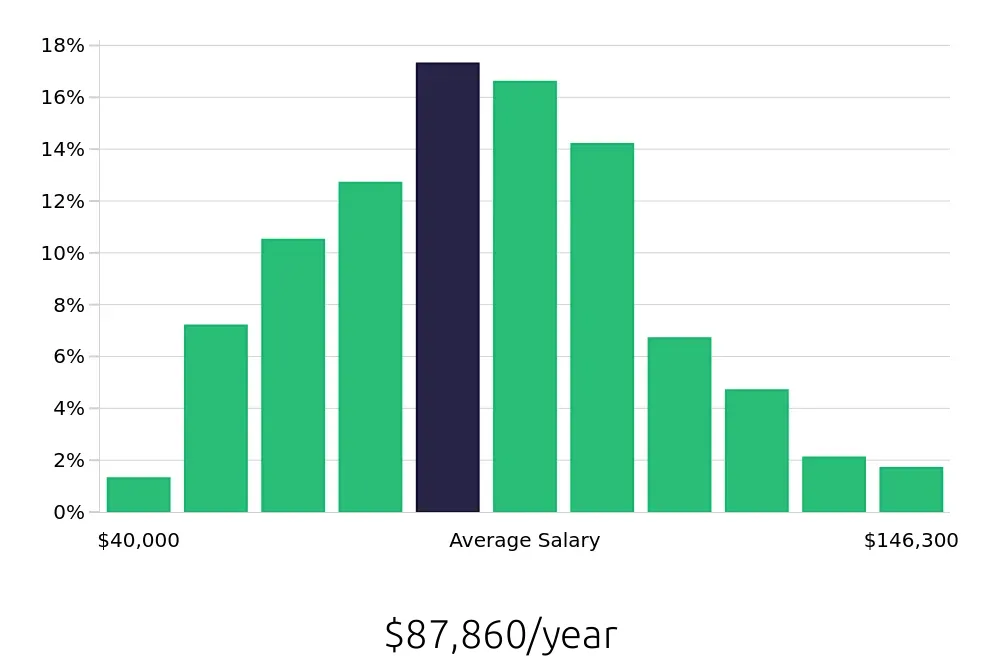
Charge Nurses enjoy a competitive average annual compensation. The BLS reports an average national annual salary of $94,480. This figure highlights the value placed on their leadership and management skills within the healthcare industry. Additionally, the average national hourly compensation stands at $45.42, reflecting the specialized knowledge and responsibilities that Charge Nurses bring to their roles.
With a strong job outlook and attractive compensation, the Charge Nurse position is an excellent career choice. Job seekers looking for a rewarding role in healthcare will find this profession both stable and lucrative. The combination of job stability and financial benefits makes it an appealing option for those considering a career in nursing.
Currently 2,093 Charge Nurse job openings, nationwide.
Continue to Salaries for Charge Nurse