What does a Clinical Manager do?
A Clinical Manager oversees clinical operations in healthcare settings. They ensure patient care meets high standards. This position involves coordinating staff, managing budgets, and improving patient care. The Clinical Manager collaborates with doctors, nurses, and other healthcare professionals. They implement policies and procedures to enhance care quality. Effective communication is key in this role. The manager also conducts training sessions for staff. They handle staffing issues and ensure compliance with healthcare regulations. The Clinical Manager plays a crucial role in maintaining a safe and efficient healthcare environment.
This role requires strong leadership skills. The Clinical Manager must be detail-oriented and organized. They need to handle multiple tasks simultaneously. Problem-solving skills are essential. The Clinical Manager must stay updated on healthcare trends and best practices. This position involves working closely with other departments. They ensure all clinical staff follows protocols. The Clinical Manager aims to improve patient outcomes and satisfaction. This role is vital in the smooth operation of healthcare facilities.
How to become a Clinical Manager?
Becoming a Clinical Manager involves a clear path and dedication to healthcare administration. Clinical Managers ensure that patient care meets high standards while coordinating with medical staff. This role is ideal for professionals with both clinical and managerial experience.
The journey to this position requires education, experience, and the right certifications. Here are five steps to guide someone on this career path:
- Obtain the Necessary Education: Start with a degree in nursing or a related field. A Bachelor of Science in Nursing (BSN) is often preferred.
- Gain Relevant Experience: Work in clinical settings to build experience. Positions such as Registered Nurse (RN) or Nurse Practitioner (NP) are valuable.
- Pursue Advanced Education: Consider a Master of Science in Nursing (MSN) with a focus on leadership or administration.
- Seek Certification: Obtain certifications such as the Certified Nurse Manager and Leader (CNML) to enhance credentials.
- Apply for Managerial Positions: Look for openings as a Clinical Manager or similar roles. Use networking and professional connections to find opportunities.
Following these steps will help someone prepare for a successful career as a Clinical Manager. This role is both rewarding and impactful, offering the chance to make a significant difference in healthcare settings.
How long does it take to become a Clinical Manager?
Pursuing a role as a Clinical Manager involves a clear path. First, a person should complete a bachelor’s degree in nursing or a related field. This usually takes about four years. After earning the degree, gaining experience in clinical settings is essential. Most people work as registered nurses for several years to build their skills and knowledge. Experience often ranges from three to five years. Some may also choose to get a master’s degree in nursing or healthcare administration, which adds about two years to the timeline.
Becoming a Clinical Manager also requires meeting certain requirements. These often include passing a certification exam and fulfilling specific job duties in healthcare settings. Certification usually takes a few months to prepare for and complete. Some healthcare organizations may offer mentorship or training programs to help prepare for the role. These programs can last from several months to a couple of years. On average, it takes about seven to nine years from the start of a bachelor’s degree to becoming a Clinical Manager. This timeline can vary based on individual career choices and opportunities.
Clinical Manager Job Description Sample
The Clinical Manager is responsible for overseeing clinical operations, ensuring the delivery of high-quality patient care, managing clinical staff, and maintaining compliance with regulatory standards. This role involves strategic planning, staff development, and collaboration with other healthcare professionals to enhance patient outcomes and operational efficiency.
Responsibilities:
- Develop and implement clinical policies and procedures to ensure high-quality patient care.
- Supervise and manage clinical staff, including hiring, training, and performance evaluations.
- Collaborate with other healthcare professionals to coordinate patient care and improve clinical outcomes.
- Ensure compliance with all regulatory standards and accreditation requirements.
- Develop and manage the clinical budget, monitoring expenditures, and identifying cost-saving opportunities.
Qualifications
- Bachelor’s degree in Nursing, Healthcare Administration, or a related field; Master’s degree preferred.
- Current licensure or certification as required by the state or country.
- Minimum of 5 years of experience in a clinical leadership role, with a proven track record in managing clinical staff and operations.
- Strong knowledge of healthcare regulations, accreditation standards, and clinical best practices.
- Excellent leadership, communication, and interpersonal skills.
Is becoming a Clinical Manager a good career path?
A Clinical Manager oversees the clinical operations within a healthcare facility. They ensure that all medical services meet high standards and that staff perform efficiently. This role involves coordinating between doctors, nurses, and other healthcare workers. Clinical Managers also manage budgets and resources to maintain smooth operations.
Working as a Clinical Manager offers many benefits and some challenges. Below are some pros and cons to consider.
- Pros:
- You help improve patient care by ensuring high-quality medical services.
- You have the chance to lead and mentor a team of healthcare professionals.
- You can make a real difference in people’s health and well-being.
- You often have opportunities for career growth and advancement.
- Cons:
- The job can be very demanding and stressful at times.
- You may have to work long hours, including nights and weekends.
- You need to stay updated with the latest healthcare regulations and technologies.
- Conflicts among staff can be challenging to manage.
What is the job outlook for a Clinical Manager?
The role of a Clinical Manager has a promising job outlook for aspiring professionals. According to the Bureau of Labor Statistics (BLS), the average number of job positions available per year stands at 8,300. This steady demand highlights a robust need for skilled Clinical Managers. Job seekers can expect a positive trend in this field, making it an excellent career path to pursue.
Prospective Clinical Managers should also note the projected job openings percent change from 2022 to 2032, which is expected to increase by 11.1%. This growth rate indicates that opportunities in this field will continue to expand. Aspiring professionals can look forward to more job openings and a better chance at securing a position in the coming years. The BLS data suggests a strong and stable career ahead in clinical management.
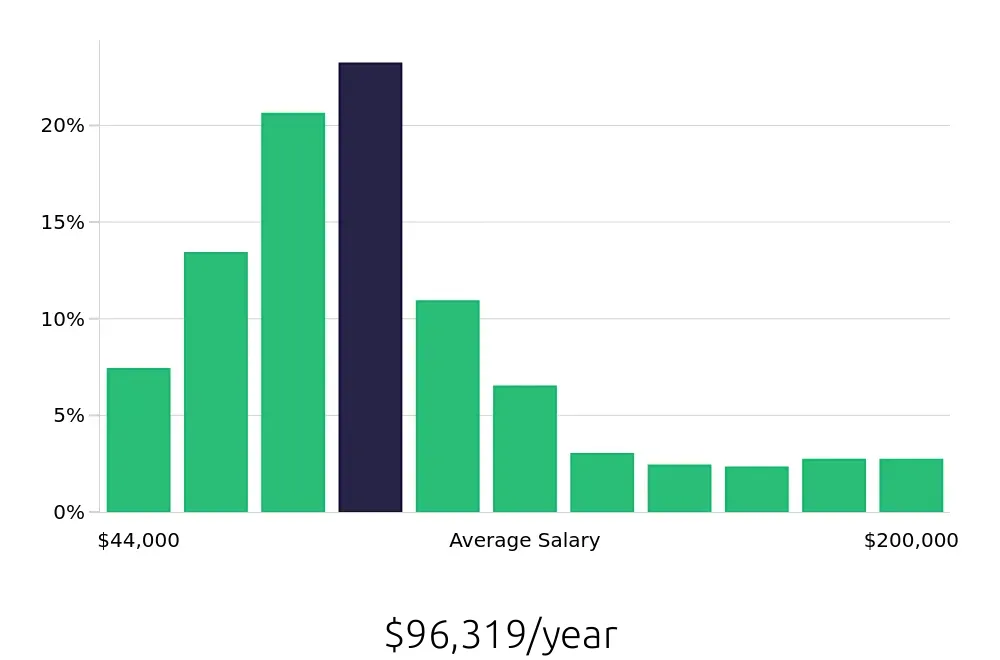
In terms of compensation, Clinical Managers can expect competitive pay. The average national annual compensation for this role is $110,850. Additionally, the average national hourly compensation stands at $53.29. These figures reflect the value placed on the skills and responsibilities of Clinical Managers. Job seekers can anticipate a rewarding salary that matches their expertise and contributions to the healthcare industry. This makes a career in clinical management both financially and professionally attractive.
Currently 1,995 Clinical Manager job openings, nationwide.
Continue to Salaries for Clinical Manager