Position
Overview
A cook prepares meals in a variety of settings, including restaurants, hotels, and private homes. This role involves following recipes to create delicious and appealing dishes. Cooks often work in fast-paced environments, where they must pay close attention to detail to ensure food is cooked correctly and served on time. They may work with different types of ingredients and kitchen equipment, from ovens to blenders.
Responsibilities of a cook can include chopping vegetables, cooking meats, baking pastries, and plating food to make it look attractive. Cooks must also ensure that food is stored properly to keep it fresh. They often work as part of a team, taking orders and communicating with other kitchen staff to serve customers efficiently. Attention to food safety and hygiene is crucial, as cooks must follow strict guidelines to prevent foodborne illnesses. Cooks may work long hours, including evenings and weekends, depending on where they are employed.
Becoming a cook offers a rewarding career in the culinary arts. This profession combines creativity with skill, allowing individuals to craft delicious meals. To start this exciting journey, follow these essential steps to become a professional cook.
First, it is important to understand the basic requirements. Most cooks begin by completing a high school diploma or equivalent. Some may also complete a vocational training program at a culinary school. These programs teach important skills like knife techniques, cooking methods, and kitchen safety. After gaining this knowledge, the next step involves gaining practical experience. This can include internships or entry-level positions in restaurants or cafes.
Here are five steps to guide someone in becoming a cook:
By following these steps, a person can build a strong foundation in the culinary world. With dedication and hard work, one can eventually become a skilled and successful cook.
The journey to becoming a cook can vary. Many cooks learn through hands-on experience. Some start with an apprenticeship. Others go to culinary school. On average, it takes about one to four years. Most apprenticeships last one to four years. Culinary school programs range from a few months to two years.
To begin, a person might work in a kitchen. This helps them learn basic skills. After gaining some experience, they may move up to more advanced cooking roles. Some people find jobs at restaurants or hotels. Others start in small cafes or food trucks. This real-world experience is valuable. It helps cooks improve their skills quickly. Many find that gaining experience in different types of kitchens makes them better cooks.
We are seeking a talented and skilled Cook to join our culinary team. The ideal candidate will be passionate about food, possess excellent culinary skills, and be able to work in a fast-paced environment.
Responsibilities:
Qualifications
A cook plays a vital role in the food service industry. They prepare meals in restaurants, hotels, or private homes. Cooks follow recipes, measure ingredients, and ensure food is cooked correctly. This job allows for creativity in meal presentation. Cooks can experiment with flavors and cooking techniques. The work environment can be fast-paced, especially during peak hours.
This career has both positive and negative aspects. On the positive side, cooks get to be creative with food. They can develop unique dishes. Cooks also work in a social environment. They interact with customers and other kitchen staff. This job offers opportunities for advancement. Experienced cooks can become chefs or kitchen managers. However, there are challenges too. Cooks often work long hours, sometimes under pressure. The job can be physically demanding. Cooks stand for long periods and lift heavy pots. Wages can be low, especially for entry-level positions.
Consider these pros and cons before choosing this career path:
Becoming a cook offers a promising career path with a strong job outlook. The Bureau of Labor Statistics (BLS) reports an average of 22,000 job positions for cooks each year. This consistent demand points to a stable career with plenty of opportunities. Cooks work in various settings, from restaurants to schools, providing a broad range of job options.
The outlook for cooks looks positive with a projected growth of 5.3% from 2022 to 2032, according to BLS data. This growth means more job openings for those entering the field. As people continue to value dining experiences, the need for skilled cooks will rise. This trend benefits job seekers looking for stability and growth in their careers.
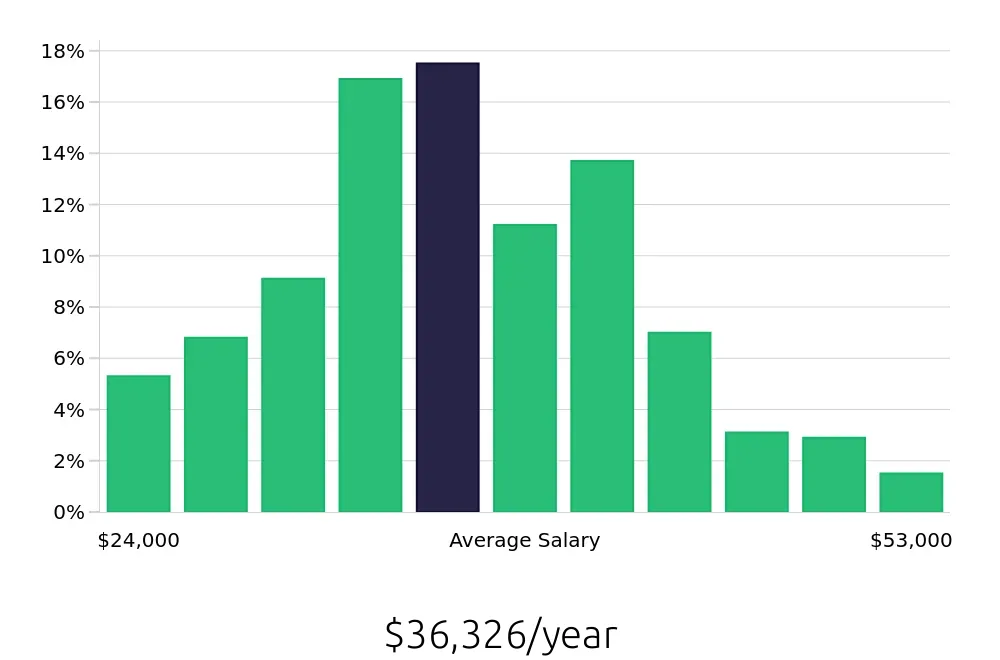
Cooks enjoy a competitive salary as well. The BLS reports an average annual compensation of $45,780. On an hourly basis, the average wage is $22.01. These figures reflect the value employers place on skilled culinary professionals. With experience and additional training, cooks can even earn more. This makes a career in cooking both rewarding and financially viable.