What does a Custom Protection Officer do?
A Custom Protection Officer plays a key role in safeguarding government and private properties. They patrol designated areas to deter and prevent unauthorized activities. This role involves monitoring entry and exit points, conducting regular inspections, and ensuring compliance with safety regulations. Officers must be vigilant and attentive, capable of responding swiftly to any security threats.
In addition to security, Custom Protection Officers often assist with crowd control during events and emergencies. They communicate effectively with other security personnel, local law enforcement, and emergency services. The job requires a strong sense of duty and the ability to make quick, informed decisions. Officers must maintain detailed records of their patrols and any incidents they encounter. This role is vital in maintaining a safe environment for both property and individuals.
How to become a Custom Protection Officer?
Becoming a Custom Protection Officer involves several steps that focus on gaining the necessary skills, training, and experience. This profession requires dedication and a commitment to protecting valuable assets and ensuring compliance with customs regulations. Following a structured path can help individuals successfully enter this field.
Interested candidates should start by researching the requirements and responsibilities of a Custom Protection Officer. This includes understanding the role's key duties, such as monitoring activities, preventing illegal trades, and safeguarding property. A solid foundation in these areas will guide the next steps in the process.
- Obtain necessary qualifications
- Gain relevant experience
- Complete required training
- Pass required exams
- Apply for positions
First, candidates should ensure they meet the basic educational and experience requirements. This typically means having a high school diploma or equivalent and some experience in law enforcement or security. Experience in these fields can include working as a police officer, security guard, or in similar roles. Gaining experience will make the transition into custom protection smoother.
Next, candidates need to complete any required training programs. These programs often cover topics such as customs laws, security protocols, and conflict resolution. Training is crucial for understanding the specifics of customs work and learning how to handle various situations effectively.
Following training, candidates must pass any necessary exams. These tests usually assess knowledge of customs regulations and practical skills. Passing these exams is a key step to becoming certified and ready for employment.
Finally, candidates should apply for positions with customs agencies or private companies. Preparing a strong resume and cover letter highlighting relevant experience and training will increase the chances of securing a job. Networking with current officers can also provide valuable insights and opportunities.
How long does it take to become a Custom Protection Officer?
The journey to becoming a Custom Protection Officer can vary. It often takes between a few months to a year, depending on several factors. To start, one needs to meet basic requirements such as being at least 21 years old and having a high school diploma or equivalent. Some positions might require prior military or law enforcement experience, which can speed up the process. After meeting these requirements, candidates need to pass a background check, a drug test, and physical fitness tests. Training programs usually include classroom instruction and hands-on practice.
Training programs can range from a few weeks to several months, depending on the state and employer. Many programs provide intensive courses that cover areas like firearms training, defensive tactics, and emergency procedures. Upon completing the training, officers often need to pass a written exam and a skills assessment. This ensures they are ready to handle the duties of the job. For those who aim to become a Special Agent with the U.S. Customs and Border Protection, additional steps are required. This includes meeting more stringent physical and background check requirements and passing the federal hiring process, which can take longer. However, the investment in time and effort pays off in securing a rewarding career in law enforcement.
Custom Protection Officer Job Description Sample
A Custom Protection Officer is responsible for ensuring the safety and security of a company's assets, personnel, and facilities. They are tasked with monitoring and controlling access to restricted areas, conducting risk assessments, and implementing security measures to prevent unauthorized access and mitigate potential threats.
Responsibilities:
- Monitor and control access to restricted areas and ensure compliance with security protocols.
- Conduct regular patrols of the facility and respond to incidents or emergencies as needed.
- Perform risk assessments and develop security plans to prevent unauthorized access and mitigate potential threats.
- Investigate incidents and prepare reports on findings and recommendations.
- Collaborate with law enforcement agencies and other security personnel to ensure the safety and security of the facility.
Qualifications
- High school diploma or equivalent required; associate's or bachelor's degree in criminal justice, law enforcement, or a related field preferred.
- Previous experience in security, law enforcement, or a related field.
- Valid security guard license or certification in the state of employment.
- Ability to pass a background check and drug screening.
- Strong communication, interpersonal, and problem-solving skills.
Is becoming a Custom Protection Officer a good career path?
Working as a Custom Protection Officer (CPO) offers a blend of job security, unique challenges, and meaningful contributions. This role involves protecting individuals, properties, and assets, which requires a strong sense of responsibility and a commitment to public safety. CPOs often work in diverse environments, from government buildings to private corporate campuses, ensuring that all areas are secure and compliant with relevant laws and regulations.
The job offers the chance to gain experience in law enforcement, security, and crisis management. CPOs can expect to develop skills in surveillance, conflict resolution, and emergency response. They can also advance within the field, taking on roles with greater responsibilities and higher pay. This career path provides many opportunities for professional growth and specialization in areas such as corporate security, event protection, or international security assignments.
Choosing a career as a CPO comes with its own set of benefits and challenges. Here are some pros and cons to consider:
- Pros:
- Job security: High demand for skilled security personnel.
- Opportunities for advancement: Potential to move into leadership roles.
- Diverse work environments: Experience in various settings, from public to private sectors.
- Skill development: Gain valuable skills in security, law enforcement, and emergency response.
- Cons:
- Physical demands: The job can be physically demanding and require long hours.
- Stressful situations: Handling high-pressure and potentially dangerous scenarios.
- Variable hours: May need to work nights, weekends, and holidays.
- Requirements for licensing: Need to meet specific educational and certification requirements.
What is the job outlook for a Custom Protection Officer?
Finding a job as a Custom Protection Officer offers promising opportunities. The Bureau of Labor Statistics (BLS) shows that an average of 151,700 job positions open each year. This means many chances to start or change careers in this field. The demand remains steady, providing a reliable career path for job seekers.
The outlook for Custom Protection Officers is stable. While the job openings may decrease by 1.3% from 2022 to 2032, according to the BLS, it still presents a solid career choice. This stability suggests that professionals can expect continued employment and growth opportunities within this industry. It is a reliable field for those seeking job security.
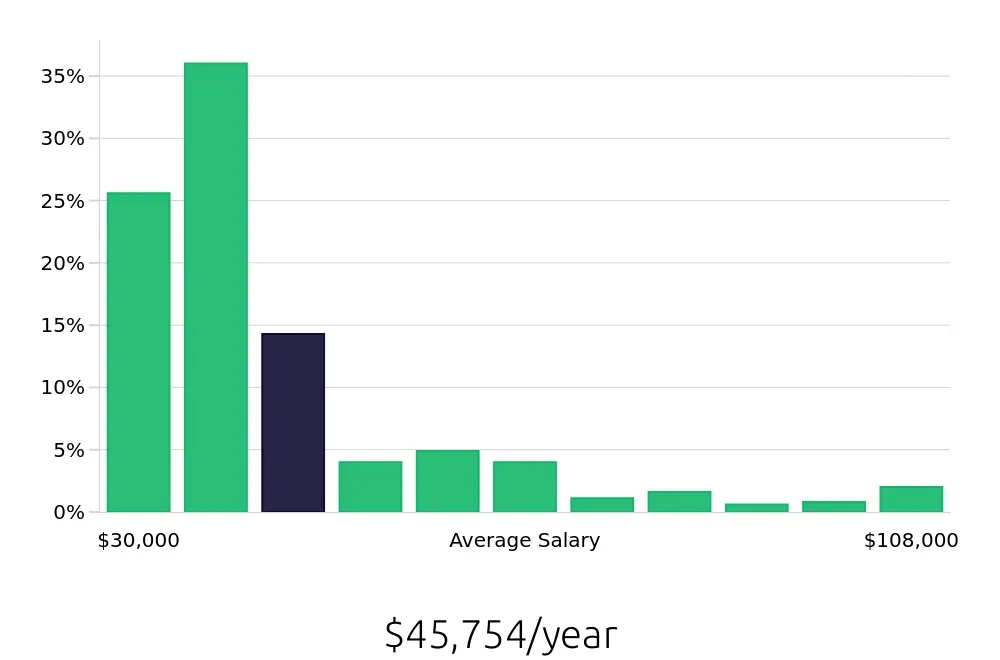
Custom Protection Officers earn a competitive salary as well. The BLS reports an average annual compensation of $40,460. Hourly, this translates to about $19.45. This pay reflects the value of the skills and responsibilities in this role. For job seekers, this compensation offers a good financial incentive to enter and stay in this profession. The combination of job stability and fair pay makes this a good career path to consider.
Currently 95 Custom Protection Officer job openings, nationwide.
Continue to Salaries for Custom Protection Officer