What does a Data Manager do?
A Data Manager leads the way in organizing and overseeing a company's data. This professional ensures data accuracy, accessibility, and security. They handle databases, analyze information, and create reports to support decision-making. A Data Manager often works closely with IT staff to maintain systems and ensure data integrity. They must understand both data management principles and the specific needs of the organization they serve.
This role involves several key responsibilities. A Data Manager develops and implements data policies and procedures. They identify data needs and collect relevant information from various sources. This position also collaborates with different departments to understand their data requirements. The Data Manager ensures compliance with data protection regulations and helps in improving data quality. They train staff on data management best practices and tools. This role is crucial in helping businesses make informed decisions based on reliable data.
How to become a Data Manager?
Becoming a Data Manager involves a clear path of education, skill development, and experience. A Data Manager plays a crucial role in organizing, protecting, and analyzing data within an organization. This role requires a combination of technical skills and business acumen.
Starting a career as a Data Manager often begins with acquiring the right education and skills. Many Data Managers hold a degree in computer science, information management, or a related field. Some employers may accept candidates with degrees in business or mathematics. Gaining relevant skills through coursework, certifications, and practical experience is essential. Key skills include data analysis, database management, and understanding data security and privacy regulations. Seeking out internships or entry-level positions can provide valuable experience and insight into the field.
Here are the steps to becoming a Data Manager:
- Earn a degree in a relevant field.
- Develop key skills through coursework and certifications.
- Gain experience through internships or entry-level positions.
- Network with professionals in the industry.
- Apply for Data Manager positions and continue to develop skills.
How long does it take to become a Data Manager?
Pursuing a career as a Data Manager involves a mix of education, skills, and experience. Most positions require a bachelor’s degree in computer science, information technology, or a related field. This typically takes about four years to complete. Some positions may prefer or require a master’s degree, adding another two years.
During this time, individuals gain crucial skills in data management, data analysis, and software proficiency. Hands-on experience, such as internships or part-time jobs, helps reinforce learning. This blend of education and practical experience prepares candidates for entry-level roles. Gaining more experience and skills can lead to higher positions or specialized roles in the future.
Data Manager Job Description Sample
The Data Manager is responsible for overseeing the collection, management, and analysis of data to support decision-making processes within the organization. This role involves ensuring data accuracy, managing data systems, and providing data-driven insights to various departments.
Responsibilities:
- Develop and maintain databases, ensuring data integrity and security.
- Analyze data to identify trends, insights, and areas for improvement.
- Collaborate with different departments to understand their data needs and provide relevant data analysis.
- Implement data management policies and procedures to ensure compliance with regulatory standards.
- Create and maintain comprehensive data documentation and reporting.
Qualifications
- Bachelor’s degree in Data Science, Statistics, Computer Science, or a related field.
- Proven experience in data management and data analysis.
- Proficiency in data management tools and software (e.g., SQL, Excel, Tableau, Power BI).
- Strong analytical and problem-solving skills.
- Excellent communication and presentation skills.
Is becoming a Data Manager a good career path?
A career as a Data Manager involves overseeing and organizing data within an organization. This role requires a mix of technical skills, analytical thinking, and strong communication abilities. Data Managers work with databases, ensuring data accuracy and security. They analyze data to help businesses make better decisions. This career path can lead to various opportunities in different industries, from healthcare to finance.
Choosing to become a Data Manager offers several benefits. Data Managers play a key role in a company's success. They help improve processes and strategies based on data insights. This career often offers good job stability and competitive salaries. However, the role also has its challenges. Data Managers must stay updated with new technologies and tools. They also need to work closely with different teams, which can sometimes be demanding.
Here are some pros and cons to consider:
- Pros:
- High demand for skilled professionals
- Opportunities for career growth
- Competitive salaries
- Variety of industries to work in
- Cons:
- Need for continuous learning
- High responsibility for data accuracy
- Potential for high-pressure situations
- Collaboration with multiple departments
What is the job outlook for a Data Manager?
The job outlook for Data Managers looks promising for job seekers aiming to enter this field. According to the Bureau of Labor Statistics (BLS), the job market for Data Managers is robust, with an average of 40,200 positions available each year. This trend highlights the increasing demand for professionals who can manage and analyze complex data sets.
The BLS also forecasts a positive job growth rate of 4.0% from 2022 to 2032. This growth suggests that companies will continue to value the skills of Data Managers in making data-driven decisions. With consistent opportunities and a growing market, job seekers can find stable employment in this sector.
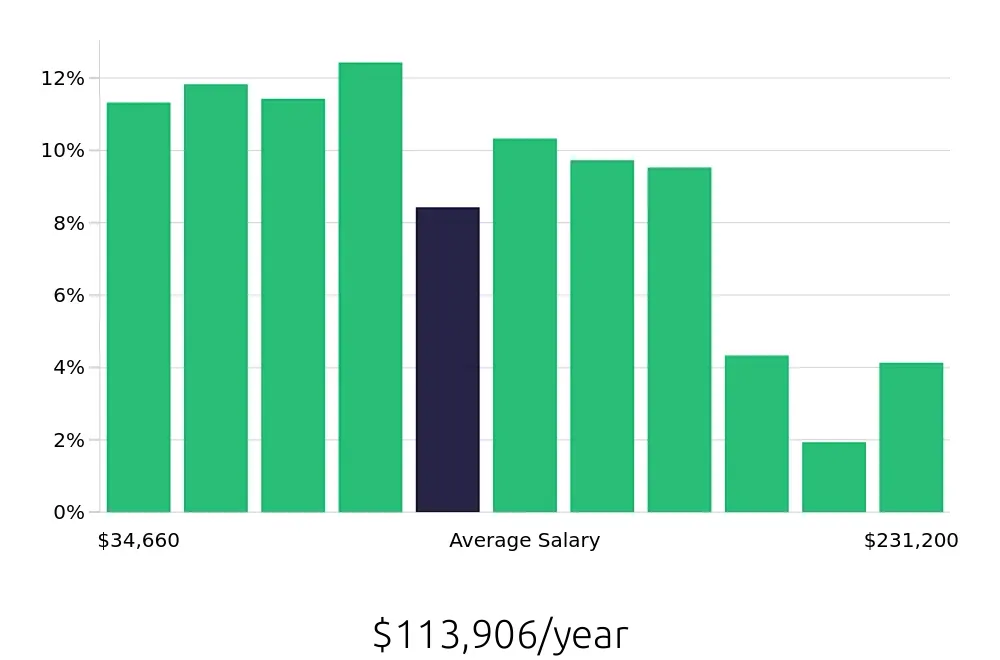
In terms of compensation, Data Managers enjoy a strong earning potential. The BLS reports an average annual salary of $113,710 and an hourly rate of $54.67. These figures reflect the critical role Data Managers play in various industries, from healthcare to technology, and their importance in driving business success. Aspiring Data Managers can look forward to both job security and attractive remuneration packages.
Currently 362 Data Manager job openings, nationwide.
Continue to Salaries for Data Manager