What does a Dietary Cook do?
The Dietary Cook plays a vital role in the kitchen of a healthcare or educational facility. This professional prepares meals for patients, students, or residents according to dietary needs and restrictions. The Dietary Cook follows recipes and menus to ensure that each dish is both nutritious and appealing. They work closely with dietitians and nutritionists to create meals that meet specific health requirements.
In addition to meal preparation, the Dietary Cook is responsible for maintaining a clean and safe kitchen environment. This includes sanitizing food preparation areas and kitchen tools. The Dietary Cook also manages inventory and ensures that ingredients are fresh and properly stored. Attention to detail and a commitment to food safety are key to this role. The Dietary Cook ensures that each meal meets high standards of quality and safety.
How to become a Dietary Cook?
Becoming a Dietary Cook involves a series of steps that combine training, experience, and certification. This career path is ideal for those passionate about nutrition and cooking. It offers the chance to work in hospitals, schools, and other facilities. Follow these steps to start a career as a Dietary Cook.
The process begins with obtaining the necessary education and training. Most employers require a high school diploma or GED. Some community colleges offer food service and culinary arts programs. These programs teach the basics of food preparation and kitchen safety. Completing a program can give job seekers an advantage.
- Obtain necessary education and training.
- Gain experience through internships or entry-level jobs.
- Apply for positions at hospitals, schools, or other facilities.
- Complete certification if required by the employer.
- Continue learning and updating skills.
After completing an education program, gaining practical experience is essential. Many community colleges offer internships or partnerships with local businesses. These opportunities allow job seekers to learn on the job. Working under experienced chefs can build skills and confidence. It also helps in understanding the daily tasks of a Dietary Cook.
Next, job seekers should apply for positions at hospitals, schools, or other facilities that need Dietary Cooks. Tailoring the resume and cover letter to highlight relevant skills and experience can increase the chances of getting hired. Networking with professionals in the field can also lead to job opportunities. Finally, some employers require certification in food safety and handling. Completing a food safety course can open more job opportunities and improve job security.
How long does it take to become a Dietary Cook?
Interested in a career as a Dietary Cook? This role involves preparing meals that meet special dietary needs. It can be a rewarding job for those who enjoy cooking and helping others. The time it takes to become a Dietary Cook varies based on education and experience.
Most people need some formal training. This can come from a certificate program, an associate’s degree, or even on-the-job training. Certificate programs usually last from a few months to a year. Associate’s degrees in culinary arts or food service management take about two years. Some community colleges offer these programs. After completing a program, a person can look for entry-level positions to gain experience. On-the-job training can take an additional few months to a year, depending on the employer and the person’s learning speed.
Dietary Cook Job Description Sample
The Dietary Cook is responsible for preparing nutritious and appealing meals for patients, staff, and visitors in accordance with dietary restrictions and nutritional guidelines. This role requires attention to detail, strong culinary skills, and the ability to work efficiently in a fast-paced environment.
Responsibilities:
- Prepare meals based on established recipes and dietary guidelines.
- Ensure food quality, taste, and presentation meet facility standards.
- Adhere to safety and sanitation standards in food preparation and storage.
- Assist in the planning and development of new menu items.
- Monitor inventory levels and assist in ordering food supplies.
Qualifications
- High school diploma or equivalent required; culinary training preferred.
- Previous experience in a commercial kitchen or food service setting.
- Knowledge of dietary restrictions and nutritional guidelines.
- Ability to work under pressure and meet strict deadlines.
- Strong organizational and time management skills.
Is becoming a Dietary Cook a good career path?
Being a Dietary Cook involves preparing meals that meet specific nutritional needs. This role requires attention to detail and a good understanding of dietary requirements. It is ideal for those who enjoy cooking and have an interest in nutrition. This career offers opportunities to work in various settings, such as hospitals, schools, and care homes.
Dietary Cooks enjoy a stable job market with consistent demand. They often work in environments that value their skills, leading to job satisfaction. The role provides the chance to be creative in the kitchen and to help improve the health of others through food. However, the job can be physically demanding, with long hours on one’s feet and exposure to high temperatures in commercial kitchens.
Consider the pros and cons before pursuing this career path:
- Pros:
- Steady job opportunities.
- Job satisfaction from helping others.
- Opportunities for creativity and skill development.
- Cons:
- Physically demanding job.
- Long hours on feet.
- Potential exposure to high kitchen temperatures.
What is the job outlook for a Dietary Cook?
The job outlook for Dietary Cooks appears promising for those considering a career in this field. According to the Bureau of Labor Statistics (BLS), there are an average of 439,300 job positions available each year. This steady demand indicates that the need for skilled Dietary Cooks remains consistent. The BLS also projects a 6.4% increase in job openings from 2022 to 2032, suggesting that this career path will continue to offer opportunities for growth and advancement.
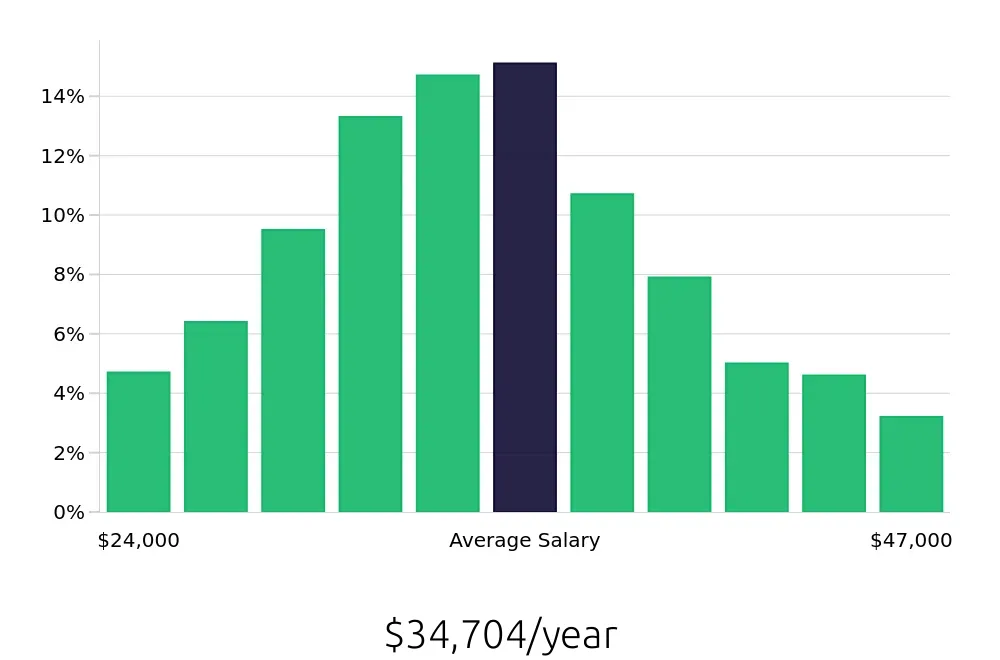
For prospective job seekers, the average national annual compensation for Dietary Cooks is $34,360, according to BLS data. This figure provides a clear benchmark for those interested in the financial aspects of this career. Additionally, the average hourly rate stands at $16.52, offering a glimpse into the daily earning potential of this profession. With these figures, job seekers can make informed decisions about pursuing a career as a Dietary Cook, balancing both personal interests and financial goals.
Embarking on a career as a Dietary Cook not only promises a stable job market but also the potential for personal and professional growth. With the BLS projecting a steady increase in job openings, aspiring cooks can look forward to a future with ample opportunities. Whether motivated by passion or financial considerations, the data provided by the BLS presents a solid foundation for those considering this rewarding career path.
Currently 748 Dietary Cook job openings, nationwide.
Continue to Salaries for Dietary Cook