What does a Educator do?
An Educator plays a crucial role in shaping the minds of future generations. They design lesson plans, deliver engaging instruction, and assess student progress. Educators use various teaching strategies to ensure that students understand the material and can apply it in real-life situations. They foster a positive learning environment that encourages curiosity and critical thinking.
Educators also collaborate with other teachers, administrators, and parents to support student success. They participate in professional development activities to stay current with educational best practices and trends. This role demands strong communication skills, patience, and a passion for helping students achieve their full potential. Educators can work in different settings, including elementary schools, middle schools, high schools, and colleges.
How to become a Educator?
Becoming an educator is a rewarding career path that allows you to shape young minds and contribute to society. The journey to becoming an educator involves a series of steps that require dedication and commitment. Follow these steps to embark on a successful career in education.
First, choose a teaching specialty. Decide what subject or age group you are passionate about teaching. This choice will guide the rest of your educational journey. Next, pursue a relevant degree. Most educators need at least a bachelor's degree in education or a related field. Consider earning a master's degree for higher-level positions and better pay.
- Earn a teaching degree.
- Complete a teacher preparation program.
- Obtain a teaching license.
- Gain classroom experience.
- Continue professional development.
After completing your degree, enroll in a teacher preparation program. This program provides practical teaching skills and classroom experience. Look for programs that offer student teaching opportunities. These experiences are crucial for understanding real classroom dynamics.
Next, apply for a teaching license. Licensing requirements vary by state, but generally involve passing exams and completing a background check. Ensure you meet all requirements in your state. Once licensed, seek teaching positions that match your specialty. Gaining classroom experience is essential for building confidence and teaching skills.
Lastly, continue professional development. Stay updated with the latest teaching methods and educational trends. Attend workshops, conferences, and online courses. This ongoing learning helps you improve as an educator and advance your career.
How long does it take to become a Educator?
Pursuing a career in education involves several steps. Most educators start with a bachelor's degree. This often takes about four years. Programs include coursework in the subject you wish to teach and education methods. Many states require student teaching, which lasts about a semester. After completing a bachelor's degree, educators can get a teaching license. This usually takes another year or two. Some may choose to continue their education with a master's degree. This adds another one to two years to the timeline.
The time frame can vary based on individual circumstances. Some opt for alternative routes, such as a teaching certificate program. These programs can take less time, often about a year. Educators may also need to pass certification exams. The exact timeline depends on the state's requirements and the individual's pace. Ongoing professional development is common. Educators continue to learn and improve their skills throughout their careers. This commitment to growth helps them stay effective in the classroom.
Educator Job Description Sample
We are seeking a dedicated and passionate Educator to join our team. The ideal candidate will have a strong commitment to student success and a passion for fostering an inclusive learning environment. The Educator will be responsible for designing and delivering engaging lesson plans, assessing student performance, and providing support and guidance to students.
Responsibilities:
- Develop and implement lesson plans that fulfill the requirements of the curriculum and school's academic goals.
- Create a classroom environment that is conducive to learning and allows students to achieve their full potential.
- Utilize a variety of educational techniques (e.g., differentiated instruction, formative assessments) to instruct students.
- Incorporate technology into lesson plans to enhance student engagement and learning.
- Communicate students' progress through grades, parent/teacher conferences, and other forms of communication.
Qualifications
- Bachelor’s degree in Education or related field required.
- State teaching certification or equivalent.
- Proven experience as an Educator or similar role.
- Strong knowledge of the relevant curriculum and educational best practices.
- Excellent communication and interpersonal skills.
Is becoming a Educator a good career path?
Educators play a crucial role in shaping the future of students. They teach students important knowledge and skills. The path to becoming an educator involves various steps. These include obtaining a degree, completing student teaching, and obtaining certification. Educators work in schools, colleges, and even in community programs. They can specialize in many subjects like math, science, or history.
Choosing a career as an educator has its own set of benefits and challenges. Here are some pros and cons to think about. Educators often enjoy a sense of fulfillment. They know they are making a difference in students' lives. They also have the summer break, which can be a big plus. The job provides opportunities for creativity and innovation in the classroom. However, educators often work long hours, including time spent preparing lessons and grading papers. The job can be stressful, especially during exams or parent-teacher conferences. Additionally, pay scales for educators can vary, and advancement opportunities may be limited in some areas.
What is the job outlook for a Educator?
Educators enjoy a promising job outlook in today's job market. The Bureau of Labor Statistics (BLS) reports an average of 80,500 job openings for educators annually. This steady demand ensures a wealth of opportunities for those entering the field. With a projected growth of 7.9% from 2022 to 2032, career prospects remain robust. Aspiring educators can look forward to a stable and growing job market.
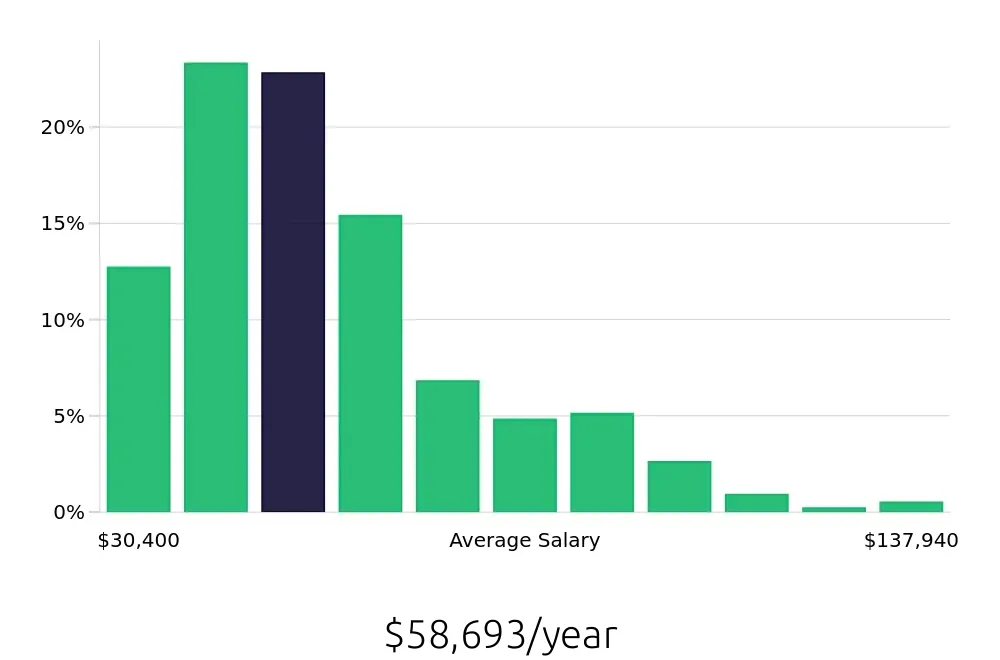
Educators can also expect a competitive salary. According to the BLS, the average national annual compensation for educators stands at $51,210. This figure reflects the value placed on their important work in shaping future generations. Additionally, hourly compensation averages $24.62, providing a solid income for a career in education. This compensation not only rewards educators but also encourages many to pursue and stay in this impactful profession.
The combination of a positive job outlook and competitive salaries makes education an attractive career choice. Job seekers looking for stability and growth should consider this field. The BLS data highlights a market that values educators and offers numerous opportunities for professional development and advancement. This promising outlook provides a clear path for those committed to making a difference in students' lives.
Currently 512 Educator job openings, nationwide.
Continue to Salaries for Educator