What does a Energy Consultant do?
An Energy Consultant plays a crucial role in helping organizations reduce their energy costs and improve efficiency. This professional conducts energy audits to identify areas where energy is wasted. They analyze data to find ways to save energy without sacrificing productivity. Energy Consultants recommend specific changes, such as new equipment or better management practices. They often work with engineers and other technical experts to ensure recommendations are practical and effective.
Energy Consultants also stay up to date with the latest technologies and regulations. They advise on the best energy-saving methods, considering both costs and environmental impact. They might suggest renewable energy options or help businesses implement energy-efficient systems. By reducing energy use, Energy Consultants help organizations save money and contribute to a healthier planet. Their work is essential for businesses looking to manage energy use more efficiently.
An Energy Consultant requires a mix of technical skills and analytical thinking. They need to understand how energy systems work and how to improve them. Effective communication is also vital, as consultants must explain their findings and recommendations clearly to clients. This role is ideal for someone who enjoys solving problems and working to create more sustainable energy use.
How to become a Energy Consultant?
Becoming an Energy Consultant involves a clear path towards a rewarding career. This profession focuses on helping businesses and homes use energy more efficiently. It can lead to significant savings and a positive impact on the environment.
An Energy Consultant works by analyzing energy use and suggesting improvements. They must understand energy systems and regulations. To start this journey, follow these steps:
- Get a Degree: Start with a bachelor’s degree in engineering, environmental science, or a related field. This education provides the foundation needed for understanding energy systems.
- Gain Experience: Look for internships or entry-level jobs in the energy sector. This experience helps build practical skills and industry knowledge.
- Obtain Certifications: Consider getting certifications such as Certified Energy Manager (CEM) or other relevant credentials. These credentials enhance credibility and knowledge.
- Develop Technical Skills: Learn to use energy analysis software and tools. These skills are crucial for evaluating energy use and proposing solutions.
- Network: Join professional organizations and attend industry conferences. Networking opens doors to job opportunities and keeps skills sharp.
By following these steps, an individual can successfully become an Energy Consultant. This career not only offers job satisfaction but also contributes to a sustainable future.
How long does it take to become a Energy Consultant?
Pursuing a career as an Energy Consultant offers promising opportunities for job seekers with the right skills. This path requires dedication and a clear understanding of the time commitment involved. Generally, it takes between two to four years to gain the necessary qualifications and experience.
Education plays a crucial role in this journey. Most Energy Consultants hold at least a bachelor's degree in fields such as engineering, environmental science, or business. This foundational education takes about four years to complete. During this time, students learn about energy systems, sustainability practices, and market trends. Internships or entry-level jobs in related fields provide valuable experience. They allow individuals to apply classroom knowledge in real-world settings. This practical experience enhances job readiness and builds a professional network. For those already in the workforce, specialized training or certification programs can shorten the timeline. These programs focus on specific areas like energy audits or renewable energy systems.
After gaining education and experience, consultants often start in junior roles. They work under experienced professionals to refine their skills. This period can last another one to two years. Over time, gaining certifications such as the Certified Energy Manager (CEM) credential can improve job prospects. These credentials show expertise and commitment to the field. Continuous learning and staying updated with industry trends ensure long-term success in this dynamic field.
Energy Consultant Job Description Sample
We are seeking an experienced Energy Consultant to join our team. The ideal candidate will have a deep understanding of energy systems, sustainability practices, and regulatory frameworks. This role involves providing expert advice on energy efficiency, renewable energy options, and cost-effective energy solutions for clients.
Responsibilities:
- Conduct energy audits and assessments for clients to identify areas of improvement in energy efficiency.
- Develop and implement energy management strategies and plans to reduce energy consumption and costs.
- Advise clients on renewable energy sources and technologies, such as solar, wind, and geothermal.
- Stay updated on the latest energy regulations, incentives, and technologies to ensure compliance and best practices.
- Prepare detailed reports, presentations, and documentation for clients outlining findings, recommendations, and implementation plans.
Qualifications
- Bachelor's degree in Engineering, Environmental Science, Business, or a related field. A Master's degree is preferred.
- Minimum of 5 years of experience in energy consulting, energy management, or a related field.
- Certified Energy Manager (CEM) or equivalent certification is highly desirable.
- Proven track record of conducting energy audits and developing effective energy management strategies.
- Strong understanding of energy systems, regulatory frameworks, and sustainability practices.
Is becoming a Energy Consultant a good career path?
Working as an Energy Consultant involves helping businesses and homeowners reduce their energy costs and environmental impact. Energy Consultants analyze energy usage and recommend improvements. This role requires knowledge of energy systems and regulations. The work often involves site visits and data analysis.
Energy Consultants enjoy a variety of tasks, from meeting with clients to conducting energy audits. This role offers the chance to make a real difference in energy efficiency. Companies and governments increasingly value sustainable practices. Professionals in this field can find jobs in many sectors, including construction, manufacturing, and utilities. Travel may be required for site visits and projects.
The career offers several pros and cons. Here are some to consider:
- Pros:
- Helps reduce energy costs for clients.
- Contributes to environmental sustainability.
- Opportunities to work in various industries.
- Job stability as energy efficiency becomes more important.
- Potential for travel and fieldwork.
- Cons:
- Can require long hours, especially during audits or projects.
- May involve travel and time away from home.
- Needs continuous learning to stay updated on regulations and technologies.
- Client demands can sometimes be challenging.
- Requires a mix of technical skills and interpersonal skills.
What is the job outlook for a Energy Consultant?
The outlook for Energy Consultants remains solid, with around 15,700 job positions available each year. This field offers steady opportunities for professionals who can navigate the energy sector's complexities. Despite a small projected decline in job openings, the demand for energy consultants continues to be strong due to a focus on sustainability and energy efficiency.
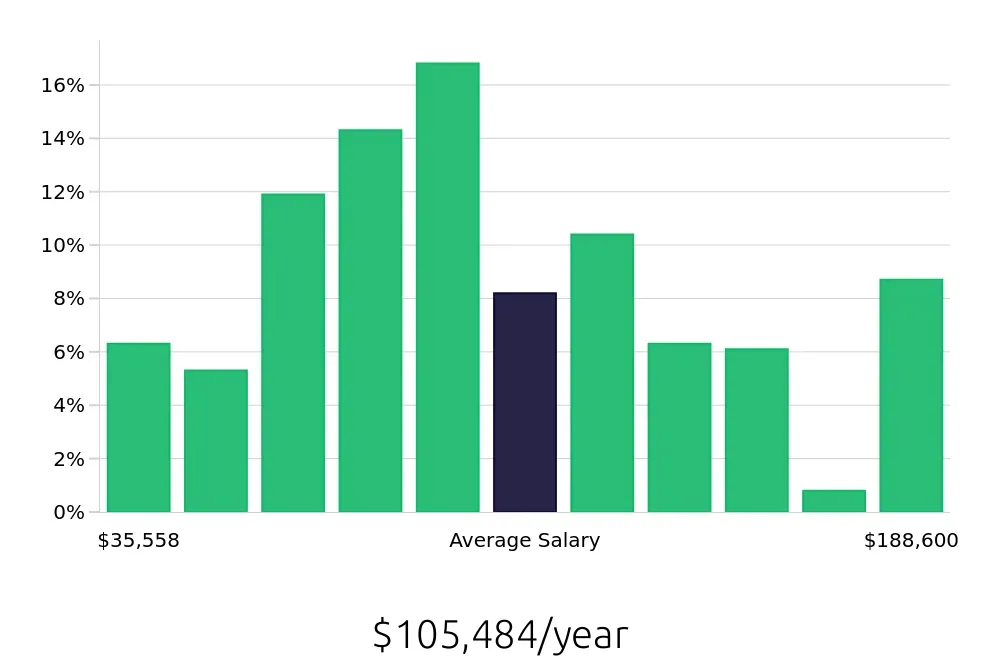
Energy consultants can expect a competitive average annual salary of $72,880 nationwide, according to the Bureau of Labor Statistics (BLS). This compensation reflects the specialized knowledge and skills required to advise organizations on energy use and conservation. Hourly wages average around $35.04, providing a reliable income for those in this career path.
Job seekers entering this field can anticipate a stable job market with ample opportunities. Although job openings are expected to decrease by 1.5% from 2022 to 2032, the sector's need for expertise in energy management and sustainability will sustain demand. The combination of steady job prospects and a respectable salary makes this a viable career choice for many professionals.
Currently 89 Energy Consultant job openings, nationwide.
Continue to Salaries for Energy Consultant