What does a Equipment Operator do?
An Equipment Operator is responsible for running various types of machinery used in construction, agriculture, and manufacturing. This role involves ensuring that equipment operates safely and efficiently. Equipment operators must understand and follow instructions for each piece of machinery. They must perform routine checks and maintenance to keep machines in good working condition. This job requires attention to detail and a commitment to safety.
The duties of an Equipment Operator may include starting, stopping, and maneuvering machinery. Operators must be skilled in interpreting gauges, signals, and sounds to ensure proper operation. They often work outdoors or in various environments, from construction sites to farms. Attention to detail is crucial to avoid accidents and ensure high productivity. Equipment operators also need to collaborate with other team members to complete tasks on time.
- Manages the operation of heavy machinery.
- Conducts regular maintenance and inspections.
- Ensures safety protocols are followed.
- Works closely with other team members.
- Reports any issues or malfunctions.
How to become a Equipment Operator?
Interested in becoming an equipment operator? This path can lead to a rewarding career. Companies need skilled operators to handle heavy machinery. Follow these steps to start your journey:
- Get a high school diploma or GED. Most employers require at least a high school education. This basic qualification shows a solid educational foundation.
- Gain relevant experience. Work in construction, manufacturing, or landscaping. Internships can be very helpful. Experience builds practical skills and makes your resume stronger.
- Complete a training program. Look for programs at community colleges or vocational schools. These courses teach the necessary skills and knowledge. They also prepare you for any certification exams.
- Obtain necessary certifications. Depending on the type of equipment, you may need specific licenses. For example, an operating engineer license or a forklift operator certification. Research what is needed in your area.
- Apply for jobs. Look for openings on job websites or company career pages. Tailor your resume to highlight relevant experience and training. Networking can also open doors to job opportunities.
Starting as an equipment operator can lead to many career paths. With dedication and the right qualifications, you can find a fulfilling job. This career offers good pay and opportunities for advancement.
How long does it take to become a Equipment Operator?
Equipment operators work with heavy machinery in various industries. The time to become one can differ based on several factors. Training programs, certifications, and work experience all play a role. Most programs take a few months to complete. Some may offer more advanced training that takes longer. It's important to choose a program that fits your goals and schedule.
Many training programs last between 4 and 12 weeks. These programs often include both classroom learning and hands-on practice. You will learn how to operate different types of machinery safely and efficiently. Some programs may offer additional training for specific types of equipment. This can take a few more weeks. Getting certified can also add time to the process. Most certifications require passing an exam after completing training. This ensures you have the necessary skills and knowledge to work safely. Real-world experience can further improve your skills and job prospects.
Equipment Operator Job Description Sample
We are seeking a skilled and experienced Equipment Operator to join our team. The Equipment Operator will be responsible for the operation, maintenance, and repair of various types of equipment used in our operations.
Responsibilities:
- Operate and maintain heavy machinery and equipment according to company policies and safety guidelines.
- Perform routine inspections and maintenance tasks to ensure equipment is in optimal working condition.
- Identify and report any equipment malfunctions or issues to the supervisor.
- Assist in the loading and unloading of materials and equipment.
- Ensure a clean and organized work area.
Qualifications
- High school diploma or equivalent required; technical training or certification in equipment operation preferred.
- Proven experience as an Equipment Operator or similar role.
- Knowledge of various types of equipment and their maintenance procedures.
- Strong understanding of safety protocols and regulations.
- Ability to read and interpret technical manuals and instructions.
Is becoming a Equipment Operator a good career path?
Working as an equipment operator offers a unique blend of technical skill and practical application. This role involves running machinery and tools to complete tasks in construction, mining, and other industries. Operators must understand machine functions and safety protocols. This career path demands a mix of manual dexterity and analytical skills. People in this field often enjoy hands-on work and the satisfaction of tangible results.
The role comes with its own set of benefits and challenges. On one hand, equipment operators can enjoy job stability and good earning potential. They often work in essential industries, making their skills highly valued. Many operators have opportunities for advancement, including roles in supervision or management. However, the job also has its downsides. Operators face physical demands and potential hazards on the job. The work can be strenuous and may require long hours, including nights and weekends. Operators must always stay alert and follow strict safety guidelines.
Here are some pros and cons to consider:
- Pros:
- Job stability in essential industries
- Good earning potential
- Opportunities for advancement
- Hands-on work with tangible results
- Cons:
- Physical demands and potential hazards
- Long hours, including nights and weekends
- Need for constant alertness and safety compliance
What is the job outlook for a Equipment Operator?
The job outlook for Equipment Operators shows a steady demand in the industry. The Bureau of Labor Statistics (BLS) reports an average of 600 job positions available each year. This steady pace offers opportunities for those entering the field. While there has been a slight decrease in job openings projected from 2022 to 2032, this does not signal a decline. Instead, it suggests a balanced and consistent hiring pattern, allowing for career growth and stability. Equipment Operators can look forward to a market that values skilled professionals.
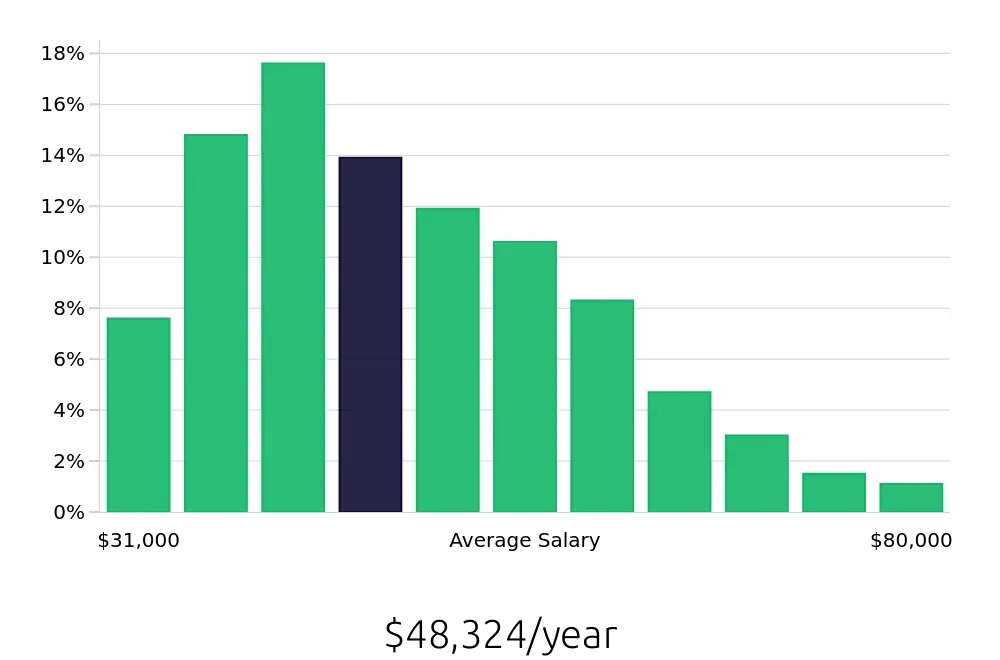
The average national annual compensation for Equipment Operators is $97,520, according to the BLS. This figure highlights the value placed on the skills and expertise of these professionals. Combined with an hourly compensation of $46.88, the earnings reflect a competitive salary. Job seekers can expect fair and rewarding pay, making this a lucrative career path. These figures indicate a strong economic incentive to pursue a career as an Equipment Operator.
Factors such as industry growth, technological advancements, and the need for specialized skills contribute to the positive job outlook. The demand for skilled Equipment Operators will continue as industries rely on these professionals. Job seekers who are trained and certified can find many opportunities in this sector. The BLS data supports a hopeful and promising future for those in this field.
Currently 1,881 Equipment Operator job openings, nationwide.
Continue to Salaries for Equipment Operator