What does a Farmer do?
A farmer grows crops and raises animals on a piece of land. This person spends time in the field working with the soil and plants. Farmers plant seeds in the ground and water them. They take care of the crops as they grow. Farmers also tend to animals, making sure they have food and water. They keep the barn clean and the animals healthy.
Farmers use tools and machinery to help with their work. They drive tractors and use plows. Some farmers grow fruits and vegetables. Others raise chickens, cows, or pigs. Farmers need to know about the weather and how it affects their crops. They plan for the best times to plant and harvest. Farming takes hard work and knowledge about nature. It also means being patient and watching things grow over time.
How to become a Farmer?
Becoming a farmer is a rewarding path that combines hard work with the satisfaction of nurturing life. This career choice offers a unique opportunity to connect with nature and provide food for communities. Here is a clear outline to guide someone through the process of becoming a successful farmer.
The journey to becoming a farmer involves several steps. Here is a simple guide to help navigate this path:
- Learn about farming: Start by understanding the basics of agriculture. Study different types of crops, farming techniques, and the equipment used. Visit local farms and talk to experienced farmers to gain insights.
- Choose a specialization: Decide what kind of farming interests you most. Options include livestock, horticulture, or agronomy. Each type has its own set of skills and knowledge.
- Get formal education: Consider enrolling in agricultural courses or programs. Many community colleges and universities offer degrees in agriculture. These courses provide valuable knowledge and practical skills.
- Gain experience: Work on farms to get hands-on experience. Internships and apprenticeships are great ways to learn the daily operations of a farm. This experience is crucial for understanding the practical side of farming.
- Start your own farm: With knowledge and experience, plan and start your own farm. Create a business plan, secure funding, and choose a location. Focus on sustainability and innovation to stay ahead in the industry.
How long does it take to become a Farmer?
The journey to becoming a farmer varies based on several factors. Most farmers begin by gaining experience through internships or entry-level jobs on farms. This hands-on work teaches them essential skills. Some farmers choose to pursue higher education in agriculture or related fields. A degree can lead to better job opportunities and more specialized roles. Farmers often start small, managing a single crop or a few animals. As they gain experience and knowledge, they might expand their operations.
The timeline to fully establish a farming career depends on individual goals and circumstances. Many start part-time while learning the ropes. Full-time farming can take several years to master. Successful farmers continuously update their skills and adapt to new technologies. This ongoing learning helps them improve their operations and stay competitive. For those passionate about agriculture, the time invested is a rewarding journey toward self-sufficiency and contributing to food production.
Farmer Job Description Sample
We are seeking a dedicated and experienced Farmer to join our agricultural team. The successful candidate will be responsible for overseeing the cultivation, maintenance, and harvesting of crops, as well as managing livestock and ensuring the overall health and productivity of our farm.
Responsibilities:
- Plan, organize, and supervise all farming operations, including planting, cultivating, and harvesting crops.
- Monitor and maintain soil health, crop growth, and pest control to ensure optimal yield.
- Manage livestock, including feeding, breeding, and healthcare, to maintain a healthy and productive herd.
- Operate and maintain farm machinery and equipment, ensuring it is in good working condition.
- Keep detailed records of crop yields, livestock health, and financial transactions.
Qualifications
- Minimum of 3-5 years of experience in farming or a related agricultural field.
- Strong knowledge of crop cultivation, livestock management, and agricultural best practices.
- Experience with modern farming techniques and technologies.
- Ability to work long hours in various weather conditions.
- Excellent problem-solving skills and attention to detail.
Is becoming a Farmer a good career path?
Farming offers a unique career where individuals connect closely with nature. This role involves growing crops or raising animals for food, fiber, and other products. Farmers work in a hands-on environment, often outdoors. This career path requires hard work and dedication. It provides the chance to be self-employed or to work for a larger agricultural business.
Choosing a career in farming has its own set of advantages and disadvantages. Understanding these can help someone decide if this path is right for them. Here are some pros and cons to consider:
- Pros:
- Independence: Many farmers can set their own schedules and make their own decisions.
- Connection to nature: Working directly with the land and animals can be fulfilling for those who love the outdoors.
- Potential for growth: With the right management, a farm can expand and become more profitable over time.
- Self-sufficiency: Producing food and resources can be rewarding and satisfying.
- Cons:
- Physical demands: Farming can be hard and physically demanding work.
- Financial risks: Weather and market changes can affect income.
- Long hours: The job often requires working early mornings and late evenings, especially during planting and harvesting seasons.
- Isolation: Many farms are located in rural areas, which can lead to feelings of isolation.
What is the job outlook for a Farmer?
Becoming a farmer offers a unique and rewarding career path. The Bureau of Labor Statistics (BLS) reports that there are approximately 88,800 job positions for farmers each year. While there is a projected decrease of 4.6% in job openings from 2022 to 2032, the demand for agricultural products remains steady. This means that the focus will shift towards more efficient and sustainable farming practices. For those entering the field, opportunities still exist and can lead to a fulfilling career.
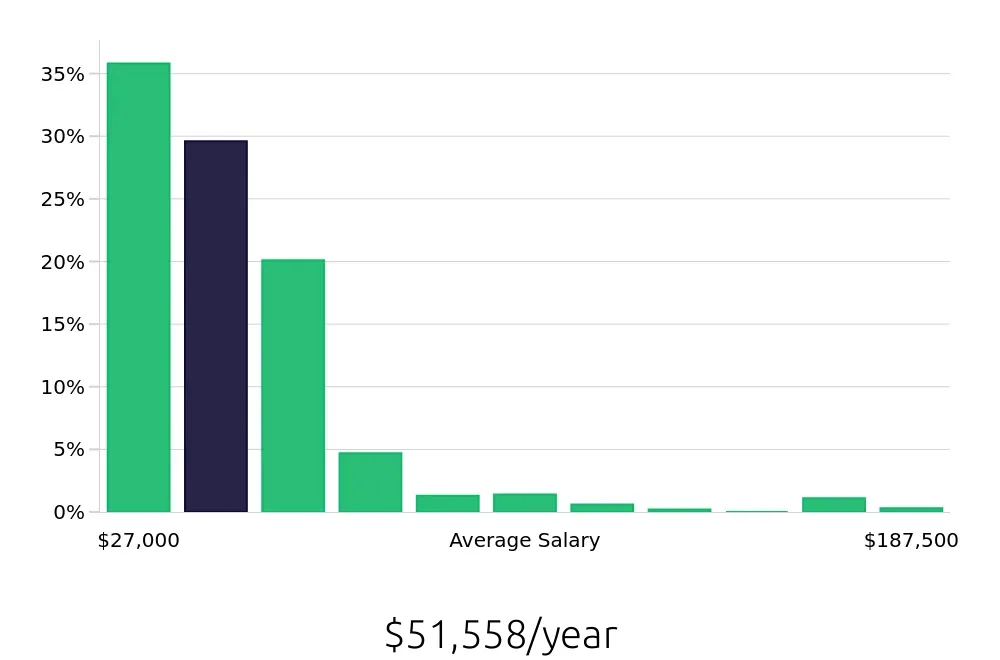
Farmers enjoy a strong average national annual compensation of $90,160, according to the BLS. This compensation reflects the skills, hard work, and dedication required in the profession. Farmers not only grow food but also manage resources, ensure sustainability, and adapt to changing market demands. The hourly compensation stands at $43.35, which is competitive in the agricultural sector. This financial stability makes farming an attractive choice for those looking for a dependable livelihood.
The farming industry continues to evolve with advancements in technology and sustainable practices. Farmers who embrace these changes can expect to have a stable and lucrative career. Opportunities for growth include specialized fields such as organic farming, agritech, and sustainable agriculture. For job seekers, the key lies in staying informed about industry trends and continuously updating their skills to meet the evolving demands of the market.
Currently 205 Farmer job openings, nationwide.
Continue to Salaries for Farmer