What does a Fleet Mechanic do?
A Fleet Mechanic works to keep a company's vehicles running smoothly. This person checks, repairs, and maintains all types of vehicles, from delivery trucks to passenger cars. They ensure that each vehicle is safe and ready for the road.
Responsibilities include diagnosing problems, performing routine maintenance, and making necessary repairs. Fleet Mechanics also keep detailed records of all work done. They may work on engines, brakes, and electrical systems. This role demands attention to detail and problem-solving skills. Fleet Mechanics must follow safety guidelines and manufacturer specifications to do their job effectively.
In this role, the Fleet Mechanic plays a crucial part in ensuring the company's vehicles are reliable and ready for use. This helps the company run smoothly and safely.
How to become a Fleet Mechanic?
Becoming a fleet mechanic can be a rewarding career path. This role involves maintaining and repairing the vehicles in a company's fleet. Fleet mechanics ensure that company vehicles run smoothly and safely. It requires technical skills, attention to detail, and a commitment to safety. Here are five steps to start a career as a fleet mechanic.
First, a person needs to obtain the right education. High school courses in math, science, and technology lay the groundwork. Many mechanics complete a vocational training program or an associate degree in automotive technology. These programs teach essential skills and knowledge needed for the job.
- Get educated: Complete high school and consider vocational training or an associate degree in automotive technology.
- Gain experience: Work under experienced mechanics through apprenticeships or internships. This hands-on experience is crucial.
- Obtain certifications: Earning certifications from organizations like the National Institute for Automotive Service Excellence (ASE) can boost job prospects.
- Stay updated: The automotive industry evolves quickly. Continuing education helps mechanics stay current with new technologies and techniques.
- Apply for jobs: Look for positions with companies that have large fleets, such as logistics firms, rental car companies, or public transportation agencies.
With dedication and the right steps, anyone can build a successful career as a fleet mechanic. This career offers the chance to work on a variety of vehicles, ensuring they are safe and reliable. It also provides opportunities for advancement and growth within the field.
How long does it take to become a Fleet Mechanic?
A career as a Fleet Mechanic offers a stable path with good earnings. This role involves maintaining and fixing vehicles for businesses. The time to enter this field depends on education and experience. Most start with a high school diploma and complete a vocational training program.
Training programs often take one to two years. During this time, students learn about engines, brakes, and electrical systems. Some programs offer hands-on experience with real vehicles. Many employers prefer or require a certification from the National Institute for Automotive Service Excellence (ASE). This certification can take extra time to earn but adds value to a mechanic’s resume. With the right education and certifications, one can enter the field in about two to four years.
Fleet Mechanic Job Description Sample
We are seeking a skilled Fleet Mechanic to maintain our company's vehicle fleet. The ideal candidate will be responsible for performing routine maintenance and repairs on our vehicles, ensuring they are safe and in good working condition.
Responsibilities:
- Perform routine maintenance and repairs on company vehicles.
- Diagnose mechanical issues and determine necessary repairs.
- Conduct safety inspections to ensure vehicles meet regulatory standards.
- Maintain detailed records of all maintenance and repair work performed.
- Order and stock necessary parts and supplies.
Qualifications
- High school diploma or equivalent required; vocational training or degree in automotive technology preferred.
- Minimum of 3 years of experience as a fleet mechanic or similar role.
- Certified Automotive Service Excellence (ASE) certification is a plus.
- Strong knowledge of automotive systems and repair techniques.
- Excellent problem-solving skills and attention to detail.
Is becoming a Fleet Mechanic a good career path?
A Fleet Mechanic works on vehicles for a company or business. They keep cars, trucks, and other vehicles running smoothly. They do repairs and regular maintenance. This job needs skills and knowledge about engines and vehicle parts. It can be a good career for someone who likes working with their hands and solving problems.
Working as a Fleet Mechanic has many benefits. It offers good job stability and pay. Companies need mechanics to keep their vehicles on the road. Some mechanics work indoors in a garage. This can be safer than working outside. Another benefit is the opportunity to learn new skills and technologies. Fleet mechanics often work with the latest tools and equipment.
However, there are some challenges to consider. The job can be physically demanding. Mechanics lift heavy parts and often bend or kneel. This can lead to injuries if not careful. The work can also be stressful, especially during busy times. Fleet mechanics must meet deadlines and keep vehicles running smoothly. Another downside is the need to stay updated with new technology. Mechanics must learn about new tools and methods.
Here are pros and cons to think about:
- Pros:
- Job stability and pay
- Opportunity to learn new skills
- Possibly work indoors in a garage
- Cons:
- Physically demanding work
- Risk of injury
- Stressful deadlines
- Need to stay updated with new technology
What is the job outlook for a Fleet Mechanic?
Becoming a Fleet Mechanic offers promising job prospects for those entering the field. The Bureau of Labor Statistics (BLS) reports that there are about 24,300 job positions available each year. This steady flow of job opportunities highlights the need for skilled professionals in the industry. Those looking to build a career in fleet maintenance will find ample chances to secure a position.
Job growth for Fleet Mechanics is also positive. The BLS projects a 0.9% change in job openings from 2022 to 2032. This modest but steady growth suggests a stable career path. Job seekers can expect to see a consistent demand for their skills over the next decade. This outlook is encouraging for those considering a long-term career in this profession.
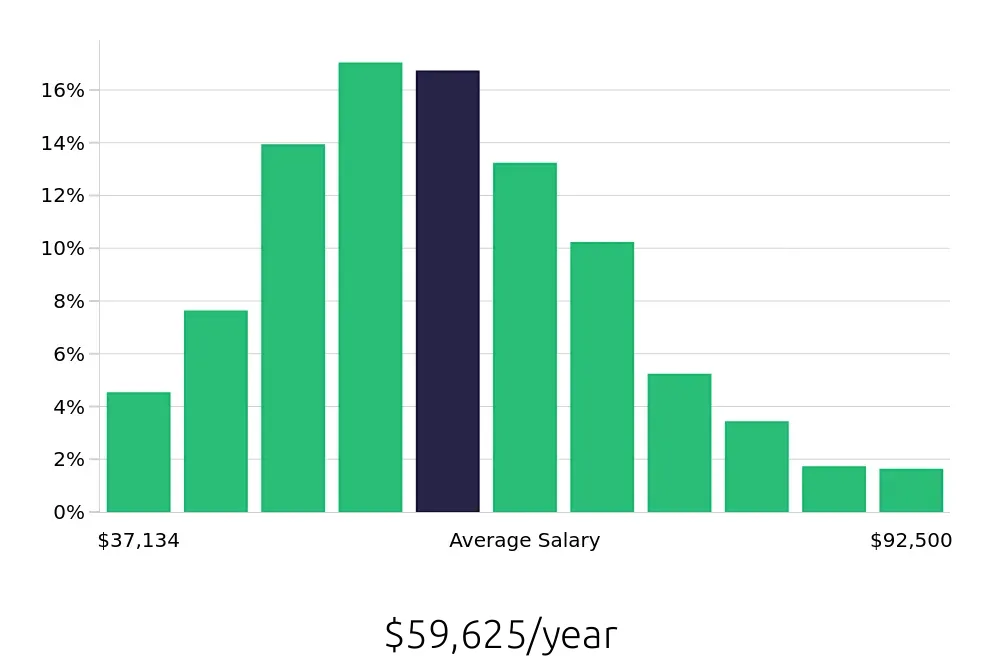
In terms of compensation, Fleet Mechanics can expect a competitive salary. The average national annual compensation stands at $59,920, according to the BLS. Hourly compensation averages $28.81. These figures reflect the value employers place on skilled mechanics. For those who take on this role, it promises not only job stability but also a rewarding financial package. This combination makes fleet mechanics a lucrative career choice.
Currently 833 Fleet Mechanic job openings, nationwide.
Continue to Salaries for Fleet Mechanic