Position
Overview

What does a Floor Tech do?

A Floor Tech plays a crucial role in maintaining clean and safe environments. This role involves sweeping, vacuuming, and mopping floors to ensure they look their best. Floor Techs often use specialized equipment to remove dirt and debris, ensuring a spotless and professional appearance. Attention to detail is key, as Floor Techs must identify and address any stains or damage to prevent accidents.

Floor Techs also work to restore the shine and durability of various floor surfaces. This may include applying wax, sealants, or other treatments to protect and enhance the floor's appearance. They often collaborate with other maintenance staff to ensure all areas meet the highest standards of cleanliness and safety. This role requires reliability and a commitment to maintaining a clean and safe environment for everyone who uses the space.

View Floor Tech jobs nearby

How to become a Floor Tech?

Becoming a Floor Technician involves several steps. This career is perfect for those who enjoy working on their feet and take pride in maintaining clean, safe, and visually appealing environments. Follow these steps to start your journey.

First, consider the necessary education and skills. Most employers prefer candidates with at least a high school diploma. Basic math skills and good physical condition are also important. Gaining experience in cleaning or maintenance can be beneficial. Next, search for job openings. Use online job boards, company websites, and local employment agencies. Tailor your resume to highlight relevant experience and skills. Follow each application with a polite follow-up email. Networking can also open doors to new opportunities. Talking to current Floor Technicians can provide valuable insights.

To stand out, consider getting certified. Many employers value certifications in cleaning and safety. These courses can be found at community colleges or online. Certifications show dedication and can increase your chances of getting hired. Once hired, focus on continuing education. Stay updated on the latest cleaning techniques and equipment. This can help you advance in your career. Working as a Floor Technician can lead to supervisory roles or specialty positions. Always be professional and committed to your work. With dedication, you can succeed in this rewarding career.

How long does it take to become a Floor Tech?

Floor Techs often complete training programs in a few weeks to several months. Some programs offer certifications that can be earned in a few days. On-the-job training may last from a few weeks to a few months. Experience and skills will help determine how quickly someone can advance in the field. The exact time depends on the program and the individual's pace. Many community colleges and trade schools offer courses that prepare students for this career. Some programs include hands-on practice, which can be very helpful. Working under experienced Floor Techs can also speed up the learning process. This practical experience often leads to faster competency and better job prospects.

A career as a Floor Tech offers a practical and rewarding path into the skilled trades. This role often requires a combination of on-the-job training and formal education. Generally, it takes about one to two years to gain the necessary skills and experience. A high school diploma or equivalent is typically the minimum requirement for entry-level positions. Many employers provide training programs that last several months, covering essential skills like sanding, staining, and installing flooring.

For those who want to advance or specialize, additional training may be necessary. Certifications from industry organizations can enhance a Floor Tech's resume and open up more job opportunities. Some Floor Techs choose to continue their education with courses in carpentry or construction management. These additional qualifications can help increase earning potential and career flexibility. The total time to become fully qualified can range from one year for basic roles to several years for specialized positions.

Floor Tech Job Description Sample

We are seeking a dedicated and skilled Floor Tech to join our team. The ideal candidate will be responsible for maintaining the cleanliness and appearance of our facility's floors, ensuring a safe and welcoming environment for our clients and staff.

Responsibilities:

  • Perform routine floor maintenance tasks such as sweeping, mopping, vacuuming, and polishing.
  • Clean and disinfect high-traffic areas, restrooms, and common spaces.
  • Repair and maintain floor surfaces to prevent damage and prolong the life of the flooring.
  • Perform floor inspections to identify any damage, wear, or needed repairs.
  • Use appropriate cleaning products and equipment following company policies and safety guidelines.

Qualifications

  • High school diploma or equivalent required.
  • Previous experience in floor maintenance or related field preferred.
  • Ability to use various floor cleaning tools and equipment.
  • Strong attention to detail and commitment to quality work.
  • Good physical stamina and ability to perform repetitive tasks.

Is becoming a Floor Tech a good career path?

A Floor Tech works to clean and maintain floors in commercial and industrial settings. This job includes tasks like vacuuming, sweeping, mopping, and sometimes sanding or refinishing. Floor Techs often work for facilities management companies or in corporate offices. They may also work in schools, hospitals, or retail spaces.

Being a Floor Tech comes with its own set of benefits and challenges. Consider these factors before taking this career path:

  • Pros:
    • Physical activity that keeps you on your feet.
    • Opportunities to work in various environments.
    • Potential for steady employment in many areas.
  • Cons:
    • Physical demands can lead to fatigue or injury.
    • Long hours standing can be tiring.
    • Limited opportunities for advancement without additional training or education.

Floor Techs often enjoy the satisfaction of creating a clean and safe space. They might also appreciate the flexibility of part-time or seasonal work. However, the physical nature of the job and the potential for repetitive strain injuries are significant concerns. The career may not offer many opportunities to move up without more training or education. This means Floor Techs often need to look for new jobs or additional roles to grow in their careers.

What is the job outlook for a Floor Tech?

Floor Technicians enjoy a positive job outlook in the coming years. The Bureau of Labor Statistics (BLS) predicts 9,800 new positions each year. This steady demand makes floor tech an attractive career choice. Job openings are expected to increase by 2.9% from 2022 to 2032, showing a positive trend. With consistent job growth, those in this field can look forward to stable employment opportunities.

Floor Technicians benefit from a competitive average annual salary. The BLS reports an average of $54,190 nationally. Hourly rates also stand at a solid $26.05. These figures reflect the value of the skills and hard work floor techs bring to their jobs. With experience, professionals can expect even higher earnings. This compensation makes floor tech a financially rewarding career path.

The floor tech industry offers a blend of job stability and good pay. With around 9,800 new job positions expected each year, the career path is robust. The 2.9% growth in job openings suggests a promising future. Combined with an average annual salary of $54,190, this job offers both security and good financial rewards. It is an excellent option for job seekers looking for stability and decent pay.

Currently 1,144 Floor Tech job openings, nationwide.

Continue to Salaries for Floor Tech

Learn about Floor Tech salaries, top-paying cities, and hiring companies. See how much you could earn!
Position
Salary
Salaries For Floor Tech
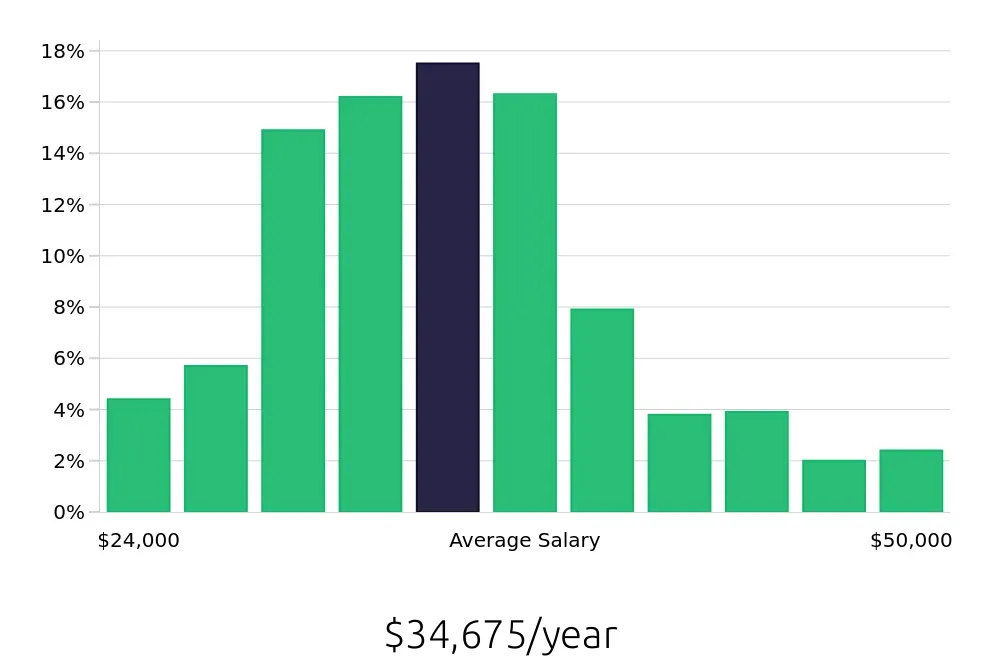
Averge salary $34,405 per year
Graph depicting the yearly salary distribution for Floor Tech positions, showing an average salary of $34,405 with varying distribution percentages across salary ranges.