What does a HVAC Maintenance Technician do?
An HVAC Maintenance Technician ensures that heating, ventilation, and air conditioning systems run smoothly. This professional installs, maintains, and repairs these systems. They check for leaks, adjust temperatures, and test system components. This role ensures comfort and safety in residential and commercial buildings. HVAC Maintenance Technicians handle both routine check-ups and emergency repairs.
The responsibilities of an HVAC Maintenance Technician include diagnosing problems, conducting repairs, and performing regular maintenance. They use various tools and equipment to test system functionality. This technician also needs to understand blueprints and technical manuals. Strong problem-solving skills and attention to detail are essential. They often work in diverse environments, including homes, offices, and industrial settings.
How to become a HVAC Maintenance Technician?
Becoming an HVAC Maintenance Technician can lead to a rewarding career in a growing field. This profession involves ensuring that heating, ventilation, and air conditioning systems work efficiently. Follow these steps to start your journey in HVAC maintenance.
First, earn a high school diploma or GED. This is a basic requirement. Next, consider taking relevant courses in high school or at a vocational school. These courses can provide a good foundation. After completing high school, get formal training. This can be through an associate degree program or apprenticeship. Both options offer hands-on experience and theoretical knowledge.
- Complete a training program: Look for programs accredited by organizations like the Air Conditioning Contractors of America (ACCA).
- Gain practical experience: Apprenticeships provide on-the-job training. This is a great way to learn from experienced professionals.
- Obtain necessary certifications: After training, get licensed. Most states require HVAC technicians to be licensed. Also, consider earning certifications from the Environmental Protection Agency (EPA) for handling refrigerants.
- Stay updated with technology: HVAC technology changes quickly. Attend workshops and training sessions to keep skills current.
- Build a professional network: Connect with other HVAC professionals. Networking can lead to job opportunities and career growth.
How long does it take to become a HVAC Maintenance Technician?
Getting started in the HVAC industry offers many career paths. One common choice is becoming an HVAC Maintenance Technician. This role involves checking, fixing, and maintaining heating, ventilation, and air conditioning systems. Most programs to start this career take a few months to two years. Some technicians also need to pass exams to get certified.
Training programs vary by location and institution. Many community colleges and trade schools offer certificate programs. These can take around one year. Some programs offer more in-depth education, taking up to two years. After completing a program, some technicians choose to get further certifications. This can help improve job prospects and earnings. Companies often value certified technicians more because they have proven their skills.
HVAC Maintenance Technician Job Description Sample
We are seeking a skilled HVAC Maintenance Technician to join our team. The ideal candidate will be responsible for the maintenance, repair, and installation of HVAC systems in residential and commercial settings. This position requires a strong understanding of heating, ventilation, and air conditioning systems and the ability to troubleshoot and resolve issues efficiently.
Responsibilities:
- Perform routine maintenance on HVAC systems to ensure optimal performance.
- Diagnose and repair HVAC issues, including heating and cooling systems.
- Install new HVAC systems and perform necessary upgrades.
- Conduct inspections and tests on HVAC systems to identify potential problems.
- Maintain detailed records of maintenance activities and repairs.
Qualifications
- High school diploma or equivalent required; vocational training or associate’s degree in HVAC/R preferred.
- Certified HVAC technician preferred (NATE or similar certification).
- Minimum of 2-3 years of experience in HVAC maintenance and repair.
- Strong understanding of HVAC systems, including heating, cooling, and ventilation.
- Ability to read and interpret blueprints, technical manuals, and schematics.
Is becoming a HVAC Maintenance Technician a good career path?
The role of a HVAC Maintenance Technician involves ensuring that heating, ventilation, and air conditioning systems run smoothly. This career path requires specialized knowledge of these systems. Technicians often work in various settings, including residential homes, commercial buildings, and industrial plants. They diagnose issues, perform repairs, and maintain equipment to ensure optimal performance and energy efficiency.
Working as a HVAC Maintenance Technician offers both challenges and rewards. This career path provides a stable job with the potential for career growth. Technicians can advance to supervisory roles or specialize in more complex systems. Regular on-the-job training keeps the work interesting and skills sharp. However, this job involves physical labor and can be demanding, often requiring long hours and working in uncomfortable conditions.
When considering this career, professionals should weigh the pros and cons. Here are some factors to think about:
- Pros:
- Opportunity for job stability and growth
- On-the-job training and learning new skills
- Variety of work settings and environments
- Cons:
- Physical demands and potential for injury
- Irregular hours, including evenings and weekends
- Exposure to harsh weather conditions
What is the job outlook for a HVAC Maintenance Technician?
HVAC Maintenance Technicians have a bright job outlook ahead. The Bureau of Labor Statistics (BLS) reports an average of 37,700 job positions available each year. This steady demand indicates a solid career path for those entering the field. With a projected 5.5% increase in job openings from 2022 to 2032, the industry is expected to grow. Job seekers can look forward to many opportunities in this sector.
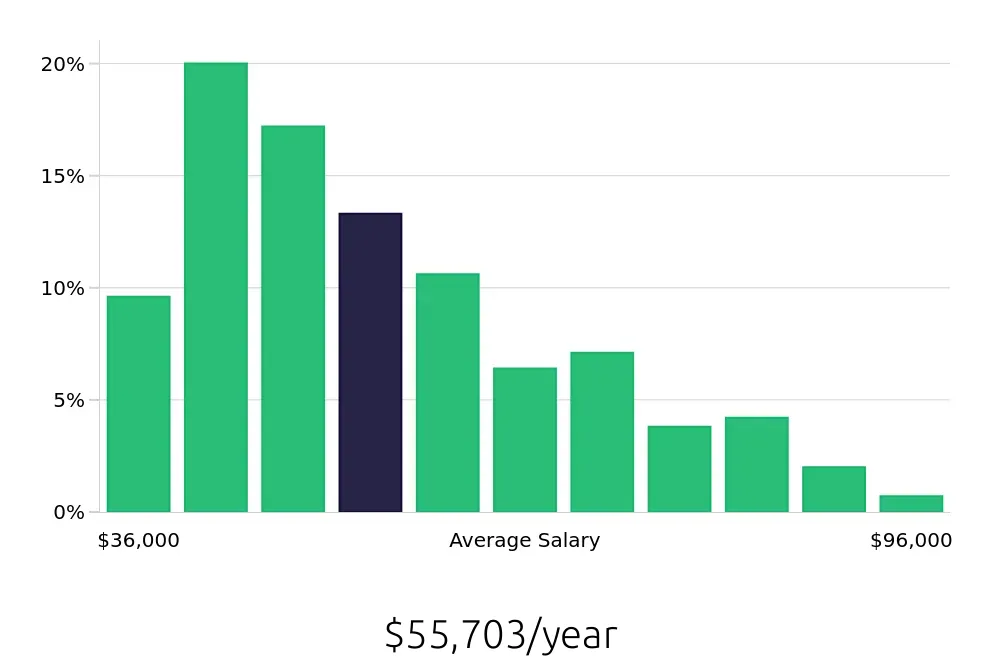
The compensation for HVAC Maintenance Technicians is quite appealing. On average, professionals in this field earn $59,620 annually. Hourly compensation stands at $28.66, which reflects the value of skills and experience. This attractive pay scale makes the role both rewarding and financially viable. Those who enter the field can anticipate stable earnings and potential for growth.
For job seekers aiming to enter this promising field, HVAC Maintenance Technician offers a combination of steady demand and competitive pay. The growing need for skilled professionals ensures that there will be ample job opportunities. With the potential for a good salary and job security, this career is a solid choice for many looking to start or switch careers.
Currently 275 HVAC Maintenance Technician job openings, nationwide.
Continue to Salaries for HVAC Maintenance Technician