What does a In Home Caregiver do?
An In Home Caregiver provides essential care and support to individuals who need assistance due to age, disability, or illness. This role involves helping with daily activities, ensuring safety, and offering companionship. Caregivers prepare meals, help with personal hygiene, and sometimes administer medication. They also monitor health conditions and report any changes to healthcare providers.
In Home Caregivers often work closely with families to understand the needs of their loved ones. They create personalized care plans and make adjustments as necessary. Caregivers must be compassionate, reliable, and patient. They need to communicate effectively and be able to handle emergencies calmly. This role is vital for improving the quality of life for those who require assistance at home.
How to become a In Home Caregiver?
Becoming an In Home Caregiver is a rewarding career path. It allows one to make a difference in people’s lives while working in a personal setting. This role requires compassion, reliability, and specific skills. Here is an outline for those interested in this profession.
To start, one needs to understand what the job entails. In Home Caregivers provide assistance to people who need help with daily activities. This can include the elderly, those with disabilities, or people recovering from illness or surgery. The work varies from helping with meals and personal hygiene to administering medication and providing companionship. It is a job that combines care with a sense of personal connection.
- Educational Requirements: Obtain a high school diploma or GED. Some positions may require additional education or certifications.
- Skills Development: Learn necessary skills such as first aid, CPR, and basic medical knowledge. Many employers offer training.
- Experience: Gain experience through volunteering, part-time jobs, or internships in healthcare settings.
- Certification: Consider obtaining certifications to improve job prospects. Certifications can include Home Health Aide (HHA) or Certified Nursing Assistant (CNA).
- Job Search: Look for job openings through online job boards, staffing agencies, and community centers. Prepare a professional resume and cover letter.
How long does it take to become a In Home Caregiver?
Interest in becoming an in-home caregiver grows each year. This rewarding role offers flexibility and the chance to make a real difference in someone's life. The time it takes to start working as a caregiver varies. It depends on the training and certifications needed.
First, consider the education requirements. Most in-home caregivers need at least a high school diploma or GED. Some employers may prefer a post-secondary certificate or degree in nursing or a related field. Many states require additional training, such as a Certified Nursing Assistant (CNA) certificate. This often takes about 4 to 12 weeks to complete. Some states may require additional training or certification in first aid and CPR. This process can take a few weeks to a month. Once trained and certified, job seekers can then start looking for employment opportunities. This may involve applying to agencies or directly to individuals and families. Background checks and interviews follow, and then the caregiver can start working.
In Home Caregiver Job Description Sample
Responsible for providing personalized care to individuals within their homes, ensuring their health, safety, and well-being.
Responsibilities:
- Provide personal care such as bathing, dressing, and grooming
- Assist with daily activities like meal preparation, light housekeeping, and laundry
- Accompany clients to medical appointments, run errands, and provide transportation as needed
- Administer medication and monitor vital signs as prescribed by healthcare professionals
- Engage clients in social and recreational activities to promote mental and emotional well-being
Qualifications
- Valid driver's license and reliable transportation
- CPR and First Aid certification preferred
- Prior experience in caregiving or a related field is preferred but not required
- Excellent communication and interpersonal skills
- Ability to follow instructions and work independently
Is becoming a In Home Caregiver a good career path?
Being an in-home caregiver offers a unique blend of responsibilities and rewards. This role involves providing personal care and assistance to individuals in their homes. It includes tasks like helping with daily activities, administering medication, and offering companionship. Caregivers often work with elderly individuals, people with disabilities, or those recovering from illness or surgery. The job can be deeply fulfilling, knowing you are helping others live more comfortably.
Consider these factors before pursuing a career as an in-home caregiver. On the positive side, the job often offers flexible hours and the chance to build strong, personal relationships. Caregivers can work with clients for long periods, which can create a stable and rewarding career. The role allows for a more personalized work environment, as caregivers work in clients' homes. However, there are challenges to consider. Caregivers must be prepared for physically and emotionally demanding situations. The job can be isolating, as work often takes place in private homes. Additionally, caregivers may face irregular hours and the need to respond to emergencies at any time.
Here are some pros and cons to think about:
- Pros:
- Flexible hours
- Personal relationships
- Stable and rewarding career
- Personalized work environment
- Cons:
- Physically and emotionally demanding
- Potential isolation
- Irregular hours
- Need to respond to emergencies
What is the job outlook for a In Home Caregiver?
The job outlook for in-home caregivers is strong and promising for job seekers. According to the Bureau of Labor Statistics (BLS), there are 684,600 average job positions per year in this field. The job openings are expected to grow by 21.7% from 2022 to 2032. This growth indicates a high demand for caregivers, especially as the population ages. Job seekers looking for stability and opportunities can find many openings in this sector.
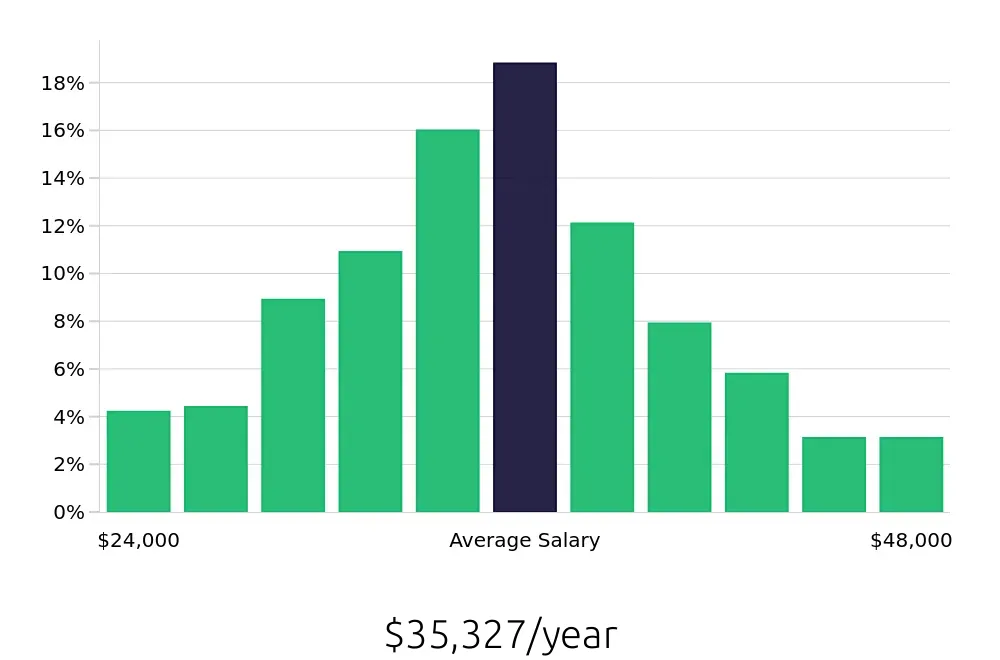
In-home caregivers earn an average national annual compensation of $33,380, as reported by the BLS. Hourly compensation averages around $16.05. While this may not be the highest-paying job in all sectors, it offers a steady income with benefits. The compensation is competitive for those who value job security and work-life balance. These figures reflect the value society places on caregiving roles and the growing recognition of their importance.
For job seekers, entering the field of in-home caregiving means joining a profession with clear growth and demand. This career path provides a chance to make a meaningful impact while securing a stable job. With the BLS forecasting a 21.7% increase in job openings, this is an ideal time for individuals to start or further their careers in caregiving.
Currently 4,444 In Home Caregiver job openings, nationwide.
Continue to Salaries for In Home Caregiver