What does a Independent Contractor do?
An Independent Contractor works on a freelance basis, providing services to clients without being part of a traditional company. This role offers flexibility and the ability to choose projects. Contractors often have a range of responsibilities, including meeting with clients, managing their own time, and delivering high-quality work. They must ensure they meet deadlines and maintain a professional relationship with their clients.
Independent Contractors need to have strong organizational skills. They manage their workload and ensure they meet all project requirements. Effective communication is also important. Contractors must regularly update clients on project progress and seek feedback. Additionally, they often need to handle their own taxes and business expenses, making financial management a key part of the role. This position suits individuals who prefer to work independently and have a strong sense of self-motivation.
To succeed as an Independent Contractor, one must have a clear understanding of the services they provide. This includes knowing how to market their skills and attract clients. Contractors often need to network and build relationships with potential clients. They should be comfortable using various tools and platforms to manage their work and communicate effectively. This role offers the chance to build a diverse portfolio and work with different clients over time.
How to become a Independent Contractor?
Becoming an independent contractor can open many doors in today's job market. This flexible work style allows professionals to manage their own schedules and projects. It requires careful planning and execution. Follow these steps to start your journey as an independent contractor.
First, identify a skill or service you can offer. Look for what employers need and how you can meet those needs. This could be anything from writing and editing to web design and programming. Research the market to understand demand and competition.
- Choose a Field: Select an area where you have expertise or can gain expertise.
- Market Research: Analyze the market to find out what services are in demand and how much they are worth.
- Create a Business Plan: Outline your business goals and strategies. Include your budget and marketing plan.
- Register Your Business: Register with your local government. This may require a business license.
- Set Up Finances: Open a business bank account. Use accounting software to track income and expenses.
After these steps, start marketing your services. Use social media, professional networks, and online job boards. Network with potential clients and other professionals. Building a strong reputation will help secure long-term work. By following these steps, professionals can successfully transition into the world of independent contracting.
How long does it take to become a Independent Contractor?
The path to becoming an independent contractor varies. Some people take months to get ready. Others take years. The journey depends on many factors. These factors include your skills, experience, and the industry you choose.
Most contractors gain experience through jobs or internships. This builds their skills and network. Some people learn by taking courses. Online classes, workshops, and certifications can help. Building a portfolio shows your skills to potential clients. This takes time but pays off. It helps contractors find steady work and grow their business.
Setting up a business takes extra steps. Contractors need to register their business and get any licenses. They must also set up a website and social media. This helps them reach more clients. Networking with others in the industry can lead to new opportunities. It can take time to see results. But with effort, contractors can build a successful business.
Independent Contractor Job Description Sample
We are seeking a highly skilled and self-motivated Independent Contractor to join our team on a project basis. The contractor will be responsible for completing tasks and projects within specified timeframes while maintaining the highest quality of work.
Responsibilities:
- Complete tasks and projects as assigned within specified deadlines.
- Work independently with minimal supervision while meeting quality and productivity standards.
- Communicate effectively with team members and project managers to ensure alignment and timely updates.
- Utilize problem-solving skills to address challenges and provide innovative solutions.
- Manage time effectively to ensure timely delivery of high-quality work.
Qualifications
- Proven experience as an independent contractor or similar role.
- Strong understanding of project management principles and methodologies.
- Excellent organizational and time-management skills.
- Ability to work independently and meet deadlines without direct oversight.
- Strong communication and interpersonal skills.
Is becoming a Independent Contractor a good career path?
Working as an Independent Contractor can offer unique benefits and challenges. This path allows professionals to enjoy flexibility in their schedules and the chance to work on varied projects. Contractors can choose which projects to take on, giving them the ability to balance their workload as they see fit. This freedom can lead to a more satisfying work-life balance.
However, it is important to consider the downsides. Independent Contractors must handle their own administrative tasks, such as invoicing and taxes, which can be time-consuming. They also miss out on benefits that full-time employees typically receive, such as health insurance and retirement plans. Balancing these pros and cons can help individuals decide if this career path is right for them.
Here are some pros and cons to think about:
- Pros:
- Flexibility in choosing projects
- Ability to set your own schedule
- Potential for higher earnings
- Cons:
- No benefits like health insurance or retirement plans
- Responsibility for all administrative tasks
- Income can be unpredictable
What is the job outlook for a Independent Contractor?
Job opportunities for independent contractors continue to grow steadily, with an average of 66,600 positions opening each year. This trend offers promising prospects for those seeking flexible work arrangements. The expected 2.5% increase in job openings from 2022 to 2032 highlights the stability and demand in this career path. This growth indicates a solid future for independent contractors.
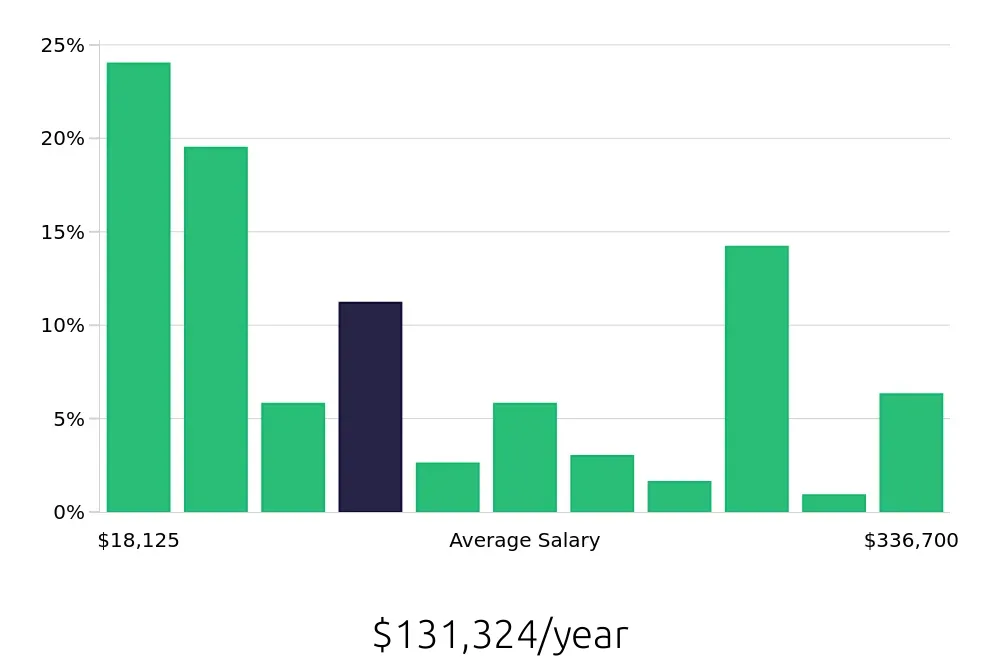
The average national annual compensation for independent contractors stands at $81,340, showcasing a competitive pay scale. Hourly compensation averages $39.11, reflecting the value placed on their expertise and services. This attractive financial outlook makes independent contracting an appealing choice for many skilled professionals.
Independent contractors enjoy the freedom of choosing their projects and clients, allowing for a tailored work experience. This flexibility often leads to a better work-life balance, making it a popular option for those looking to balance personal and professional responsibilities. The combination of steady job growth, competitive pay, and flexibility makes independent contracting a strong career choice.
Currently 1,576 Independent Contractor job openings, nationwide.
Continue to Salaries for Independent Contractor