What does a Interior Designer do?
An Interior Designer focuses on creating beautiful and functional spaces. This professional combines art and design to improve the inside of homes, offices, and other buildings. They think about the look, feel, and practicality of each room. This role demands creativity and a strong sense of aesthetics. Interior Designers work closely with clients to understand their needs and preferences.
The tasks of an Interior Designer include selecting colors, materials, and furniture. They also plan the layout of the space. This job involves a lot of detail and attention to trends. Interior Designers often work with architects and contractors to make sure their designs come to life. They must balance the client’s desires with budget and safety rules. Their goal is to make spaces that are not only visually appealing but also comfortable and useful for daily activities.
How to become a Interior Designer?
Becoming an interior designer can lead to a fulfilling career in creating beautiful and functional spaces. This profession combines creativity and technical skills to enhance the look and feel of indoor environments. To start this journey, one should follow a structured process that includes education, experience, and certification.
Here are five essential steps to become an interior designer:
- Pursue formal education. Begin with a high school diploma or GED. Then, attend a college or design school to earn a degree in interior design. This education provides the foundational knowledge and skills needed.
- Gain practical experience. Look for internships or entry-level jobs in design firms. This hands-on experience helps you apply what you’ve learned in real-world situations. It also helps you build a portfolio of your work.
- Build a portfolio. Create a portfolio showcasing your best work. Include sketches, 3D models, and photos of completed projects. A strong portfolio is crucial for job applications and client pitches.
- Obtain necessary licenses. Some regions require interior designers to be licensed. Check the local regulations and apply for any needed certifications. This step ensures you can legally practice your profession.
- Stay current with trends. The design industry constantly evolves. Attend workshops, seminars, and trade shows. Follow industry publications and online resources to stay informed about the latest trends and techniques.
How long does it take to become a Interior Designer?
Pursuing a career in interior design combines creativity and technical skills. Most paths to becoming an interior designer require some formal education and experience. Often, the journey takes several years. A typical path includes earning a degree, gaining experience, and sometimes obtaining a license.
Most people start with a bachelor’s degree in interior design or a related field. This education usually takes four years. During this time, students learn design principles, software skills, and construction methods. After college, many designers spend a few years working under experienced professionals. This work helps build practical skills and a portfolio. Some states require a license, which may need additional education or exams. This process can take one to three years. With the right education, experience, and licensing, a career in interior design becomes possible.
Interior Designer Job Description Sample
We are seeking a creative and detail-oriented Interior Designer to join our team. The ideal candidate will be responsible for designing and improving interior spaces to enhance aesthetics, comfort, and functionality. This role requires a blend of artistic talent and practical problem-solving skills.
Responsibilities:
- Develop and present design concepts, including mood boards, sketches, and 3D renderings.
- Collaborate with clients to understand their needs, preferences, and budget constraints.
- Select materials, finishes, and furnishings that align with project goals and budget.
- Prepare detailed project plans, including timelines, specifications, and cost estimates.
- Oversee the installation process to ensure designs are executed accurately.
Qualifications
- Bachelor’s degree in Interior Design, Architecture, or a related field.
- Proven experience as an Interior Designer or similar role.
- Proficiency in design software (e.g., AutoCAD, SketchUp, Adobe Creative Suite).
- Strong communication and interpersonal skills.
- Ability to manage multiple projects simultaneously.
Is becoming a Interior Designer a good career path?
Working as an interior designer means shaping spaces to meet people's needs. This role involves designing spaces for homes, offices, or public buildings. Interior designers think about both the look and the function of a space. They consider how people will use a room and what makes it feel comfortable. This job often involves working with architects and contractors to bring a design to life.
Becoming an interior designer offers many rewards. This job lets people express their creativity. Designers enjoy transforming blank spaces into functional and beautiful areas. Collaboration with clients and other professionals adds variety to the work. The job can lead to many different projects. However, interior designers should be aware of some challenges. This job can be very demanding. Long hours and tight deadlines are common. Stress can come from meeting clients' needs and sticking to budgets. Finding new clients and managing a business can add to the workload.
Consider these pros and cons before choosing this path.
- Pros:
- Creative freedom to design unique spaces.
- Opportunity to work on diverse projects.
- Potential for job variety and personal fulfillment.
- Cons:
- Potential for long hours and tight deadlines.
- Stress from client expectations and budget constraints.
- Challenges in finding and managing clients.
What is the job outlook for a Interior Designer?
The job outlook for interior designers is positive, with an average of 67,100 job positions expected each year. This trend is supported by a projected job opening percent change of 1.6% from 2022 to 2032, according to the Bureau of Labor Statistics (BLS). This steady growth highlights a consistent demand for skilled professionals in the interior design industry.
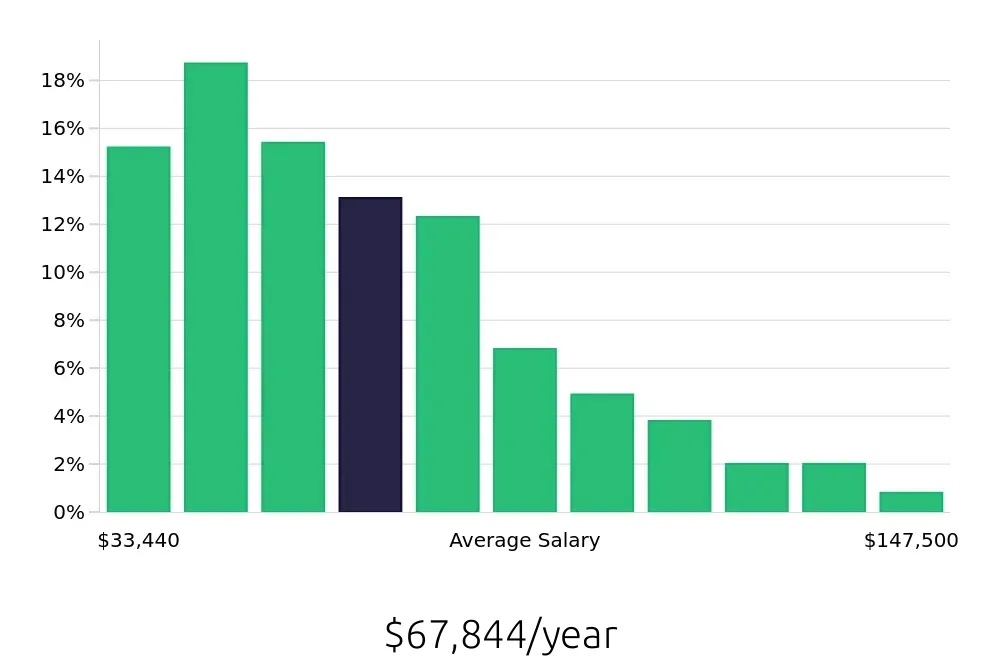
Interior designers can expect a competitive salary as they enter this field. The BLS reports an average national annual compensation of $57,320. This figure reflects the skill, experience, and creativity that designers bring to their roles. Additionally, the average national hourly compensation stands at $27.56, offering a clear snapshot of what professionals can earn in this industry.
Overall, the interior design field presents a promising career path for job seekers. With a blend of steady job growth and a solid compensation package, becoming an interior designer can be both professionally and financially rewarding. This profession continues to offer opportunities for those who wish to combine their creative talents with practical business skills.
Currently 639 Interior Designer job openings, nationwide.
Continue to Salaries for Interior Designer