What does a Interpreter do?
An interpreter plays a vital role in bridging communication gaps between people who speak different languages. This professional works in various settings, including courts, hospitals, schools, and international conferences. The interpreter's main task is to accurately convey spoken words from one language to another in real-time. They ensure that messages are clearly understood and preserve the intended meaning and emotions.
Interpreters must be highly skilled in both their native language and the target language. They need excellent listening and speaking skills, along with a deep understanding of cultural nuances. This job often involves consecutive interpreting, where the interpreter listens and then translates immediately, or simultaneous interpreting, where they translate while the speaker continues. Interpreters must maintain confidentiality and impartiality, ensuring that their translations do not reflect personal opinions. This role requires strong attention to detail and the ability to think quickly under pressure.
How to become a Interpreter?
Becoming an interpreter is a rewarding career choice. It allows individuals to bridge language gaps and facilitate communication between people who speak different languages. The path to becoming an interpreter includes several key steps that require dedication and practice. Understanding the process can help job seekers prepare effectively for this profession.
Firstly, it is essential to have a strong command of at least two languages. This means being fluent in reading, writing, and speaking both languages. Next, obtaining formal education in interpreting is crucial. Most interpreters hold a bachelor's degree in translation, linguistics, or a related field. Gaining experience through internships or volunteer work also helps in building a solid foundation. Certification from recognized organizations further enhances credibility. Finally, continual learning and skill development are key to staying competitive in the field.
Here are the five steps to becoming an interpreter:
- Learn multiple languages fluently.
- Earn a bachelor's degree in a relevant field.
- Gain experience through internships or volunteer work.
- Get certified by a recognized organization.
- Continuously improve skills and knowledge.
How long does it take to become a Interpreter?
Interpreters play a key role in communication between people who speak different languages. They work in many places, such as hospitals, schools, and business offices. The time it takes to become an interpreter can vary. It depends on factors like education and experience.
Most interpreters need at least a bachelor’s degree in interpreting or a related field. Some schools offer special programs for interpreters. These programs can take two to four years to complete. Other interpreters start with a bachelor's degree in a language or another field. They then take additional classes or get a certificate in interpreting. This can add another one to three years of study. After completing education, many interpreters gain experience by working with a mentor or doing volunteer work. This helps them build skills and confidence.
Interpreter Job Description Sample
We are seeking a skilled and proficient Interpreter to facilitate effective communication between parties who speak different languages. The ideal candidate will be responsible for accurately conveying spoken or signed language messages in real-time, ensuring clarity and context. This role is crucial in settings such as conferences, medical appointments, legal proceedings, and travel assistance.
Responsibilities:
- Accurately translate spoken or signed language messages in real-time between parties.
- Maintain confidentiality of all communications and information.
- Adapt to various communication styles and cultural contexts to ensure effective interpretation.
- Provide interpretation services in diverse settings including medical, legal, educational, and business environments.
- Utilize specialized equipment and software as needed for effective interpretation.
Qualifications
- Minimum of a bachelor's degree in interpretation, translation, or a related field.
- Certification from a recognized interpreting organization preferred (e.g., ATA, NAD, IMIA).
- Proven experience in interpreting for a minimum of two languages.
- Excellent command of grammar, vocabulary, and idiomatic expressions in all languages interpreted.
- Strong listening, comprehension, and speaking skills.
Is becoming a Interpreter a good career path?
Interpreting serves as a bridge between people who speak different languages. This role offers both exciting opportunities and unique challenges. Interpreters work in many settings, such as conferences, legal hearings, and medical appointments. They help individuals understand each other when language is a barrier. This job often requires strong language skills and the ability to think quickly. It can lead to a fulfilling career for those who enjoy helping others communicate.
Choosing a career as an interpreter comes with its own set of benefits and drawbacks. Here are some to consider when thinking about this profession:
- Pros:
- Job Variety: Interpreters can find work in many areas, from business to healthcare.
- Travel Opportunities: Some interpreters get to travel and meet new people.
- Cultural Exchange: Interpreters play a key role in connecting different cultures.
- Cons:
- High Pressure: Interpreters must convey messages accurately, which can be stressful.
- Irregular Hours: Work hours can be unpredictable and sometimes include evenings or weekends.
- Specialized Training: Interpreters need specific education and certifications.
What is the job outlook for a Interpreter?
Interpreters play a vital role in our globalized world, translating spoken and signed languages for a diverse range of settings. This career offers a positive job outlook for those seeking stability and growth. According to the Bureau of Labor Statistics (BLS), the average number of job positions for interpreters stands at 11,600 per year. With a projected job openings percent change of 4.0% from 2022 to 2032, the demand for skilled interpreters remains steady and promising.
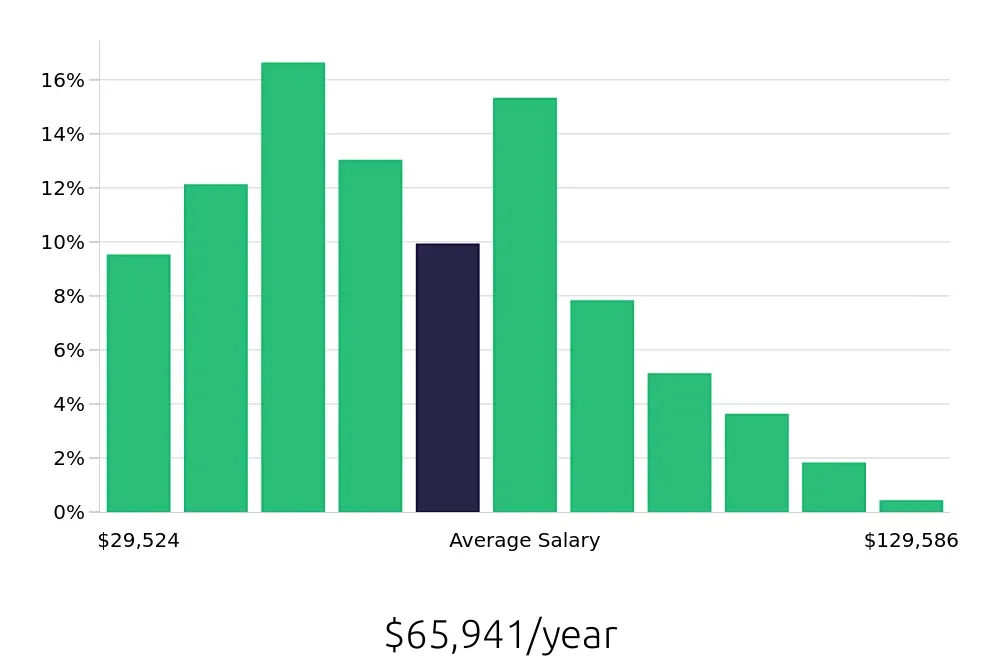
Prospective interpreters can also look forward to competitive compensation. The BLS reports an average national annual salary of $70,620. This figure highlights the financial rewards that come with mastering languages and communication skills. In addition, the average national hourly compensation of $33.95 reflects the value placed on interpreters' contributions in various industries, from healthcare to legal services.
For job seekers, the outlook for interpreters combines stable job growth, competitive salaries, and diverse opportunities. Whether working in courtrooms, international conferences, or healthcare settings, interpreters facilitate essential communication across cultures and languages. This career path offers not only financial benefits but also the chance to make a meaningful impact in our interconnected world.
Currently 1,032 Interpreter job openings, nationwide.
Continue to Salaries for Interpreter