What does a Inventory Manager do?
An Inventory Manager oversees the flow of goods in a company. This person ensures products are available for sale while minimizing excess stock. They coordinate with suppliers to get the right products at the right time. Inventory Managers analyze data to predict demand and adjust stock levels accordingly. They also handle storage and ensure that products remain in good condition.
Key duties of an Inventory Manager include managing the inventory system, conducting regular stock counts, and preparing detailed reports. They work closely with the procurement team to plan orders and with the sales team to understand market trends. Inventory Managers must pay attention to detail to prevent overstock or stockouts. They must also have strong analytical skills to interpret data and make informed decisions. This role is crucial for maintaining efficient operations and meeting customer needs.
How to become a Inventory Manager?
Becoming an Inventory Manager is a rewarding path that involves managing goods and materials within a business. This role ensures that a company's stock is accurate and efficient. Here are the steps to start a career in inventory management.
First, gain relevant education and experience. A high school diploma or GED is usually the minimum requirement. Pursue further education in business, supply chain management, or a related field to increase job prospects. Work experience in sales, logistics, or a similar area can be beneficial.
- Obtain necessary skills and education.
- Gain practical experience through internships or entry-level jobs.
- Enroll in certification programs to enhance credentials.
- Apply for positions and advance within the field.
- Stay updated with industry trends and technologies.
Second, gain practical experience. Internships and entry-level jobs in logistics or retail can provide hands-on experience. Look for opportunities in warehousing or supply chain management.
Third, enroll in certification programs. Certifications from organizations like the Association for Supply Chain Management (ASCM) or the Council of Supply Chain Management Professionals (CSCMP) can boost your resume. These programs often cover topics like inventory control, logistics, and supply chain management.
Fourth, apply for positions. Use your education, experience, and certifications to find entry-level inventory management roles. Start in positions such as Inventory Analyst or Assistant Inventory Manager to gain experience.
Fifth, continue to learn and advance. Stay updated with industry trends and technologies. Attend workshops, webinars, and industry conferences. Network with other professionals to open new opportunities for advancement.
How long does it take to become a Inventory Manager?
Pursuing a career as an Inventory Manager can take different paths. Many start with a high school diploma or GED. With some on-the-job training, they may become a Warehouse Assistant. With experience, they can move up to a Inventory Specialist role. Gaining more skills and knowledge, they often become a Senior Inventory Specialist. Taking additional courses in business or supply chain management can help in these steps.
Some choose to go to college to speed up the process. A two-year associate degree in business or a related field can prepare someone for an entry-level inventory role. This degree often includes classes in logistics, warehousing, and management. A bachelor’s degree takes four years. It offers more advanced courses and hands-on projects. This degree can lead to a higher-level position faster. Experience and certifications in inventory management also help in the journey. This can make someone a valuable asset to any company.
Inventory Manager Job Description Sample
The Inventory Manager is responsible for overseeing the inventory management process, ensuring the accurate tracking of inventory levels, managing stock replenishment, and optimizing inventory turnover to meet company goals.
Responsibilities:
- Oversee and manage the company's inventory levels, ensuring accurate and timely tracking of inventory.
- Analyze inventory data and trends to identify areas for improvement and implement strategies to optimize inventory turnover.
- Collaborate with procurement and supply chain teams to manage stock replenishment and ensure timely delivery of goods.
- Conduct regular physical inventory counts and reconcile discrepancies between physical inventory and system records.
- Develop and maintain inventory management policies and procedures to ensure efficient operations.
Qualifications
- Bachelor's degree in Business Administration, Supply Chain Management, Logistics, or a related field.
- Proven experience (at least 5 years) in inventory management or a similar role.
- Strong knowledge of inventory management systems and software.
- Excellent analytical skills with the ability to interpret complex data and make data-driven decisions.
- Proficient in using Microsoft Office Suite, particularly Excel.
Is becoming a Inventory Manager a good career path?
An Inventory Manager plays a crucial role in ensuring that a company maintains optimal stock levels. This role involves overseeing the flow of goods, managing warehouse operations, and ensuring that inventory levels meet demand. Inventory Managers work across various industries, including retail, manufacturing, and logistics. They analyze inventory trends and work with teams to improve efficiency.
Working as an Inventory Manager offers several advantages. It allows for a stable career with opportunities for growth. Inventory Managers often have the chance to work in different environments, from warehouses to retail stores. This role can lead to higher positions such as Supply Chain Manager or Operations Manager. However, it also has its challenges. Inventory Managers may face high-pressure situations, especially during peak seasons. The role requires strong attention to detail and good problem-solving skills.
When considering a career as an Inventory Manager, it is important to weigh both pros and cons:
- Pros:
- Opportunities for career advancement
- Variety in work environments
- Stable job market
- Development of strong analytical skills
- Cons:
- High-pressure situations
- Need for strong attention to detail
- Potential for long working hours
- Dependence on accurate data
What is the job outlook for a Inventory Manager?
Job seekers in search of a stable career path should consider the role of an Inventory Manager. The U.S. Bureau of Labor Statistics (BLS) reports approximately 89,900 job positions available per year for Inventory Managers. This role has seen a promising outlook with an 8.5% increase in job openings expected from 2022 to 2032. This growth reflects the ongoing need for skilled professionals to manage supply chains and inventory processes in various industries.
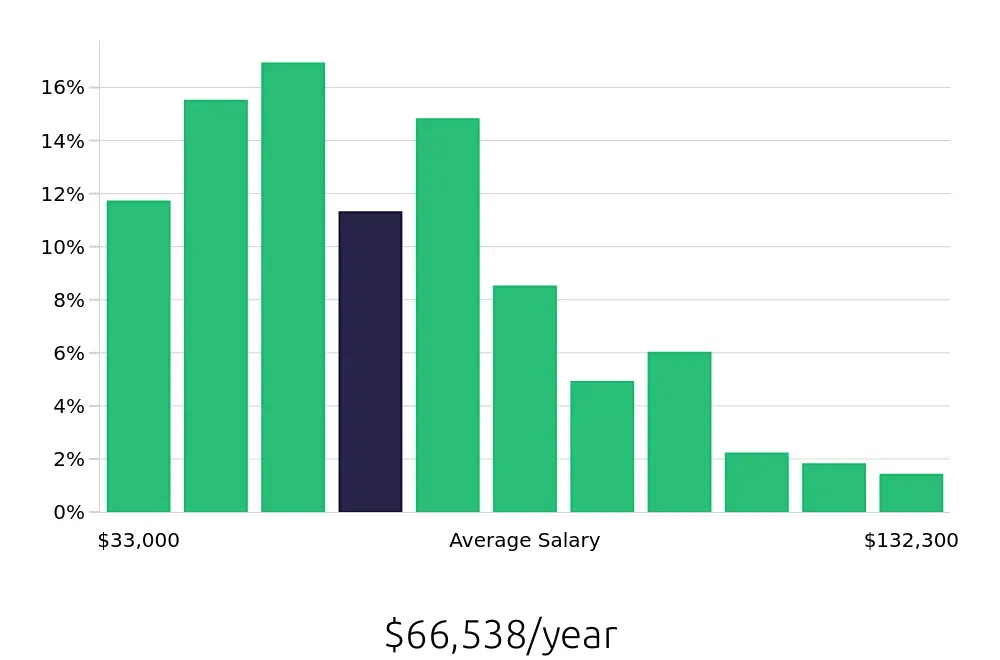
A career as an Inventory Manager also offers competitive compensation. According to the BLS, the average annual salary stands at $100,980. On an hourly basis, professionals in this field can expect to earn around $48.55. These figures make the role financially attractive, particularly for those who excel in logistics and supply chain management. The combination of job stability and a lucrative salary makes this a compelling career choice.
In conclusion, Inventory Managers play a crucial role in ensuring efficient inventory management. With a steady demand and a strong average salary, this career offers both stability and financial rewards. Job seekers with skills in logistics and supply chain management will find ample opportunities in this field. For more information on job openings and salary details, visit the BLS Occupational Projections and Characteristics page.
Currently 422 Inventory Manager job openings, nationwide.
Continue to Salaries for Inventory Manager