What does a Job Coach do?
A Job Coach helps individuals find and keep jobs. They work with people who may face challenges in the job market. Job Coaches assist with resume writing, job searching, and interview skills. They also help prepare for job interviews. Many Job Coaches focus on people with disabilities, veterans, or those returning to the workforce after a break.
Job Coaches provide personalized guidance. They create action plans to reach career goals. They may help with setting short-term and long-term job objectives. Job Coaches often visit workplaces. They understand job expectations and workplace culture. They teach job-seeking skills and workplace behaviors. Job Coaches support clients until they find and keep a job. They offer ongoing support to ensure success.
How to become a Job Coach?
Becoming a job coach can be a fulfilling career choice. Job coaches help people find, keep, and succeed in jobs. They work with clients to build skills and navigate the job market. Follow these steps to start your journey as a job coach.
First, get a relevant degree. Many job coaches have a background in social work, psychology, or human resources. Some take courses in business or career counseling. A degree provides a solid foundation.
Second, gain experience. Work in human resources, career counseling, or a related field. Volunteer or intern to build skills. Experience helps you understand the job market and clients' needs.
- Develop essential skills. Build strong communication, problem-solving, and interpersonal skills. Job coaches must guide clients effectively. They need to listen well and offer clear advice.
- Get certified. Look for programs that offer job coach training. Some are offered by professional organizations or community colleges. Certification shows you have the knowledge and skills needed.
- Network and find job opportunities. Join professional groups and attend job fairs. Connect with others in the field. Networking can lead to job openings and collaborations.
By following these steps, you can become a successful job coach. This career offers the chance to make a real difference in people's lives. It is a rewarding path for those who love helping others.
How long does it take to become a Job Coach?
The path to becoming a Job Coach involves a combination of education, training, and experience. Generally, this journey can take anywhere from one to four years. The exact time can vary based on the individual's prior education and experience. Many Job Coaches hold a bachelor's degree in social work, psychology, or a related field. This academic foundation takes about four years to complete.
After earning a degree, gaining practical experience is essential. Job Coaches often start by working in related fields, such as vocational rehabilitation or employment services. They may also need to complete additional certifications, such as the Certified Professional Coach (CPC) credential. These steps can take an additional one to two years. Job Coaches must also stay updated with the latest job market trends and technologies. This ongoing education ensures they provide the best support to job seekers.
Job Coach Job Description Sample
The Job Coach will provide personalized support to individuals with disabilities to help them achieve their career goals. This role involves assisting clients in job searching, resume writing, interview preparation, and workplace adaptation. The Job Coach must be patient, empathetic, and able to work collaboratively with clients to create effective strategies for successful employment outcomes.
Responsibilities:
- Assist clients in identifying career goals and developing action plans.
- Guide clients through the job search process, including resume writing and cover letter development.
- Prepare clients for job interviews, including mock interviews and role-playing scenarios.
- Provide on-the-job training and support to clients in their work environments.
- Collaborate with employers to create inclusive and supportive work environments.
Qualifications
- Bachelor's degree in social work, psychology, counseling, or a related field.
- Minimum of 2 years of experience in a job coaching or vocational rehabilitation role.
- Strong knowledge of disability rights and employment laws.
- Excellent communication and interpersonal skills.
- Ability to work independently and as part of a team.
Is becoming a Job Coach a good career path?
A Job Coach assists individuals in finding and maintaining employment. They work with clients to develop job skills and strategies. Job Coaches help clients create resumes, prepare for interviews, and understand workplace expectations. They may also accompany clients to job interviews and provide ongoing support.
The role offers many benefits. Job Coaches impact people's lives by helping them achieve career goals. They enjoy working with diverse clients and seeing their progress. Job Coaches often work in flexible settings, including offices and community centers. They may also have the option to work remotely. However, this role comes with challenges. Job Coaches may deal with clients facing significant barriers to employment. This work can be emotionally demanding. Job Coaches often have to manage tight schedules and multiple clients at once. They need strong organizational skills and the ability to remain calm under pressure.
Here are some pros and cons to consider:
- Pros:
- Helping people achieve their career goals.
- Working in flexible settings.
- Opportunity to work with diverse clients.
- Cons:
- Dealing with challenging client situations.
- Emotional demands of the job.
- Need for strong organizational skills.
What is the job outlook for a Job Coach?
Job coaches play a crucial role in helping individuals with disabilities secure and maintain employment. This role is seeing steady growth, with the Bureau of Labor Statistics (BLS) projecting a 11.9% increase in job openings from 2022 to 2032. On average, around 89,200 job positions for job coaches open annually, offering ample opportunities for those entering this field.
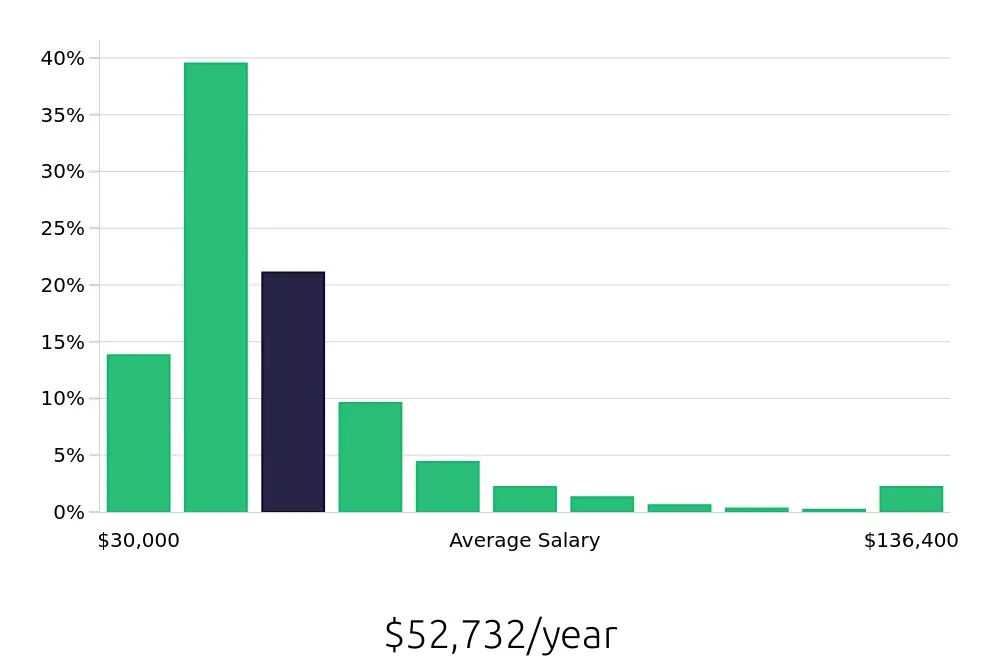
A career as a job coach is both rewarding and financially viable. According to BLS data, the average national annual compensation for job coaches is $61,790. This translates to an hourly wage of $29.71, reflecting the value placed on the expertise and dedication required in this profession. With these attractive compensation figures, job coaches can look forward to a stable and fulfilling career path.
Job seekers interested in becoming a job coach will find a growing demand for their skills. The combination of job security, competitive salaries, and the opportunity to make a real difference in people's lives makes this a highly appealing career choice. As the number of job openings increases, so does the need for qualified professionals ready to take on this important role.
Currently 6,983 Job Coach job openings, nationwide.
Continue to Salaries for Job Coach