What does a Licensed Professional Counselor do?
A Licensed Professional Counselor (LPC) provides mental health services to individuals, families, and groups. This role focuses on helping clients manage and overcome emotional and psychological challenges. An LPC assesses client needs, develops treatment plans, and uses various therapeutic techniques to support mental well-being. They work in a variety of settings, including private practices, hospitals, schools, and community health centers.
The duties of an LPC include conducting individual and group therapy sessions, providing crisis intervention, and facilitating workshops. They also collaborate with other healthcare professionals to ensure comprehensive care. Counselors must maintain confidentiality, adhere to ethical standards, and keep detailed records. An LPC helps clients improve their coping skills, resolve conflicts, and achieve personal goals.
To succeed as an LPC, one needs strong interpersonal skills, empathy, and a deep understanding of psychological theories. Continuous education and certification are essential to stay updated on best practices and new treatments. This career offers a rewarding opportunity to make a meaningful impact on people’s lives.
How to become a Licensed Professional Counselor?
Becoming a Licensed Professional Counselor (LPC) involves a structured process that combines education, supervised experience, and passing exams. This rewarding career path offers individuals the chance to make a meaningful impact in others' lives. By following the steps below, one can embark on the journey to becoming a licensed counselor.
The first step is to obtain a relevant degree. Aspiring counselors typically need a master’s degree in counseling or a related field. Programs often include courses in psychology, counseling techniques, and ethics. The next step is to complete supervised experience hours. This includes internships or practicums under the guidance of a licensed professional. Gaining practical experience is essential for developing necessary skills.
- Earn a Master's Degree: Obtain a master's degree in counseling or a related field.
- Complete Supervised Experience: Gain the required hours of supervised experience.
- Pass the National Counselor Examination (NCE) or Clinical Mental Health Counselor Examination (CMHCE): Take and pass these exams to meet licensure requirements.
- Apply for Licensure: Submit an application to the state licensing board. Include all necessary documentation and fees.
- Maintain Continuing Education: Stay updated with ongoing education to keep the license active.
By following these steps, an individual can successfully navigate the path to becoming a licensed professional counselor. This journey not only prepares them to help others but also opens up various career opportunities in counseling.
How long does it take to become a Licensed Professional Counselor?
Achieving the title of Licensed Professional Counselor (LPC) involves several steps. Generally, a person can expect this process to take about 2 to 4 years. This timeline includes earning a master's degree, completing supervised work experience, and passing necessary exams.
First, an individual needs a master's degree in counseling or a related field. This step alone can take about 2 years. During this time, students learn theory, counseling techniques, and ethics. Next, graduates must complete a certain number of supervised hours. This practical experience helps them apply what they learned in real-world settings. This phase can take another 1 to 2 years. Finally, individuals must pass a state licensing exam. This exam tests their knowledge and skills. Passing this exam is crucial for getting the LPC license.
Licensed Professional Counselor Job Description Sample
We are seeking a compassionate and highly skilled Licensed Professional Counselor (LPC) to join our team. The LPC will provide therapeutic services to individuals, couples, and families, addressing a range of mental health issues. The ideal candidate will have strong interpersonal skills, a commitment to ethical practice, and a dedication to helping clients achieve their mental health goals.
Responsibilities:
- Conduct individual, group, and family therapy sessions to address mental health needs.
- Develop and implement treatment plans based on assessments and therapeutic goals.
- Utilize evidence-based therapeutic techniques and modalities to support client progress.
- Maintain accurate and confidential client records in compliance with legal and ethical standards.
- Collaborate with other healthcare professionals to provide comprehensive care.
Qualifications
- Master’s degree in Counseling, Psychology, Social Work, or a related field.
- Current license as a Licensed Professional Counselor (LPC) in the state of practice.
- Minimum of 2 years of experience in a clinical setting.
- Strong knowledge of mental health issues, treatment modalities, and therapeutic practices.
- Excellent communication and interpersonal skills.
Is becoming a Licensed Professional Counselor a good career path?
A career as a Licensed Professional Counselor offers a rewarding path for those passionate about helping others. This profession involves providing mental health support and guidance to individuals, couples, and families. Licensed Professional Counselors (LPCs) create a safe space for clients to explore their emotions and develop coping strategies. They work in various settings, including private practices, hospitals, and community centers. This role requires strong listening skills, empathy, and the ability to remain professional in challenging situations.
Choosing this career path comes with both advantages and challenges. Understanding these can help potential counselors decide if this is the right fit for them. One significant benefit is the opportunity to make a positive impact on people's lives. Helping others navigate through difficult times can be deeply fulfilling. Another advantage is the flexibility in work environments. LPCs can choose to work in schools, rehabilitation centers, or private practices, among other options.
However, there are also some drawbacks to consider. The emotional toll of the job can be significant. Counselors often deal with clients who have serious issues, which can be draining. Additionally, the path to licensure can be long and challenging. It requires a master's degree, supervised experience, and passing a licensing exam. The job can also involve long hours and the need to be available outside of regular business hours to meet clients' needs.
Below are some pros and cons to help you decide if a career as a Licensed Professional Counselor is right for you:
- Pros:
- Opportunity to positively impact lives
- Flexibility in work settings
- Potential for job satisfaction
- Cons:
- Emotional strain from clients' issues
- Lengthy path to licensure
- Possible need for irregular work hours
What is the job outlook for a Licensed Professional Counselor?
The job outlook for Licensed Professional Counselors looks promising for those entering this field. The Bureau of Labor Statistics (BLS) reports an average of 12,800 job positions available each year. This consistent demand shows a strong need for mental health professionals across various settings. Those who pursue this career can expect many opportunities to find rewarding positions.
Job growth for Licensed Professional Counselors is expected to rise by 6.1% from 2022 to 2032, according to the BLS. This growth rate indicates that more employers are seeking qualified counselors to meet the mental health needs of their communities. As awareness of mental health issues increases, so does the need for skilled professionals to provide care and support. This trend will create more job openings in the coming years.
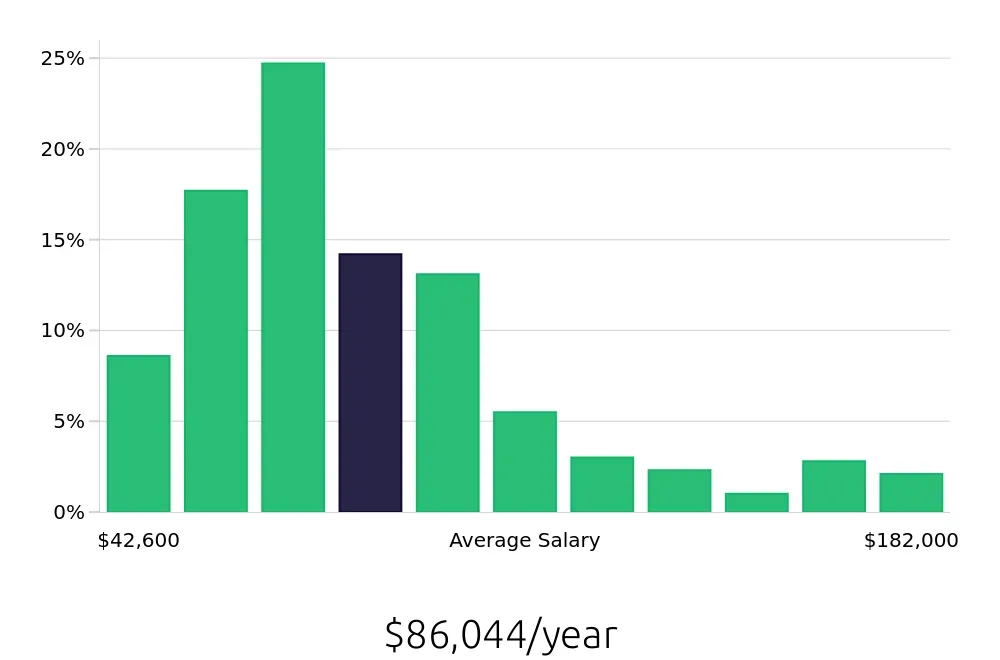
Licensed Professional Counselors can expect a competitive salary with their skills and dedication. The BLS reports an average national annual compensation of $101,170. Hourly compensation averages $48.64, reflecting the value placed on their expertise. These figures highlight the financial benefits of this career path, making it an attractive option for those looking to build a stable and rewarding profession.
Currently 915 Licensed Professional Counselor job openings, nationwide.
Continue to Salaries for Licensed Professional Counselor