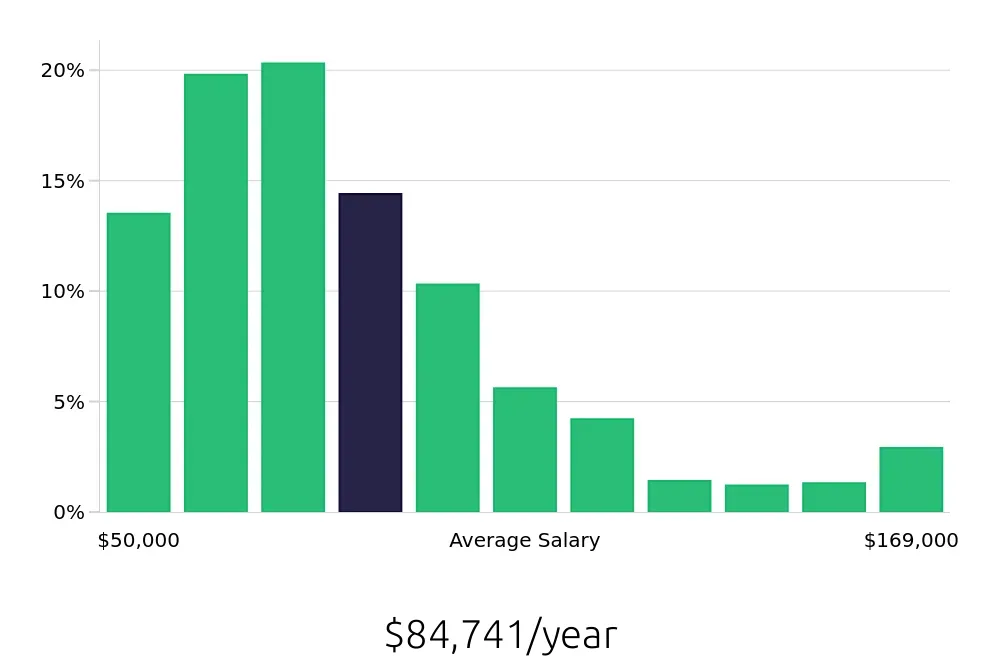
What does a Licensed Therapist do?
A Licensed Therapist provides professional counseling and support to individuals facing emotional, psychological, or social challenges. They work in various settings, such as hospitals, private practices, or community centers. Their goal is to help clients improve their mental health and well-being. This role involves conducting assessments, developing treatment plans, and using therapeutic techniques to address client issues. Licensed Therapists must have the necessary qualifications and certifications to practice legally.
These professionals often work with people of all ages and backgrounds. They focus on areas like anxiety, depression, trauma, relationship problems, and addiction. Therapists use different therapeutic approaches, such as cognitive-behavioral therapy (CBT), psychodynamic therapy, or family systems therapy. They create a safe and supportive environment for clients to express their feelings and explore their challenges. Licensed Therapists also collaborate with other healthcare providers to ensure comprehensive care for their clients.
How to become a Licensed Therapist?
Becoming a licensed therapist is a rewarding journey that requires dedication and the right steps. This path involves education, hands-on experience, and passing necessary exams. Following these steps can help anyone turn their passion for helping others into a fulfilling career.
To start, choose a specialization. Common areas include clinical psychology, counseling, or social work. Next, earn a relevant degree. Most states require at least a master's degree in a mental health field. It is important to ensure the program is accredited. Gain supervised clinical experience while in school. This hands-on work is crucial for future licensing. After graduation, complete the required number of supervised hours. Each state has specific rules about how many hours are needed. Finally, pass the licensure exam. This exam tests knowledge and skills needed to practice safely and effectively.
Taking these steps can set anyone on the right track to becoming a licensed therapist. Each step is important and contributes to a successful career in mental health. Remember, the journey is challenging, but the end result is a rewarding and impactful profession.
- Choose a specialization.
- Earn a relevant degree.
- Gain supervised clinical experience.
- Complete required supervised hours.
- Pass the licensure exam.
How long does it take to become a Licensed Therapist?
The path to becoming a licensed therapist varies based on education and training. Most therapists need at least a master's degree in counseling, psychology, or a related field. This degree typically takes two years to complete.
After earning a master's degree, therapists must gain supervised clinical experience. This supervised practice often lasts between one and three years. During this time, therapists work under the guidance of a licensed professional. They learn to apply their academic knowledge in real-world settings. Passing a licensing exam is the final step. This exam tests the therapist's skills and knowledge. In total, the process can take five to seven years. This timeline can vary depending on individual circumstances and the specific licensing requirements of the state.
Licensed Therapist Job Description Sample
We are seeking a highly skilled and compassionate Licensed Therapist to join our team. The ideal candidate will provide therapeutic services to individuals, couples, and families, focusing on mental health and wellness. This role involves conducting assessments, developing treatment plans, and facilitating therapeutic sessions.
Responsibilities:
- Conduct individual, couple, and family therapy sessions.
- Perform psychological assessments and evaluations.
- Develop and implement individualized treatment plans.
- Maintain accurate and confidential client records.
- Collaborate with other healthcare professionals to coordinate care.
Qualifications
- Licensed as a Therapist (e.g., LMFT, LCSW, LPC, PhD, PsyD) in the state of employment.
- Master’s or Doctoral degree in Counseling, Social Work, Psychology, or a related field.
- Proven experience in providing therapy to individuals, couples, and families.
- Strong understanding of mental health issues and therapeutic techniques.
- Excellent communication and interpersonal skills.
Is becoming a Licensed Therapist a good career path?
Working as a licensed therapist offers a rewarding career path. Therapists help people improve their mental health and wellbeing. This job requires a deep understanding of psychology and strong communication skills. Many people find this career fulfilling, as they can make a real difference in others' lives.
Choosing this career has both positives and negatives. Knowing these can help someone decide if this path is right for them. Below are some pros and cons to consider.
- Pros:
- Therapists can work in many different settings, such as hospitals, schools, or private practices.
- The job often allows for flexible hours, which can be good for work-life balance.
- It provides the opportunity to specialize in areas like family therapy, child psychology, or addiction counseling.
- Many therapists report high job satisfaction from helping others.
- Cons:
- Therapists need to complete extensive education and training, which can be time-consuming and costly.
- Emotional demands can be high, as therapists often deal with serious issues.
- Income can vary widely, and therapists may need to balance different types of work to earn a stable income.
- There can be a lot of paperwork and administrative tasks.
What is the job outlook for a Licensed Therapist?
Job seekers looking to enter the field of mental health have promising news about the outlook for licensed therapists. According to the Bureau of Labor Statistics (BLS), there are on average about 89,200 job positions available each year. This figure translates to a steady demand for qualified professionals over the next decade. A forecasted increase of 11.9% in job openings from 2022 to 2032 suggests a growing need for mental health services across the nation.
In addition to a robust number of job opportunities, the average national annual compensation for licensed therapists is $61,790, offering a stable income for professionals in this field. Hourly compensation stands at $29.71, reflecting the value placed on the expertise and dedication required to assist individuals in need of mental health support. These figures make the profession both rewarding and financially viable for those entering the field.
Prospective licensed therapists can look forward to a career with a positive job outlook and competitive compensation. The combination of an increasing number of job positions and a stable income makes this a compelling career path for those committed to providing essential mental health services.
Currently 1,311 Licensed Therapist job openings, nationwide.
Continue to Salaries for Licensed Therapist