What does a Line Cook do?
A Line Cook works in the fast-paced environment of a commercial kitchen. They prepare food quickly and efficiently, often working under pressure. This role requires a deep understanding of kitchen operations and the ability to follow recipes accurately. Line Cooks are responsible for chopping, boiling, frying, and sautéing ingredients. They ensure that dishes meet quality standards and that food is served promptly. Attention to detail and strong time management skills are crucial in this position.
The Line Cook often collaborates with other kitchen staff to maintain smooth operations. They work closely with kitchen managers and chefs to ensure the kitchen runs efficiently. Line Cooks need to stay organized and keep their work area clean. They must adhere to health and safety regulations. This role is ideal for someone who enjoys being part of a team and values a dynamic work environment. Line Cooks play a vital role in delivering delicious meals to customers every day.
How to become a Line Cook?
Becoming a line cook can be a rewarding career choice for those passionate about food and cooking. This role requires skill, speed, and attention to detail. Follow these steps to start your journey as a line cook.
First, gain a solid understanding of basic cooking techniques. Cook in a restaurant or culinary school to practice these skills. Learn to handle knives safely and prepare ingredients quickly. Mastering these basics sets a strong foundation for a successful career.
- Get formal training: Enroll in a culinary program. These programs teach essential skills in a structured environment.
- Gain experience: Work in a restaurant. Start with entry-level positions to learn from experienced chefs.
- Develop teamwork skills: Work well with others in a busy kitchen. Communication and coordination are key to a smooth operation.
- Stay organized: Keep your station tidy. This helps maintain a clean and efficient kitchen.
- Keep learning: Stay updated with new cooking techniques and food trends. Attend workshops and training sessions when possible.
How long does it take to become a Line Cook?
Many people who love cooking dream of becoming a line cook. This job involves working in fast-paced kitchens. The time to become a line cook can vary. It often depends on prior experience and the type of training one gets.
Most people start as kitchen helpers. They learn the basics of kitchen work. These tasks include chopping vegetables, washing dishes, and cleaning. After gaining experience, one may move to more specialized roles. Some people take a few months to learn these tasks well. Others may need a year or more, especially if they attend a culinary school. Many line cooks gain experience through apprenticeships. These programs often last from a few months to a year. They provide hands-on training in a real kitchen.
Becoming a successful line cook requires dedication. It also needs a love for cooking and teamwork. With the right training, anyone can start this exciting career. The journey may be short or long. But the end goal of working in a busy kitchen is within reach.
Line Cook Job Description Sample
We are seeking a skilled and dedicated Line Cook to join our dynamic kitchen team. The ideal candidate will be passionate about food preparation and able to work efficiently in a fast-paced environment.
Responsibilities:
- Prepare ingredients for cooking, following recipes and quality standards.
- Cook food in a timely manner, ensuring consistency in taste and presentation.
- Operate kitchen equipment, including stoves, ovens, grills, and fryers.
- Maintain a clean and organized workspace.
- Assist with food preparation for various dishes, including appetizers, main courses, and desserts.
Qualifications
- Previous experience as a Line Cook or in a similar role.
- Strong understanding of cooking techniques and food preparation.
- Ability to multitask and work well under pressure.
- Excellent time management and organizational skills.
- Knowledge of food safety and sanitation practices.
Is becoming a Line Cook a good career path?
A career as a line cook offers a dynamic role in the bustling environment of a commercial kitchen. Line cooks work closely with chefs to prepare and cook food quickly and efficiently. They often handle a variety of tasks, from chopping vegetables to cooking main dishes. This position requires strong multitasking skills and the ability to work well under pressure. It is an excellent choice for those who love being active and enjoy the fast pace of a kitchen.
Line cooking comes with its own set of advantages and disadvantages. Considering these factors can help someone decide if this path is right for them. On the positive side, line cooks get to be creative with their cooking. They can experiment with flavors and techniques daily. This role also provides the opportunity to learn quickly and gain valuable experience in a short time. Many line cooks find that the skills they learn can lead to higher-paying positions or even opening their own restaurant.
However, there are some challenges to consider. The job can be physically demanding, requiring long hours on one's feet. It often involves standing for extended periods, which can be tiring. Line cooks also need to work in a fast-paced environment, which can be stressful. Additionally, the job may not offer the best working hours, with shifts often starting early in the morning or late in the evening.
Here are some pros and cons to help weigh the options:
- Pros:
- Opportunity to be creative with cooking
- Quick learning curve and hands-on experience
- Potential to advance to higher positions or open a restaurant
- Cons:
- Physically demanding with long hours on feet
- Fast-paced environment can be stressful
- Often requires working early mornings or late evenings
What is the job outlook for a Line Cook?
Job seekers looking for a stable career in the culinary field may find the role of a Line Cook appealing. This role typically involves preparing ingredients and cooking food in a fast-paced kitchen environment. The Bureau of Labor Statistics (BLS) reports that there are approximately 439,300 job positions for Line Cooks each year. This offers many opportunities for those seeking employment in this sector.
The job outlook for Line Cooks is promising. According to the BLS, there will be a 6.4% increase in job openings from 2022 to 2032. This growth reflects a steady demand for skilled cooks who can work efficiently in a kitchen. Aspiring Line Cooks can look forward to a growing number of job opportunities as the food service industry continues to expand.
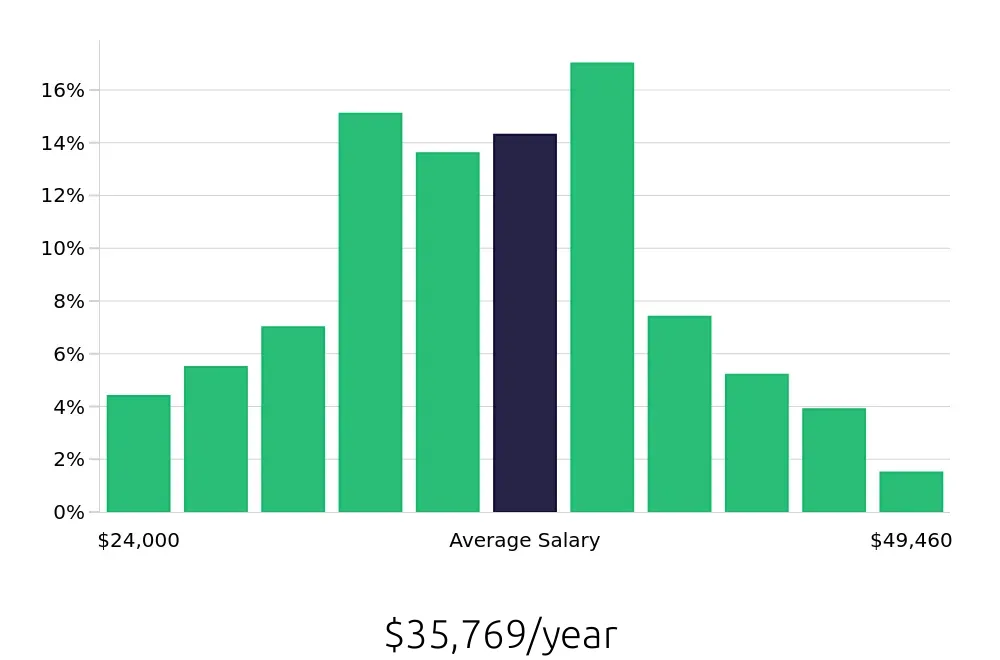
Line Cooks can expect a competitive salary as well. The average national annual compensation for this role stands at $34,360, with an hourly rate of $16.52. While this may not be the highest paying position in the culinary field, it provides a stable income and potential for growth. Aspiring cooks can leverage their skills to secure a fulfilling career with good earning potential.
Currently 12,509 Line Cook job openings, nationwide.
Continue to Salaries for Line Cook