What does a Local Driver do?
A local driver plays a crucial role in transportation. They operate vehicles to transport people or goods within a specific area. Their work helps ensure that items get delivered on time. This job requires attention to detail and a good understanding of routes. Local drivers often need to work in different weather conditions.
Responsibilities of a local driver include planning routes, checking the vehicle's condition, and adhering to traffic laws. They must have a valid driver’s license and sometimes need a commercial driver’s license. Good communication skills are important to interact with dispatch and customers. They also need to keep records of their deliveries. This job is vital for keeping businesses running smoothly and delivering goods efficiently.
How to become a Local Driver?
Becoming a Local Driver can be a rewarding career choice for those who enjoy navigating city streets and interacting with people. This role often involves delivering goods, providing taxi services, or offering ride-sharing options. By following the steps below, one can embark on this fulfilling journey.
To start, it is essential to understand the necessary steps involved. Below is a clear guide to help aspiring drivers on their path to becoming successful local drivers.
- Obtain a Valid Driver’s License: The first step is to get a standard driver’s license. Ensure the license is current and in good standing. This requirement varies by state, so check local regulations.
- Complete Necessary Training: Some local driver jobs require specific training. This can include defensive driving courses, first aid training, or other specialized programs.
- Gain Experience: Experience is crucial. Look for opportunities to drive for delivery companies, ride-sharing services, or local taxi firms to gain practical experience.
- Apply for Job Openings: Once experience is secured, start applying for local driver positions. Use online job boards, company websites, and local employment agencies to find opportunities.
- Maintain a Clean Driving Record: Keeping a clean driving record is essential. Avoid traffic violations and always follow traffic laws to maintain employment and avoid insurance issues.
How long does it take to become a Local Driver?
The time it takes to become a local driver can vary. Many drivers start with a commercial driver’s license (CDL). This often takes a few weeks to a couple of months to obtain. Classes, tests, and practice time all play a role. Each state has its own rules and time frames for getting a CDL. After earning the CDL, some drivers gain experience through part-time work or internships. This can take several months to a year. Each driver’s path will be unique.
Once a driver has enough experience, they can apply for local driving jobs. Some employers offer training programs to help new drivers get started. These programs can last from a few weeks to several months. The time it takes also depends on the employer and the type of driving job. For example, driving a school bus might take less time than becoming a truck driver. It is important to check with potential employers about their training programs. Knowing these details can help plan the path to a local driving career.
Local Driver Job Description Sample
We are seeking a reliable and experienced Local Driver to join our team. The ideal candidate will be responsible for transporting goods and materials within the local area using company vehicles. The role requires a professional attitude, excellent time management, and a commitment to safety.
Responsibilities:
- Operate company vehicles to transport goods and materials within the local area.
- Plan and optimize delivery routes to ensure timely and efficient service.
- Maintain accurate records of deliveries and mileage.
- Inspect vehicles before and after trips to ensure they are in good working order.
- Load and unload goods and materials in a safe and efficient manner.
Qualifications
- Valid driver's license with a clean driving record.
- Previous experience as a Local Driver or similar role.
- Knowledge of local geography and traffic laws.
- Ability to work independently and manage time effectively.
- Strong communication and organizational skills.
Is becoming a Local Driver a good career path?
Being a local driver offers many opportunities for those looking to start a career in transportation. This role allows individuals to navigate their city or town, delivering goods or transporting passengers. The job typically involves driving a vehicle, ensuring timely deliveries, and sometimes interacting with customers or clients. It's a hands-on job that provides a clear sense of purpose and routine.
Local driving can offer flexibility and a stable income. Many local drivers work part-time or full-time, often with set schedules that allow for a good work-life balance. Additionally, the experience gained can lead to opportunities in other areas of the transportation industry, such as long-haul driving or logistics.
Here are some pros and cons to consider:
- Pros:
- Flexible work hours for part-time drivers.
- Frequent interactions with the community.
- Potential for career advancement.
- Cons:
- Long hours on the road can be tiring.
- Exposure to traffic and weather conditions.
- Limited opportunities for travel outside the local area.
What is the job outlook for a Local Driver?
The job outlook for local drivers is strong, offering numerous opportunities for job seekers. The Bureau of Labor Statistics (BLS) reports an average of 445,000 job positions available annually. This figure suggests consistent demand for qualified local drivers. BLS data also forecasts a 6.8% increase in job openings from 2022 to 2032. This growth indicates a positive trend for those entering this field. Securing a position in this industry can lead to stable and rewarding career opportunities.
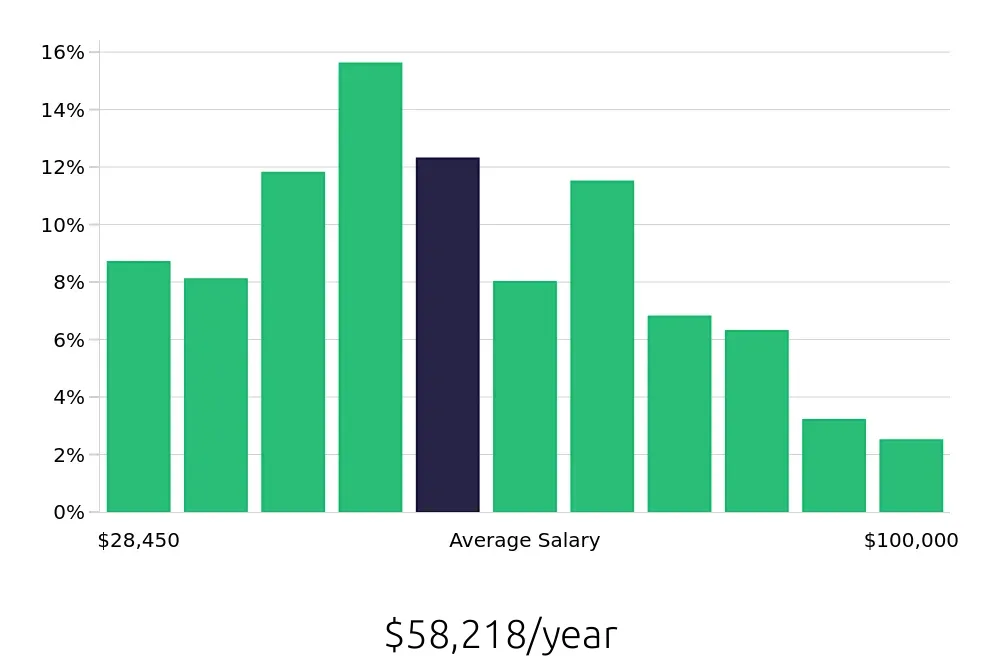
Compensation for local drivers is competitive, with an average national annual salary of $50,810. This figure reflects the value placed on local driving roles. The hourly rate stands at $24.43 on average. This compensation is attractive for those seeking reliable income. Additionally, many local driving positions offer benefits such as health insurance and retirement plans. These factors make this career choice even more appealing. Job seekers can look forward to fair and consistent pay.
To succeed in this field, individuals should focus on obtaining necessary qualifications. Most employers require a valid driver's license and a clean driving record. Some positions may also ask for experience in delivery or logistics. Gaining additional certifications can enhance job prospects. These steps can help job seekers secure a local driver position. With dedication and the right qualifications, a career as a local driver can be both fulfilling and lucrative.
Currently 7,035 Local Driver job openings, nationwide.
Continue to Salaries for Local Driver