What does a Logistics Coordinator do?
A Logistics Coordinator plays a key role in the smooth operation of supply chain processes. This person ensures that goods move efficiently from suppliers to customers. They manage schedules, track shipments, and coordinate with various departments to keep everything on time. The Logistics Coordinator must be detail-oriented and able to solve problems quickly.
In this role, the Logistics Coordinator works closely with warehouse staff, shipping companies, and clients. They create detailed plans for transportation and storage. They also monitor inventory levels to avoid shortages or overstock situations. This job demands strong communication skills and the ability to handle multiple tasks at once. Logistics Coordinators help businesses run smoothly by ensuring that goods are delivered on time and in good condition.
How to become a Logistics Coordinator?
Interested in becoming a Logistics Coordinator? Start with a solid plan. This role requires certain skills and steps. Follow these steps to move towards a successful career.
First, get the right education. Most companies want a high school diploma at least. Some prefer a degree in logistics or business. Consider courses in computer skills and math. A background in transportation or supply chain management helps. Check local job postings for specific needs.
- Earn a degree: Get a degree in logistics or a related field. Some companies prefer this.
- Study important subjects: Take courses in computer skills and math. Focus on transportation and supply chain management.
- Gain experience: Look for internships or entry-level jobs. Experience makes you more attractive to employers.
- Learn new skills: Use software tools for logistics. Understand supply chain management systems. Learn to solve problems quickly.
- Network: Join professional groups. Attend industry events. Connect with others in the field.
The path to becoming a Logistics Coordinator is clear and achievable. Follow these steps. Each step brings you closer to your goal. With dedication and hard work, you can succeed in this rewarding career.
How long does it take to become a Logistics Coordinator?
Interested in a career as a Logistics Coordinator? This role plays a key part in keeping supply chains running smoothly. It usually takes about two to four years to gain the necessary skills and education for this job. Many professionals start with an associate degree in logistics or a related field. This degree helps build a strong foundation in key areas like inventory management and transportation.
Once you have the required education, gaining hands-on experience is the next step. Many start as logistics assistants or warehouse clerks. This experience teaches valuable skills like handling shipments and coordinating deliveries. Some employers may prefer candidates with a bachelor's degree, especially for more advanced roles. This degree can provide deeper knowledge and better job prospects. Certifications, such as those from the Council of Supply Chain Management Professionals, can also boost your resume.
Logistics Coordinator Job Description Sample
The Logistics Coordinator is responsible for managing the logistics operations for an organization, ensuring that goods are delivered to the right place at the right time. This position requires excellent communication, organizational, and problem-solving skills. The Logistics Coordinator will work closely with other departments to ensure that logistics operations run smoothly and efficiently.
Responsibilities:
- Coordinate the transportation and delivery of goods and materials, ensuring that they are delivered to the right place at the right time.
- Manage relationships with logistics service providers, including carriers, warehouses, and freight forwarders.
- Develop and maintain logistics procedures and policies to ensure efficient and cost-effective operations.
- Monitor and analyze logistics performance metrics to identify areas for improvement.
- Collaborate with other departments, such as procurement, sales, and customer service, to ensure that logistics operations align with organizational goals.
Qualifications
- Bachelor's degree in logistics, supply chain management, or a related field.
- At least 3-5 years of experience in logistics or supply chain management.
- Strong knowledge of logistics and transportation operations, including freight forwarding, warehousing, and inventory management.
- Excellent communication, interpersonal, and negotiation skills.
- Ability to analyze data and make informed decisions based on performance metrics.
Is becoming a Logistics Coordinator a good career path?
A Logistics Coordinator plays a crucial role in ensuring goods move efficiently from one place to another. This job involves planning, implementing, and controlling the smooth operation of goods and services. The coordinator works with various departments and external partners to keep supply chains running smoothly. This position often requires strong organizational skills and attention to detail.
There are many benefits to this career path. For one, it offers the opportunity to work in various industries, from retail to manufacturing. The job also provides the chance to travel, sometimes even internationally, to oversee shipments or meet with suppliers. Additionally, it offers the potential for career advancement into higher management roles. However, it is not without its challenges. The job can be demanding, requiring long hours and the ability to manage tight deadlines. It also involves a lot of coordination and communication, which can be stressful at times. Job seekers should consider these pros and cons before pursuing a career as a Logistics Coordinator.
Here are some advantages and disadvantages to think about:
- Pros:
- Variety of industries to work in
- Potential for travel
- Opportunities for career growth
- Cons:
- Demanding and sometimes stressful
- Long hours and tight deadlines
- Requires strong communication skills
What is the job outlook for a Logistics Coordinator?
The job outlook for Logistics Coordinators is promising for those entering this field. According to the Bureau of Labor Statistics (BLS), an average of 15,900 job positions opens each year. This steady demand suggests a reliable path for career growth. This makes it a good time for job seekers to pursue roles in logistics coordination.
Looking ahead, the BLS projects an 8.2% growth in job openings for Logistics Coordinators from 2022 to 2032. This growth rate is higher than the average for all occupations, indicating strong demand in this sector. This growth can be attributed to the increasing importance of efficient logistics in various industries, from manufacturing to retail.
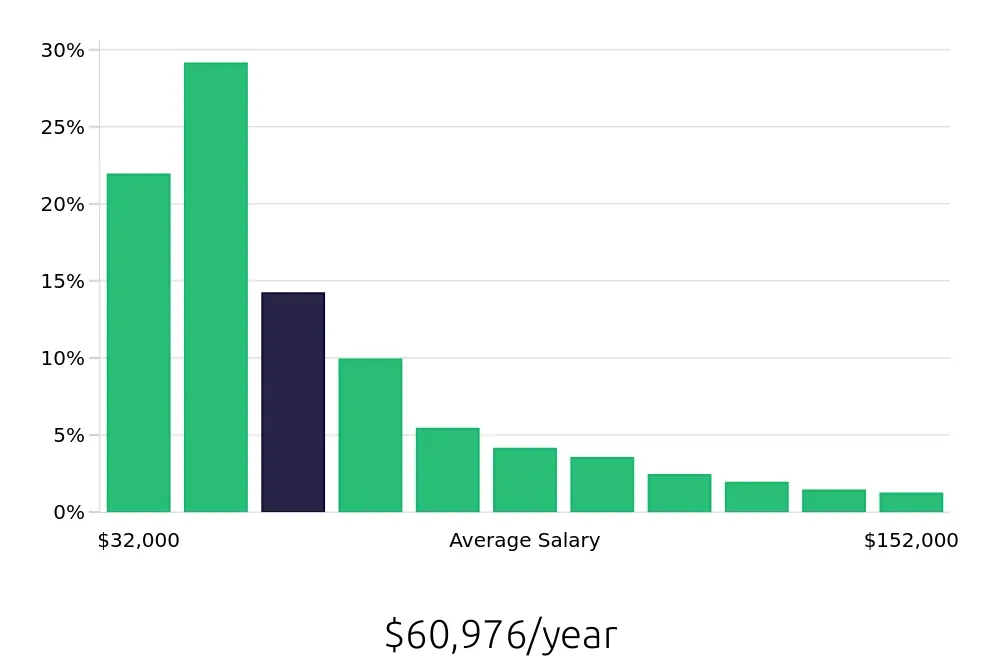
Logistics Coordinators also enjoy competitive compensation. The BLS reports an average national annual salary of $111,870. Additionally, the average hourly wage stands at $53.79. These figures reflect the value placed on effective logistics management, making it a lucrative field for qualified professionals.
Currently 1,679 Logistics Coordinator job openings, nationwide.
Continue to Salaries for Logistics Coordinator