What does a Loss Prevention Detective do?
A Loss Prevention Detective plays a crucial role in safeguarding company assets. They work to prevent theft and reduce losses within their assigned location. This role involves observing customer behavior and identifying potential theft indicators. Detectives use their skills to monitor security footage and ensure the safety of employees and customers. They often conduct investigations and gather evidence when incidents occur. This position requires keen attention to detail and strong problem-solving skills.
Daily tasks for a Loss Prevention Detective include patrolling store premises, checking for suspicious activities, and intervening when necessary. They collaborate with law enforcement when handling serious incidents. Detectives also review inventory and transactions to spot any discrepancies. Their work helps maintain a secure shopping environment and protects the company from financial losses. Being proactive and vigilant, a Loss Prevention Detective ensures that both employees and customers can shop without fear of theft.
How to become a Loss Prevention Detective?
Becoming a Loss Prevention Detective offers a rewarding career path for those who enjoy problem-solving and protecting assets. This role involves investigating incidents of theft, fraud, and other types of loss within retail environments. To pursue this career, follow these essential steps:
- Gain Basic Education: Start with a high school diploma or equivalent. Some positions may require additional coursework or a degree in criminal justice or a related field.
- Develop Key Skills: Hone skills like attention to detail, communication, and critical thinking. Understanding basic laws and security practices is also crucial.
- Obtain Certification: While not always required, certifications from recognized organizations can enhance credibility and job prospects. Courses often cover surveillance, report writing, and legal issues in loss prevention.
- Seek Experience: Look for entry-level positions in retail or security to gain practical experience. Working in loss prevention offers valuable insight into the daily tasks and challenges of the role.
- Advance Your Career: With experience, aim for promotions or positions in specialized areas such as fraud prevention or security management. Continuous learning and professional development are key to career growth.
Loss Prevention Detectives play a vital role in safeguarding businesses and ensuring customer safety. By following these steps, aspiring detectives can build a successful and fulfilling career in this field.
How long does it take to become a Loss Prevention Detective?
Interest in becoming a Loss Prevention Detective often arises from a passion for security and problem-solving. Typically, the journey to this career involves a blend of education, training, and experience. Many candidates start with a high school diploma or equivalent. Some positions may require additional education, such as an associate’s or bachelor’s degree in criminal justice, business, or a related field.
Post-education, aspiring detectives usually undergo specialized training. This training covers areas such as criminal law, surveillance, and conflict resolution. Many companies provide this training in-house, ensuring new recruits understand their specific procedures and systems. In some cases, law enforcement experience can be a significant advantage. This hands-on experience helps in understanding the practical aspects of the job and can reduce the overall time needed to become fully qualified. On average, the entire process, from education to gaining full qualifications, can take between two to four years.
Loss Prevention Detective Job Description Sample
We are seeking a highly skilled and vigilant Loss Prevention Detective to join our team. The ideal candidate will be responsible for maintaining the security of our assets and deterring theft and fraud within our facilities. This role requires a keen eye for detail, strong investigative skills, and the ability to work independently and as part of a team.
Responsibilities:
- Conduct regular patrols of the premises to identify and prevent theft and unauthorized access.
- Investigate incidents of theft, fraud, and other criminal activities, gathering and documenting evidence as needed.
- Monitor security systems and cameras to detect and respond to suspicious activities.
- Collaborate with local law enforcement and other security personnel as required.
- Conduct background checks and screenings of employees and visitors.
Qualifications
- High school diploma or equivalent; additional education in criminal justice or a related field is preferred.
- Previous experience in loss prevention, security, or law enforcement is highly desirable.
- Knowledge of security systems and surveillance equipment.
- Ability to pass a background check and obtain any necessary security clearances.
- Strong communication and interpersonal skills.
Is becoming a Loss Prevention Detective a good career path?
A career as a Loss Prevention Detective provides a unique blend of investigative work and security management. This role involves monitoring and preventing theft, fraud, and other forms of loss within businesses. Detectives work in retail environments, warehouses, and other commercial settings. They use surveillance technology, interviews, and reports to identify potential issues. A successful detective needs strong attention to detail, analytical skills, and the ability to handle stressful situations.
This career offers several advantages. First, it provides the opportunity to work in a dynamic environment. Detectives encounter different challenges daily, which keeps the job interesting. The role also offers a chance to help businesses reduce financial losses. Detectives can make a real impact by identifying and preventing theft. Additionally, many companies offer training and career advancement opportunities. Experience in loss prevention can lead to higher positions in security management.
However, there are some challenges to consider. The job can be stressful, as detectives often work long hours and must remain vigilant. They may face confrontational situations with suspected shoplifters. The work environment can be physically demanding, with the need to stand or patrol for extended periods. The nature of the job might also require working evenings or weekends. Despite these challenges, the role offers a rewarding career path for those interested in security and investigation.
Here are some pros and cons to consider:
- Pros:
- Dynamic work environment with new challenges daily.
- Opportunity to help businesses reduce financial losses.
- Training and career advancement opportunities.
Now, for the cons:
- Cons:
- High-stress job with long hours.
- Potential confrontational situations.
- Physical demands of the job.
- May require evenings and weekends.
What is the job outlook for a Loss Prevention Detective?
Becoming a Loss Prevention Detective offers promising job prospects. The Bureau of Labor Statistics (BLS) reports about 3,800 job openings each year. This provides plenty of opportunities for those entering the field. With a projected job growth of 6.1% from 2022 to 2032, this career path is on the rise. A stable demand for security professionals helps ensure a solid job outlook.
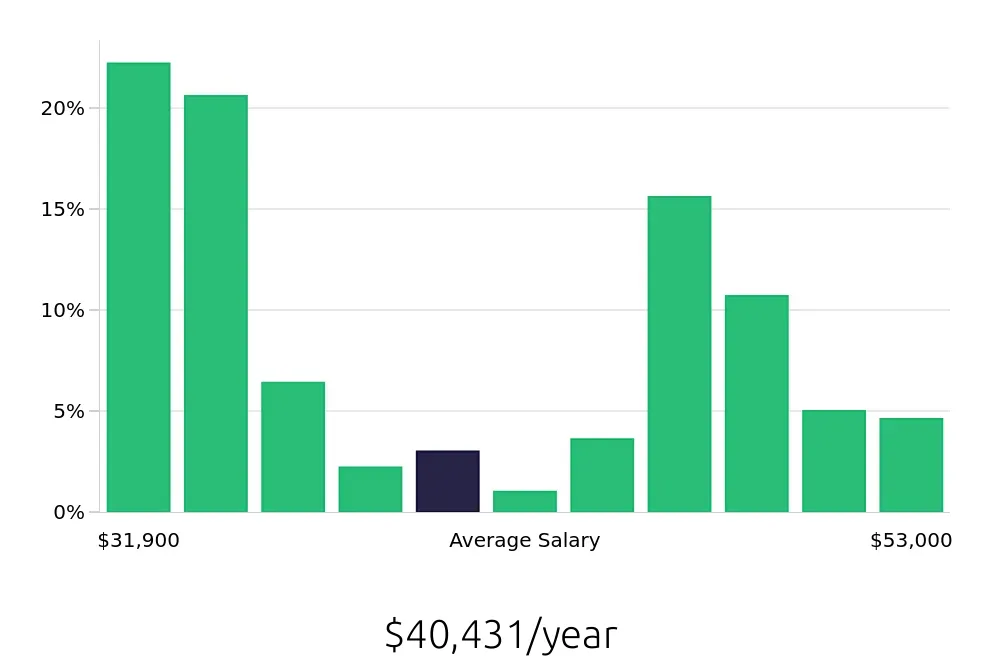
Loss Prevention Detectives enjoy a respectable salary. The BLS states the average annual compensation at $60,270. This figure reflects the dedication and expertise required for the role. Additionally, the average hourly rate is $28.98, showing the value placed on their skills and responsibilities. Competitive pay makes this career attractive to many job seekers.
Interested professionals can look forward to a rewarding career with good growth potential. The combination of steady job openings, promising salary, and rising demand makes this an excellent field to consider. For those looking to make a meaningful impact while securing a stable income, Loss Prevention Detective is a wise choice.
Currently 251 Loss Prevention Detective job openings, nationwide.
Continue to Salaries for Loss Prevention Detective