Position
Overview

What does a Master do?

A Master plays a crucial role in overseeing daily operations within a business. This professional ensures that all processes run smoothly and efficiently. They coordinate with various departments to meet organizational goals. The Master may handle scheduling, resource allocation, and team management. This position often requires strong leadership skills and the ability to motivate others.


Responsibilities of a Master can include setting performance standards and monitoring progress. They analyze data to identify areas for improvement. This role also involves training new employees and providing guidance to existing staff. Effective communication and problem-solving skills are essential. The Master works closely with senior management to align strategies and implement changes. They strive to create a productive and positive work environment.

View Master jobs nearby

How to become a Master?

Becoming a master in your field requires dedication, learning, and experience. This process involves specific steps that lead to expertise. With the right approach, anyone can reach the level of a master.

Here are the key steps to becoming a master:

  1. Choose a field to master: Select a career path that interests you and has potential for growth.
  2. Gain knowledge: Learn everything you can about your chosen field. Attend courses, read books, and stay updated with the latest trends.
  3. Seek mentorship: Find experienced professionals who can guide you. Their advice can help you avoid common mistakes and accelerate your learning.
  4. Practice consistently: Apply your skills regularly. The more you practice, the better you become. Look for opportunities to work on real projects.
  5. Network and collaborate: Connect with other professionals in your field. Collaboration can lead to new ideas and opportunities for growth.

How long does it take to become a Master?

Earning a master's degree usually takes two years after a bachelor's degree. Some programs might need a bit more time. These programs focus on deeper study and practical skills in a chosen field. A master's degree often includes coursework, exams, and a final project or thesis. This path allows someone to gain advanced knowledge and specialized skills. Many careers benefit from this level of education, making it a valuable step for professional growth.

The journey to achieving a Master's degree varies widely depending on the field of study and the individual's pace. Generally, a Master's program lasts about two years of full-time study. Some programs may extend to three years, especially those requiring a thesis or dissertation. Part-time students often take longer, sometimes up to five years, to complete the program.

Factors that influence the duration include the complexity of the subject matter, the depth of research required, and the student's availability. Students must balance coursework, practical components, and research projects. Some programs offer accelerated options for students who have relevant work experience or advanced knowledge. These accelerated programs can reduce the time needed to earn a Master's by several months.

Master Job Description Sample

The Master will oversee operations, ensure quality control, and lead a team to achieve organizational goals.

Responsibilities:

  • Supervise daily operations and ensure they align with company policies and procedures.
  • Develop and implement strategies to improve efficiency and quality.
  • Manage and mentor a team of employees, providing guidance and support.
  • Conduct regular performance evaluations and provide constructive feedback.
  • Ensure compliance with all relevant regulations and standards.

Qualifications

  • Bachelor's degree in a relevant field; advanced degree preferred.
  • Proven experience in a leadership role, preferably in a similar industry.
  • Strong knowledge of management principles and practices.
  • Excellent communication and interpersonal skills.
  • Proficient in project management and problem-solving.

Is becoming a Master a good career path?

Pursuing a career as a master involves leading teams and overseeing projects to ensure they run smoothly and meet goals. This role often requires a balance of technical skills and strong leadership abilities. Individuals in this position manage resources, coordinate tasks, and ensure team members have the tools and support they need. A master's career can offer a sense of fulfillment and significant responsibility. It often involves working in specialized fields such as engineering, construction, or manufacturing.

Choosing this career path comes with its own set of pros and cons. On the positive side, a master enjoys a high level of respect and authority within their field. They often have the opportunity to make critical decisions that impact project outcomes. This role can lead to a higher salary and benefits compared to entry-level positions. Additionally, a master may have the chance to mentor and guide others, fostering professional growth within their team. However, it also means dealing with high levels of stress and pressure. This role requires long hours and may involve working in challenging or hazardous environments. There is also the responsibility of managing others, which can be demanding.

Here are some pros and cons to consider:

  • Pros:
    • High respect and authority
    • Opportunity for critical decision-making
    • Potential for higher salary and benefits
    • Chance to mentor and guide others
  • Cons:
    • High stress and pressure
    • Long working hours
    • Potential for hazardous working conditions
    • Responsibility of managing others

What is the job outlook for a Master?

Job seekers aiming to specialize in a Master's degree have reason to be optimistic. According to the U.S. Bureau of Labor Statistics (BLS), there are about 4,500 job positions available each year for those with a Master’s degree. This number reflects a steady demand for advanced education in various sectors. With the potential for job openings to increase by 1.8% from 2022 to 2032, the outlook looks promising for individuals with this level of education.

Master’s degree holders can expect competitive compensation. The BLS reports an average annual salary of $94,480 for those with this degree. On an hourly basis, the average compensation sits at $45.42. This financial reward underscores the value employers place on advanced academic qualifications. With consistent demand and solid earnings, pursuing a Master’s degree can be a wise career move for job seekers.

Individuals with a Master's degree find opportunities across many fields. Higher education often leads to roles with greater responsibility and more significant decision-making power. With an average of 4,500 job openings annually, the path to advancement remains open. Combining the expected job growth and strong average salary makes a Master's degree a valuable investment for any job seeker.

Currently 1,494 Master job openings, nationwide.

Continue to Salaries for Master

Learn about Master salaries, top-paying cities, and hiring companies. See how much you could earn!
Position
Salary
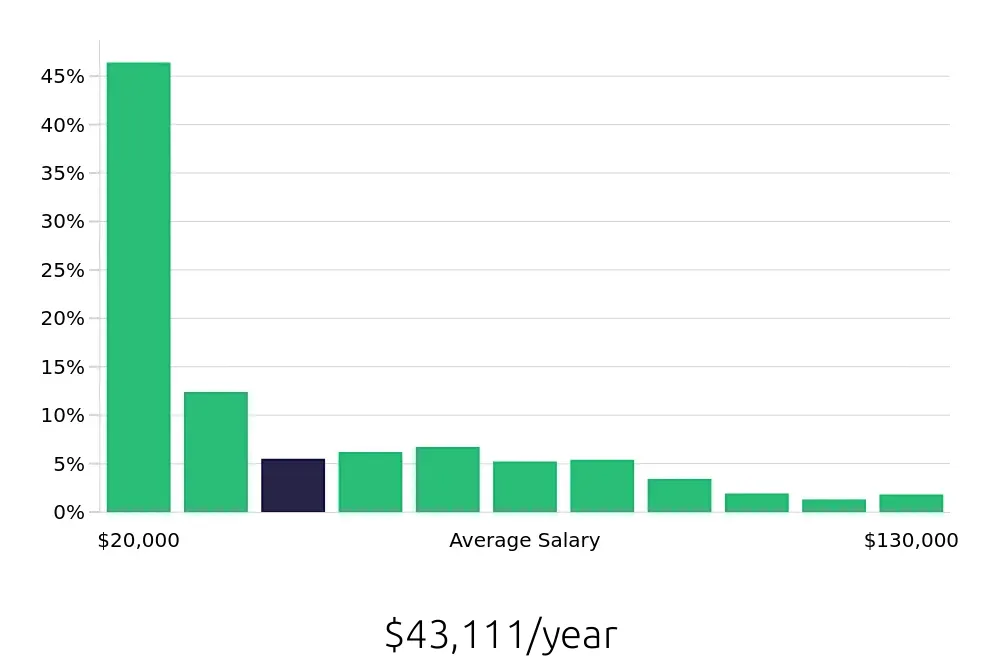
Salaries For Master
Averge salary $41,632 per year
Graph depicting the yearly salary distribution for Master positions, showing an average salary of $41,632 with varying distribution percentages across salary ranges.