Position
Overview
A Material Handler ensures that the flow of goods is smooth and efficient. They move materials around the facility, often using forklifts or pallet jacks. This role requires attention to detail and physical stamina. A Material Handler works closely with warehouse staff and shipping teams to make sure that everything is ready for dispatch. They track inventory levels and manage the storage of goods. This position plays a key part in maintaining the supply chain.
Daily tasks for a Material Handler include unloading delivery trucks, loading goods onto pallets, and stocking shelves. They must follow safety protocols to avoid injuries. A Material Handler must have a strong understanding of logistics and warehouse operations. They often need to lift heavy items and work in different environments, from cold storage to outdoor loading docks. This role demands both physical ability and organizational skills.
Becoming a Material Handler involves a clear and achievable process. This role requires a blend of physical strength and attention to detail. Proper preparation can lead to success in this field. Follow these steps to start a career in material handling.
First, gaining the necessary education is essential. High school diplomas are typically required, although some employers may prefer post-secondary education. This foundational education provides basic skills in reading, writing, and math.
Understanding the timeline to become a material handler can help in career planning. Typically, it takes less than two years to enter this field. Many employers offer on-the-job training, making it a flexible choice. A high school diploma or GED usually suffices for starting. Some find part-time work while completing training, which can speed up the process.
To enhance skills and career prospects, additional training or certifications may be pursued. These steps can vary widely. On-the-job training might last from a few weeks to several months. Certification programs might take from a few days to a few months. This flexibility means people can often start working sooner rather than later. Material handlers play a key role in logistics, making them valuable to many industries.
A Material Handler is responsible for ensuring the proper handling, storage, and movement of materials within a facility. This role involves operating forklifts, pallet jacks, and other material handling equipment to maintain an organized and efficient workflow.
Responsibilities:
Qualifications
A career as a Material Handler offers a dynamic work environment and essential skills that can be valuable in various industries. This role involves moving materials around a facility, ensuring that the right items are in the right place at the right time. It requires coordination and physical strength, making it a practical choice for those who enjoy active work and teamwork.
The job allows for interaction with different departments, promoting communication skills and teamwork. Material Handlers often gain hands-on experience with machinery and logistics, which can open doors to other career opportunities within the supply chain field. Companies value these versatile skills, leading to potential advancement and diverse career paths.
Like any job, being a Material Handler has its pros and cons. Here are some to consider:
By weighing these points, job seekers can decide if this career aligns with their skills, interests, and lifestyle.
Material handlers play a crucial role in many industries, ensuring that goods are moved efficiently. This job offers steady demand, with an average of 76,100 positions available each year, according to the Bureau of Labor Statistics (BLS). Job seekers can find consistent opportunities in various sectors, from manufacturing to warehousing.
The outlook for material handler positions is stable, with a projected change of -8.4% in job openings from 2022 to 2032. While this slight decline suggests a need for caution, the role remains important in logistics and supply chains. Professionals in this field can expect to see opportunities that match their skills and experience.
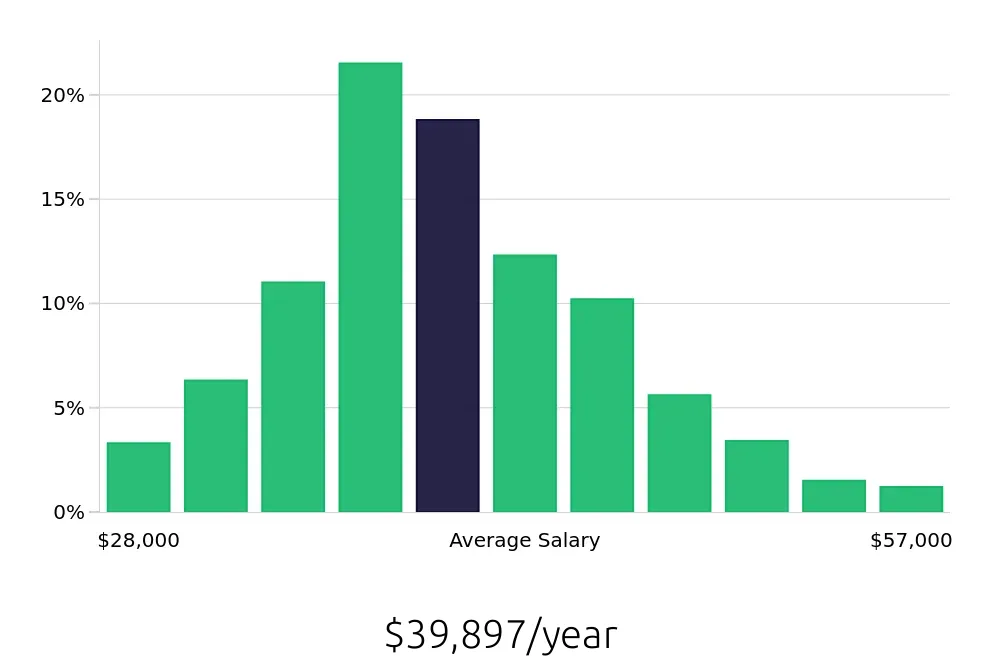
The average annual compensation for material handlers stands at $42,730, with an hourly rate of $20.54, as reported by the BLS. This compensation reflects the essential nature of the job, where handling and moving materials are key tasks. Job seekers can anticipate fair pay that aligns with their contributions to the industry.