What does a Mental Health Professional do?
A Mental Health Professional provides essential services to support individuals facing mental health challenges. This role involves assessing patients' mental health, developing treatment plans, and offering counseling. Professionals in this field may work with individuals, families, or groups. They use various therapeutic techniques to help their clients manage their mental health conditions. These can include cognitive-behavioral therapy, psychodynamic therapy, and other evidence-based practices.
The responsibilities of a Mental Health Professional vary by setting. In a clinical environment, they conduct evaluations and provide individual and group therapy sessions. They may also coordinate care with other healthcare providers. In schools, they work with students, teachers, and parents to support mental health. In community settings, they provide outreach and education on mental health topics. This role requires strong communication skills, empathy, and a commitment to helping others. Professionals must stay updated on the latest research and best practices in mental health treatment.
How to become a Mental Health Professional?
Becoming a mental health professional can lead to a rewarding career. It involves a series of steps designed to equip individuals with the necessary knowledge and skills. The journey starts with acquiring relevant education and ends with obtaining professional licensure. Each step plays a crucial role in shaping competent and empathetic professionals.
To begin this career path, one must first earn a bachelor’s degree in a related field such as psychology, social work, or counseling. This foundational education provides essential knowledge about human behavior and mental health theories. Following this, obtaining a master’s degree in a specialized area like clinical psychology or mental health counseling is vital. During the master’s program, students often complete internships or supervised clinical hours, gaining practical experience under professional guidance.
- Earn a Bachelor's Degree: Start with a degree in psychology, social work, or a related field.
- Complete a Master's Degree: Gain advanced education in mental health counseling or clinical psychology.
- Complete Internships: Gain practical experience through supervised clinical hours during the master’s program.
- Obtain Licensure: Meet the state's requirements for licensure, which often includes passing a licensing exam.
- Continue Professional Development: Stay updated with ongoing education and training to maintain licensure and improve skills.
After completing the educational requirements, the next step involves obtaining licensure. This process includes passing a state-mandated licensing exam. Continuing professional development is essential. Mental health professionals must engage in ongoing education and training to maintain their licensure and enhance their skills. This commitment to lifelong learning ensures they remain effective in their roles.
How long does it take to become a Mental Health Professional?
Pursuing a career in mental health requires dedication and a clear understanding of the journey ahead. The path often starts with a bachelor's degree in psychology, sociology, or a related field. This foundational degree typically takes about four years to complete. After earning the bachelor's degree, the next step involves graduate education. Most mental health professionals need a master’s degree, which usually takes an additional two years. Some roles, like clinical psychologists, require a doctoral degree, adding another two to seven years to the timeline, depending on the specialization and research requirements.
During these educational phases, students gain essential knowledge and practical experience through internships and supervised clinical hours. Licensing and certification also play a key role in the timeline. After completing the necessary education and supervised experience, professionals must pass state-specific licensing exams. These exams can vary by state, and the time to pass them can range from a few months to a couple of years, depending on individual study habits and exam schedules. Ensuring compliance with all licensing requirements is crucial to legally practicing as a mental health professional.
Mental Health Professional Job Description Sample
A Mental Health Professional is responsible for assessing, diagnosing, and treating mental health conditions in individuals. They provide therapeutic support, develop treatment plans, and collaborate with other healthcare providers to ensure comprehensive care.
Responsibilities:
- Conduct assessments to evaluate clients' mental health status.
- Develop and implement individualized treatment plans based on client needs.
- Provide counseling and psychotherapy to individuals, groups, or families.
- Monitor and document clients' progress and adjust treatment plans as necessary.
- Collaborate with other healthcare professionals to provide integrated care.
Qualifications
- A Master's degree in Social Work, Counseling, Psychology, or a related field.
- State licensure or certification as required by the state.
- Experience in a clinical setting, preferably with diverse populations.
- Strong clinical and diagnostic skills.
- Excellent communication and interpersonal skills.
Is becoming a Mental Health Professional a good career path?
A career as a Mental Health Professional offers a fulfilling path to helping others. This role involves supporting people with mental health challenges, providing therapy, and working in various settings like hospitals, schools, and private practices. Working in this field allows professionals to make a meaningful impact on individuals’ lives. A career as a Mental Health Professional can be both rewarding and challenging.
Pursuing this career comes with its own set of advantages and disadvantages. On the positive side, it offers opportunities for personal growth and job stability. Professionals often build strong relationships with clients, leading to deep, rewarding interactions. The job allows for flexibility in work environments, from schools to private practices. However, it also comes with challenges such as emotional stress and long working hours. Professionals may face burnout if not managed well. The need for continuous education to stay updated on best practices adds another layer to this demanding yet fulfilling career.
Here are some pros and cons to consider:
- Pros:
- Helping others improve their mental health
- Job stability and growth opportunities
- Flexibility in work environments
- Potential for personal fulfillment and impact
- Cons:
- Emotional stress and potential for burnout
- Long and irregular working hours
- Need for continuous education and training
- Challenges in managing difficult clients
What is the job outlook for a Mental Health Professional?
Mental Health Professionals have a promising job outlook. The Bureau of Labor Statistics (BLS) reports around 12,800 job positions available each year. This means plenty of chances for those who want to enter this rewarding field. Opportunities will likely grow even more over the next decade. The BLS predicts a 6.1% increase in job openings from 2022 to 2032. This steady growth shows that demand for mental health services is on the rise.
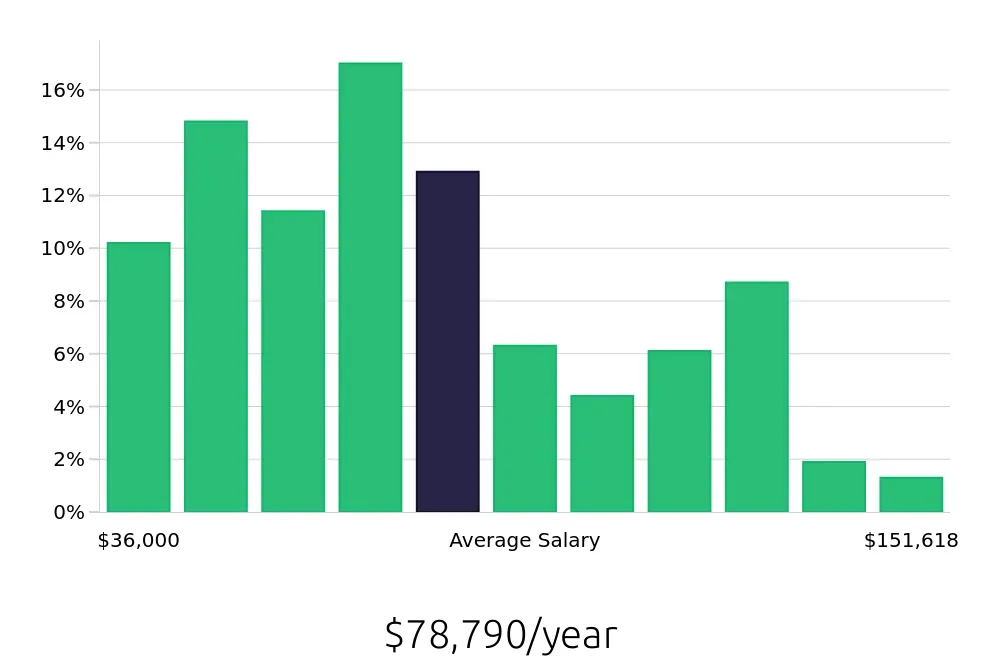
Earnings for Mental Health Professionals are quite attractive as well. The BLS reports an average national annual compensation of $101,170. This figure highlights the financial benefits of pursuing a career in this field. Additionally, the average national hourly compensation stands at $48.64, reflecting the value placed on the skills and expertise of these professionals. Such compensation figures make this career an appealing choice for those considering their next career move.
For job seekers, the combination of robust job availability and competitive pay makes a career as a Mental Health Professional very attractive. The growing demand for mental health services and the solid earnings potential offer both stability and growth opportunities. Those entering this field can expect a rewarding career with good job prospects and attractive compensation.
Currently 717 Mental Health Professional job openings, nationwide.
Continue to Salaries for Mental Health Professional