Position
Overview

What does a Mig Welder do?

A Mig welder operates welding equipment to join materials together. This role requires precision and attention to detail to ensure the quality of the welds. The welder sets up the welding machine and adjusts the settings to match the materials being used. They also prepare the materials by cleaning and fitting them together. Once ready, the welder executes the weld by guiding the welding torch along the joint. After the weld cools, the welder inspects it for any flaws or defects. This process ensures that the final product meets the required standards.

The Mig welder works closely with other team members to complete projects on time. They must follow safety protocols to protect themselves and others from harm. This includes wearing appropriate protective gear and ensuring the work area is safe. Communication skills are important, as the welder often needs to explain their work to others. Attention to detail helps the welder produce high-quality results that meet or exceed expectations.

View Mig Welder jobs nearby

How to become a Mig Welder?

Becoming a MIG welder can lead to a rewarding career in a field that is always in demand. MIG welding, or Metal Inert Gas welding, is a popular method used in various industries such as construction, automotive, and manufacturing. The journey to becoming a skilled MIG welder involves several steps that require dedication and practice.

Start by learning the basics of welding. Understanding the different types of welding and their uses can provide a solid foundation. This knowledge will help in grasping the intricacies of MIG welding. Attend workshops or enroll in a welding program at a vocational school. Such programs offer hands-on experience and teach essential skills needed for a career in welding.

  1. Study and Understand: Learn about MIG welding equipment and safety procedures. Knowing how to use the tools and follow safety protocols is crucial.
  2. Gain Experience: Practice welding on scrap metal. This hands-on experience helps in developing the necessary skills and confidence.
  3. Seek Certification: Obtain a welding certification. This credential can open more job opportunities and show employers your commitment to the profession.
  4. Network with Professionals: Join welding associations or online forums. Networking can provide job leads and insights into the industry.
  5. Continue Learning: Stay updated with the latest techniques and technologies in welding. Continuous learning is key to a successful career.

How long does it take to become a Mig Welder?

Many employers look for MIG welders with at least a high school diploma or equivalent. A vocational program adds value. This training usually lasts one to two years. Practical experience strengthens skills. Many welders gain this through apprenticeships. These programs combine on-the-job training with classroom learning. They can take between three to five years to complete. Throughout this time, welders learn essential techniques. They also gain the ability to read blueprints and understand safety protocols.

The journey to becoming a MIG welder varies based on individual goals and the type of training chosen. For those interested in entering the field quickly, a certificate program offers a practical and focused path. These programs typically last between 3 to 6 months. During this time, students learn essential welding techniques and safety practices.

For those aiming for a more comprehensive education, a two-year associate degree provides a deeper dive into the craft. This includes both classroom instruction and hands-on experience. The blend of theory and practice helps students gain a thorough understanding of welding principles. Both options lay a solid foundation for a successful career in MIG welding.

Mig Welder Job Description Sample

We are seeking a skilled MIG welder to join our team. The ideal candidate will have experience in welding using a MIG welder and will be responsible for performing various welding tasks to meet production requirements.

Responsibilities:

  • Operate MIG welder to join materials according to specifications.
  • Read and interpret blueprints, sketches, and technical instructions.
  • Ensure welds meet quality standards and specifications.
  • Set up and adjust welding equipment as required.
  • Perform routine maintenance on welding tools and equipment.

Qualifications

  • High school diploma or equivalent required; technical training preferred.
  • Minimum of 2 years of experience as a MIG welder.
  • Proficient in reading and interpreting blueprints and technical drawings.
  • Knowledge of welding techniques and principles.
  • Strong attention to detail and ability to work with precision.

Is becoming a Mig Welder a good career path?

A career as a MIG welder offers a rewarding path for those skilled in welding techniques. MIG welding, or Metal Inert Gas welding, is a popular method due to its efficiency and versatility. This career opens doors in various industries, including construction, automotive, and manufacturing. Employers often value MIG welders for their precision and ability to complete tasks quickly.

Starting as a MIG welder typically requires a high school diploma or equivalent. Many find apprenticeships or vocational training helpful. These programs provide hands-on experience and industry certifications, boosting employability. Experience and skill can lead to higher-paying positions and opportunities for advancement.

Choosing this career has its pros and cons. One major advantage is job stability. Skilled welders are in demand across many industries. Another benefit is the potential for good pay. Experienced welders can earn competitive wages. Additionally, the work offers a hands-on approach, making it ideal for those who enjoy practical tasks.

However, the job has its challenges. The work environment can be physically demanding and sometimes hazardous. Welders must wear protective gear and follow safety protocols. The job can also be repetitive, which may not suit everyone. Despite these challenges, many find the career fulfilling and satisfying.

  1. Pros:
    • Job stability and demand
    • Potential for good pay
    • Hands-on work
  2. Cons:
    • Physical demands and safety risks
    • Repetitive nature of the work
    • Need for protective gear

What is the job outlook for a Mig Welder?

The job outlook for MIG welders looks promising for those seeking steady employment. The Bureau of Labor Statistics (BLS) reports that there are, on average, 45,400 job positions available each year. This consistent demand for MIG welders shows that they are a vital part of many industries.

Looking ahead, the BLS also indicates a projected 0.7% change in job openings for MIG welders from 2022 to 2032. This slight increase suggests a stable job market for skilled welders. Job seekers can expect to find opportunities in manufacturing, construction, and repair services, among other fields.

MIG welders can also look forward to competitive compensation. The BLS reports an average national annual salary of $52,240. On an hourly basis, the average compensation stands at $25.12. These figures reflect the value and expertise that MIG welders bring to their employers, making it a rewarding career choice.

Currently 1,291 Mig Welder job openings, nationwide.

Continue to Salaries for Mig Welder

Learn about Mig Welder salaries, top-paying cities, and hiring companies. See how much you could earn!
Position
Salary
Salaries For Mig Welder
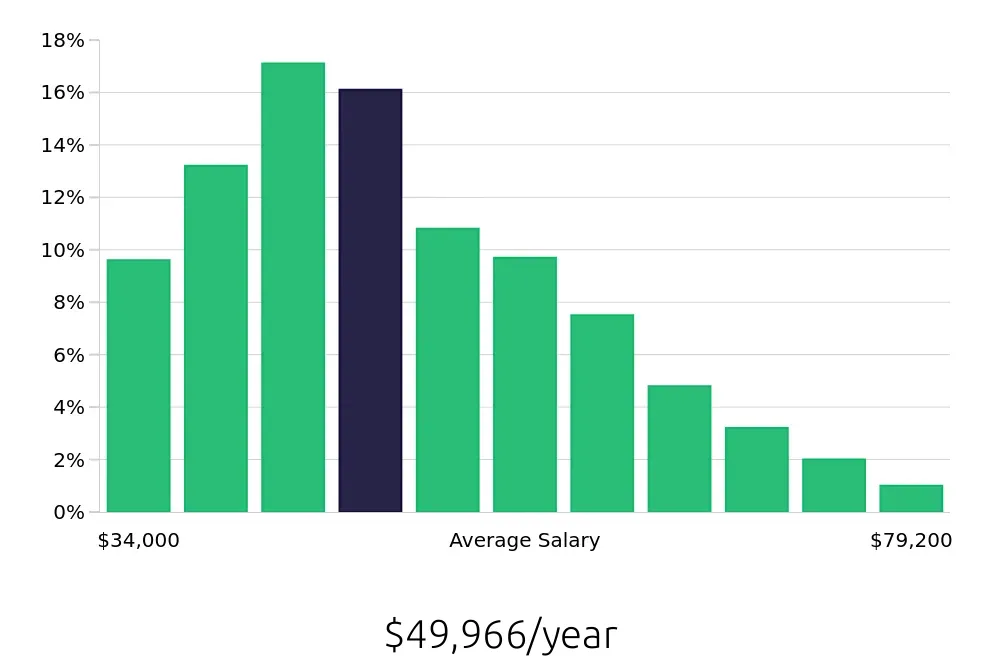
Averge salary $49,966 per year
Graph depicting the yearly salary distribution for Mig Welder positions, showing an average salary of $49,966 with varying distribution percentages across salary ranges.