What does a Nurse Practitioner do?
A Nurse Practitioner (NP) plays a vital role in healthcare, blending advanced nursing with medical skills. They assess patients, diagnose conditions, and develop treatment plans. NPs often work in clinics, hospitals, and private practices. They collaborate closely with doctors and other healthcare professionals to ensure comprehensive patient care.
NPs handle many tasks that doctors do. They perform physical exams, prescribe medications, and manage patient care. They also educate patients about their health, helping them make informed decisions. NPs can specialize in areas like family health, pediatrics, or gerontology, allowing them to focus on specific patient needs. Their work enhances access to healthcare, especially in underserved areas.
- Assess patients through exams and tests.
- Diagnose health conditions and illnesses.
- Develop and manage treatment plans.
- Prescribe medications and treatments.
- Educate patients on health and wellness.
- Work in various healthcare settings.
- Collaborate with other healthcare providers.
How to become a Nurse Practitioner?
Becoming a nurse practitioner involves several steps. It begins with earning a nursing degree and gaining experience in the field. Follow these steps to start your journey.
Aspiring nurse practitioners should first complete an accredited nursing program. This usually means earning a Bachelor of Science in Nursing (BSN). Many schools offer BSN programs that take about four years to complete. Programs include classroom instruction and clinical practice. After graduating, one must pass the NCLEX-RN exam to become a registered nurse (RN).
- Gain experience: Work as an RN for at least one to two years. Experience in a specialty area can be beneficial.
- Earn a Master's Degree: Enroll in a Master of Science in Nursing (MSN) program. This degree prepares individuals for advanced practice roles.
- Specialize: Choose a specialty, such as family, pediatrics, or gerontology. This step often involves additional coursework and clinical hours.
- Pass the certification exam: Take and pass the certification exam from a recognized body, such as the American Nurses Credentialing Center (ANCC) or the American Academy of Nurse Practitioners (AANP).
- Obtain a license: Apply for a nurse practitioner license in the state where one plans to work. Requirements vary by state but usually include the certification exam results and proof of education and experience.
Following these steps can lead to a rewarding career as a nurse practitioner. This path requires dedication and hard work, but the opportunity to make a difference in patient care makes it worthwhile.
How long does it take to become a Nurse Practitioner?
Interested in a career as a Nurse Practitioner? This rewarding profession requires dedication and the right education. The journey starts with a Bachelor of Science in Nursing (BSN), which typically takes four years to complete. After earning a BSN, the next step is gaining experience as a Registered Nurse (RN). This usually takes one to two years, depending on the location and healthcare facility.
After gaining experience as an RN, the next step involves earning a Master of Science in Nursing (MSN). This program usually takes two to three years. Nurse Practitioners must also pass the national certification exam to become licensed. The length of time for this can vary, but most candidates complete the certification process within a year. Completing all these steps leads to a fulfilling career as a Nurse Practitioner.
Nurse Practitioner Job Description Sample
We are seeking a dedicated and compassionate Nurse Practitioner to join our healthcare team. The ideal candidate will provide high-quality patient care, collaborate with other healthcare professionals, and ensure the well-being of our patients.
Responsibilities:
- Perform comprehensive patient assessments and develop individualized care plans.
- Diagnose and treat acute and chronic medical conditions.
- Order, perform, and interpret diagnostic tests.
- Prescribe medications and other therapeutic interventions.
- Provide patient education and counseling on health maintenance and disease prevention.
Qualifications
- Master’s degree in Nursing (MSN) and current Nurse Practitioner certification.
- State licensure as a Nurse Practitioner.
- At least 2 years of clinical experience in a related field.
- Strong clinical and diagnostic skills.
- Excellent communication and interpersonal skills.
Is becoming a Nurse Practitioner a good career path?
The career path of a Nurse Practitioner (NP) offers many rewarding opportunities. NPs work closely with doctors and other healthcare providers to care for patients. They diagnose illnesses, order tests, and provide treatment. This role combines clinical skills with leadership. NPs often find themselves in various settings like hospitals, clinics, or private practices. They can specialize in areas such as pediatrics, geriatrics, or family health.
Becoming an NP has its pros and cons. On the positive side, NPs enjoy high demand and good job stability. They have the chance to make a real difference in people's lives. NPs also have the flexibility to work in different environments. However, the job can be demanding. Long hours and high stress are common challenges. NPs must also complete extensive education and training. This includes a bachelor’s degree in nursing, followed by a master’s or doctoral degree. Additionally, they must pass a certification exam to practice.
Here are some pros and cons to consider:
- Pros:
- High job demand and stability
- Opportunities to work in various healthcare settings
- Ability to specialize in different areas of healthcare
- Opportunities for professional growth and advancement
- Cons:
- Long and demanding work hours
- High levels of stress
- Extensive education and training required
- Need to pass a certification exam
What is the job outlook for a Nurse Practitioner?
The job outlook for Nurse Practitioners is very promising, with the Bureau of Labor Statistics (BLS) reporting an average of 26,300 job positions each year. This steady demand indicates a consistent need for healthcare professionals who can provide advanced care. With such robust job availability, Nurse Practitioners find numerous opportunities across various healthcare settings, including hospitals, clinics, and private practices.
The BLS also projects a significant percent change in job openings for Nurse Practitioners from 2022 to 2032, at 44.5%. This growth suggests an increasing demand for healthcare services and an expanding role for Nurse Practitioners in the medical field. The rise in healthcare needs due to an aging population and the desire for accessible medical care will likely continue to drive this growth. Job seekers can look forward to a wide range of roles and responsibilities as the healthcare sector evolves.
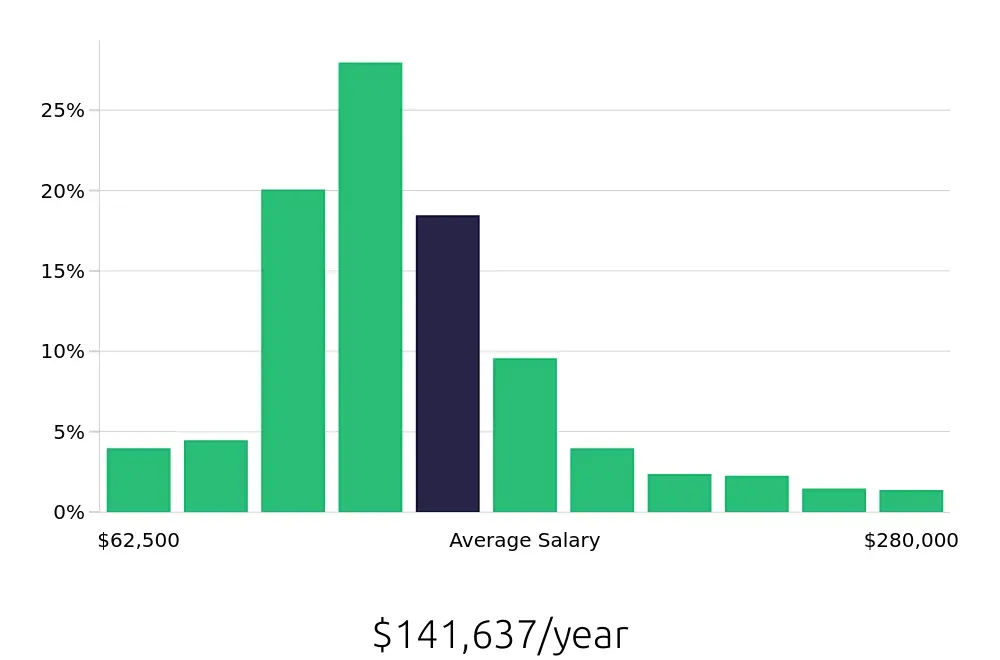
In terms of compensation, Nurse Practitioners enjoy a competitive salary. The BLS reports an average national annual compensation of $128,490. Hourly, this translates to approximately $61.78. These figures reflect the value placed on the skills and expertise of Nurse Practitioners in the healthcare industry. With such attractive earnings, Nurse Practitioners can expect a rewarding career that balances professional satisfaction with financial stability.
Currently 6,708 Nurse Practitioner job openings, nationwide.
Continue to Salaries for Nurse Practitioner