What does a Officer do?
An Officer plays a vital role in maintaining safety and order in various settings. They ensure rules and regulations are followed to protect people and property. Officers patrol areas, respond to emergencies, and investigate incidents. They work closely with other law enforcement professionals to provide effective security.
Key responsibilities include enforcing laws, arresting offenders, and providing assistance to those in need. Officers also prepare detailed reports and testify in court when necessary. Communication skills are essential, as Officers must interact with the public, other officers, and other agencies. Physical fitness and problem-solving skills are important for this role. An Officer's dedication to service helps create a safer community.
How to become a Officer?
Becoming a police officer can be a rewarding career choice. It requires dedication, training, and a commitment to serving the community. This process involves several key steps that lead to a fulfilling career in law enforcement.
First, a candidate must meet basic eligibility requirements. Most agencies require a high school diploma or GED. Some positions also demand a college degree. Meeting these criteria is essential to start the journey.
- Get a Diploma: Ensure you have a high school diploma or GED. Some agencies prefer or require a college degree.
- Pass Physical Tests: Agencies conduct physical fitness tests. These tests assess strength, endurance, and agility.
- Complete a Training Program: Enroll in a police academy. This program includes courses on law, ethics, and practical skills.
- Gain Field Experience: Work under the supervision of a senior officer. This experience helps to apply what has been learned in the academy.
- Obtain Certification: Some states require officers to get certified. This may include passing written exams and background checks.
These steps provide a clear path to becoming a police officer. Each step requires hard work and dedication. By following these steps, candidates can prepare for a career in law enforcement and make a positive impact on their communities.
How long does it take to become a Officer?
A career as a police officer offers many rewards. It involves serving the community, ensuring safety, and contributing to law enforcement. The time it takes to become a police officer can vary. This depends on the path and qualifications chosen. Generally, most officers complete their training within a few months to a year.
First, individuals often need a high school diploma or GED. Many choose to earn an associate's or bachelor's degree in criminal justice or a related field. This can take two to four years. After completing education, aspiring officers must go through a police academy. These programs last several months. They teach necessary skills and knowledge. Some departments prefer or require candidates to have some college education or military experience. This can influence the timeline. After the academy, officers complete on-the-job training. This real-world experience lasts several months to a year. It ensures new officers are ready to serve the community.
Officer Job Description Sample
A Police Officer is responsible for maintaining public order, enforcing laws, and ensuring the safety and security of the community. This role involves patrolling assigned areas, responding to emergencies, conducting investigations, and providing assistance to individuals in need.
Responsibilities:
- Patrol assigned areas to prevent and detect criminal activity.
- Respond to emergency and non-emergency calls for service.
- Investigate incidents such as accidents, disturbances, and crimes.
- Prepare detailed reports of incidents and observations.
- Enforce traffic and municipal regulations.
Qualifications
- High school diploma or equivalent required; bachelor's degree in criminal justice or related field preferred.
- Completion of a police academy training program.
- Possession of a valid driver's license and a clean driving record.
- Strong communication, interpersonal, and problem-solving skills.
- Ability to handle stressful situations and make quick decisions under pressure.
Is becoming a Officer a good career path?
The role of an officer can be rewarding, offering numerous opportunities to make a tangible difference in the community. This profession allows for a dynamic work environment, where every day presents new challenges. Officers often find satisfaction in serving and protecting the public, which can be deeply fulfilling. Their work can directly impact safety and security, which adds a sense of purpose to the job.
Working as an officer offers many benefits. For one, the career can provide a strong sense of community and teamwork. Officers often work closely with other law enforcement agencies and community members. This role can also offer job stability and a clear career path with opportunities for advancement. Training and professional development are often available, helping officers grow and improve their skills over time.
However, this career path also comes with some challenges. The nature of the job can be stressful, with officers often facing dangerous and unpredictable situations. The emotional toll of the work can be significant, as officers may witness traumatic events. Additionally, the job requires long and irregular hours, which can interfere with personal life and family time.
- Pros:
- Opportunity to make a positive impact on the community
- Job stability and potential for advancement
- Teamwork and community involvement
- Access to training and professional development
- Cons:
- Stressful and dangerous working conditions
- Emotional toll of witnessing traumatic events
- Long and irregular hours
- Potential for conflict with the community
What is the job outlook for a Officer?
Officer roles remain a vital component within various sectors, ensuring the safety and efficiency of operations. The Bureau of Labor Statistics (BLS) reports an average of 63,800 job positions available annually, showcasing a stable demand in this field. Job seekers can look forward to a positive job outlook, with a projected growth rate of 7.4% from 2022 to 2032. This steady increase suggests a promising future for those entering or considering a career as an officer.
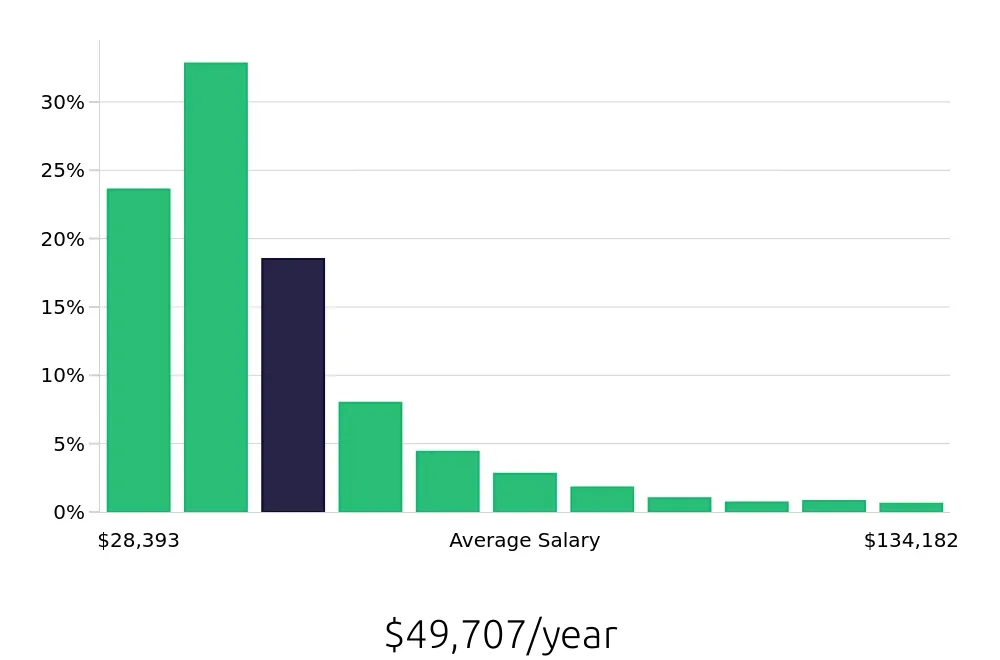
In terms of compensation, officers can expect a competitive salary. The BLS reports an average national annual compensation of $62,880, reflecting the value and importance of this profession. Additionally, the average hourly compensation stands at $30.23, providing a clear picture of the earnings potential in this role. These figures highlight the financial incentives that come with pursuing a career as an officer, making it an attractive option for many job seekers.
For those looking to advance their career, the officer role offers various opportunities for growth. The consistent demand for officers, combined with the potential for salary increases and professional development, makes this a rewarding career path. Job seekers can find stability and growth in this profession, with the BLS data pointing to a bright future.
Currently 883 Officer job openings, nationwide.
Continue to Salaries for Officer