What does a Operator do?
An operator plays a crucial role in many industries by running and overseeing the machinery and equipment in a facility. They ensure that machines function smoothly and efficiently. Operators monitor gauges, dials, and tells to adjust the settings as needed. This role involves maintaining the cleanliness and order of the work area. Operators report any malfunctions or problems to their supervisors and follow safety protocols to avoid accidents. They may also perform routine maintenance tasks.
Operators need to have a keen eye for detail and strong problem-solving skills. They often work in shifts, including nights and weekends, to ensure continuous production. Attention to detail and the ability to follow instructions are essential. This role requires physical stamina and the ability to work in various conditions, such as high temperatures or loud noise levels. Operators must also be able to work well both independently and as part of a team.
How to become a Operator?
Becoming an operator can lead to a rewarding and stable career in many industries. This role involves using and overseeing machinery and equipment. It is important to follow the right steps to prepare for this job.
Here are the steps to become an operator:
- Get the right education: Most employers require a high school diploma or equivalent. Some technical positions may ask for vocational training or a college degree.
- Learn about the equipment: Study the machinery and tools used in your field. Understand how they work and the safety procedures.
- Gain experience: Look for entry-level jobs or internships. This hands-on experience is valuable for learning the skills needed.
- Develop safety skills: Safety is important in this job. Take courses or training on safety practices and procedures.
- Get certified: Some areas require special licenses or certifications. Check the requirements in your region.
Follow these steps to start your journey as an operator. With the right preparation, you can build a successful career in this field.
How long does it take to become a Operator?
Many jobs require different paths to reach a professional level. The timeline for becoming an operator varies by industry and the specific type of operator role. Generally, the journey can range from a few months to several years. For instance, becoming a forklift operator often takes a few weeks through a training course. This leads to a certification that allows entry into entry-level positions.
In fields like telecommunications, the path can be longer. It might involve several years of education and practical experience. Operators in this industry often start with an associate’s degree or vocational training. They then gain hands-on experience through internships or entry-level roles. Each step builds the skills needed for more advanced responsibilities. This structured approach helps ensure operators are well-prepared to handle their duties effectively. The combination of education, training, and experience forms a solid foundation for a successful career.
Operator Job Description Sample
The Operator will be responsible for overseeing the day-to-day operations of a production or manufacturing facility, ensuring that all processes run smoothly and efficiently while adhering to safety and quality standards.
Responsibilities:
- Monitor and control equipment to ensure efficient operation.
- Perform routine checks and maintenance on machinery to prevent breakdowns.
- Ensure all safety protocols and guidelines are followed at all times.
- Maintain accurate records of production, maintenance, and quality control data.
- Collaborate with other departments to coordinate production schedules and address any issues.
Qualifications
- High school diploma or equivalent required; technical or vocational training preferred.
- Proven experience in a similar operator role, preferably in a manufacturing or production environment.
- Knowledge of machinery, tools, and the principles of production.
- Strong understanding of safety procedures and quality control standards.
- Ability to read and interpret technical drawings, manuals, and operating instructions.
Is becoming a Operator a good career path?
An operator role offers a mix of skills and responsibilities that cater to various industries, from manufacturing to telecommunications. This career path involves managing machinery, controlling processes, and ensuring safety standards are met. Operators must pay attention to detail and often work in shifts, which can be a plus for those who enjoy variety in their workday. Many operators start with on-the-job training and can advance with experience and certifications.
Choosing this career path has its advantages and disadvantages. On the positive side, operators often enjoy stable employment due to the demand for skilled workers across many sectors. Physical tasks can be appealing to those who prefer hands-on work. Many companies also provide ongoing training, which can lead to career growth. However, some operators may face physically demanding or hazardous conditions, which requires careful consideration. Shift work can also disrupt personal life, making it hard to maintain a work-life balance. Understanding these pros and cons helps in making an informed decision about pursuing a career as an operator.
When looking at the pros and cons of being an operator, it's important to consider the following:
- Pros:
- Stable employment opportunities
- On-the-job training available
- Opportunities for career advancement
- Cons:
- Physically demanding or hazardous conditions
- Potential for shift work
- Need for ongoing training and certification
What is the job outlook for a Operator?
Finding a stable and rewarding career is important for many job seekers. Becoming an operator offers a promising job outlook. The Bureau of Labor Statistics (BLS) reports an average of 3,200 job positions available each year. This steady demand shows that operators are needed in various industries. With the right skills and experience, operators can enjoy a secure career path.
The job outlook for operators is positive. BLS data projects a 10% decrease in job openings from 2022 to 2032. This change suggests a stable job market. While there might be fewer job openings, the demand for skilled operators remains strong. This stability offers job security and the chance to build a lasting career. Operators with the right qualifications can expect to find employment opportunities for years to come.
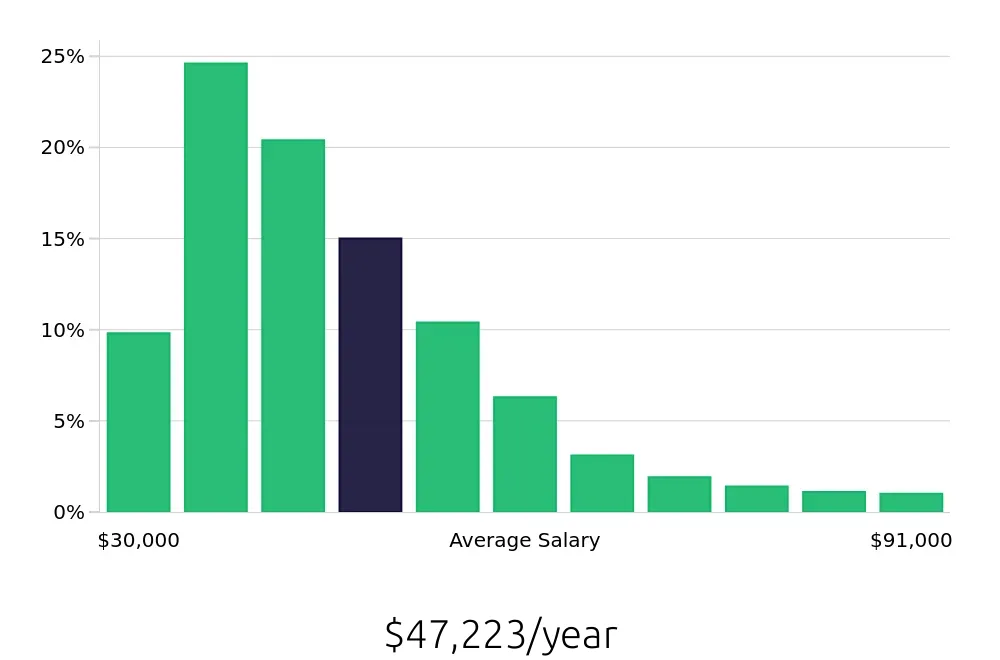
Operators enjoy a competitive salary. The BLS reports an average national annual compensation of $98,190. This figure reflects the value of the skills and responsibilities operators bring to their roles. On an hourly basis, the average compensation stands at $47.21. This pay reflects the importance of operators in maintaining efficient operations across various sectors. A career as an operator not only offers job stability but also the potential for a rewarding salary.
Currently 3,132 Operator job openings, nationwide.
Continue to Salaries for Operator