What does a Optician do?
An optician fits and adjusts eyeglasses and contact lenses. They work with patients to understand their vision needs. They measure the eyes, take prescription details, and help choose frames. Opticians also make sure that the lenses work well with the patient's vision. They explain how to care for eyewear and ensure everything is comfortable and looks good. Opticians need a keen eye for detail and strong customer service skills.
In this role, opticians help people see better. They use special tools to measure the eyes and use computers to design lenses. Opticians also adjust lenses to make sure they fit perfectly. They provide advice on choosing stylish and practical frames. Opticians must keep up with the latest technology and trends in eyewear. They often work in optical stores, but some may work in eye care clinics or hospitals. The goal is to ensure that each patient leaves with the best possible vision correction.
How to become a Optician?
Becoming an optician opens a path to a rewarding career where one can help people see clearly and improve their quality of life. This profession requires a blend of technical skills, customer service abilities, and a keen eye for detail. Following a structured approach can help anyone interested in this field achieve their goal efficiently.
Below are five essential steps to becoming an optician:
- Pursue High School Education or Equivalent: The journey begins with obtaining a high school diploma or GED. Courses in math and science will be particularly beneficial.
- Complete Optician Training Program: Enroll in an accredited optician training program. These programs typically last from six months to two years and cover topics like eye anatomy, lens measurement, and customer service.
- Gain Practical Experience: Find internships or apprenticeships with practicing opticians. This hands-on experience is crucial to learning the practical aspects of the job.
- Obtain Certification: After training, gaining certification can enhance job prospects. Certification requirements vary by state but often involve passing an exam.
- Find Employment: Apply for positions in optical shops, retail stores, or eye care clinics. Networking and internships can lead to job opportunities.
Each step plays a vital role in preparing a future optician to provide excellent service and care to clients. By following these steps, aspiring opticians can build a successful and fulfilling career in the eye care industry.
How long does it take to become a Optician?
Interested in a career as an optician? This rewarding job involves helping people see better. It requires training and experience. Most opticians complete their education in about two years. Many attend a community college or a technical school. These programs offer hands-on training and classroom instruction.
Programs typically cover several key areas. Students learn about eye anatomy, eye diseases, and how to fit and adjust eyewear. Some programs also include courses in business practices, customer service, and sales. Completing these courses prepares students for a career in this field. Graduates may find jobs in optical shops, eye care clinics, and retail stores. With the right training, opticians can start their careers and help people see the world more clearly.
Optician Job Description Sample
We are seeking a highly skilled and detail-oriented Optician to join our team. The ideal candidate will have a passion for eye care and a commitment to providing excellent customer service. This role involves fitting and adjusting eyeglasses and contact lenses, conducting eye tests, and maintaining accurate patient records.
Responsibilities:
- Fit and adjust eyeglasses and contact lenses to ensure proper fit and comfort for patients.
- Conduct eye tests and evaluate patients' visual needs and requirements.
- Assist patients in selecting suitable eyewear based on their prescription and preferences.
- Maintain detailed and accurate patient records, ensuring compliance with all relevant regulations.
- Educate patients on the proper care and use of their eyewear.
Qualifications
- Diploma or degree in opticianry or a related field.
- Valid optician license and certification to practice in the relevant jurisdiction.
- Proven experience as an optician or in a similar role.
- Strong understanding of optical principles, lens types, and frame styles.
- Excellent attention to detail and precision in fitting and adjusting eyewear.
Is becoming a Optician a good career path?
Working as an optician offers a blend of technical skill and customer service. This role involves helping people find the right glasses or contact lenses. Opticians fit frames, lenses, and other eyewear to suit individual needs. They work closely with optometrists and ophthalmologists to ensure correct prescriptions. This job appeals to those who enjoy problem-solving and interacting with people.
Choosing this career path has its pros and cons. One key benefit is the opportunity to help others improve their vision and confidence. It also offers a stable job with consistent demand in healthcare. However, opticians may work long hours, including weekends. The job requires precision, which can be stressful. It also involves a lot of standing and manual tasks, which may strain the body over time.
Here are some more details to consider:
- Pros:
- Helps improve people's quality of life
- Stable employment in healthcare
- Variety of work settings, including retail stores and clinics
- Opportunities for career advancement or specialization
- Cons:
- May involve long hours, including evenings and weekends
- Requires precision and attention to detail
- Can be physically demanding with lots of standing and manual tasks
- Limited opportunities for significant salary growth compared to other professions
What is the job outlook for a Optician?
Optical jobs show a steady growth in demand, offering a promising career path for job seekers. The Bureau of Labor Statistics (BLS) reports about 6,400 job positions available each year. This trend suggests a consistent flow of opportunities in the optical industry.
Job outlook for opticians looks positive, with a projected 2.7% increase in openings from 2022 to 2032. This growth indicates that the demand for skilled opticians is on the rise, providing ample chances for those entering this field. The BLS data highlights a stable environment for professionals looking to start or advance their careers in optics.
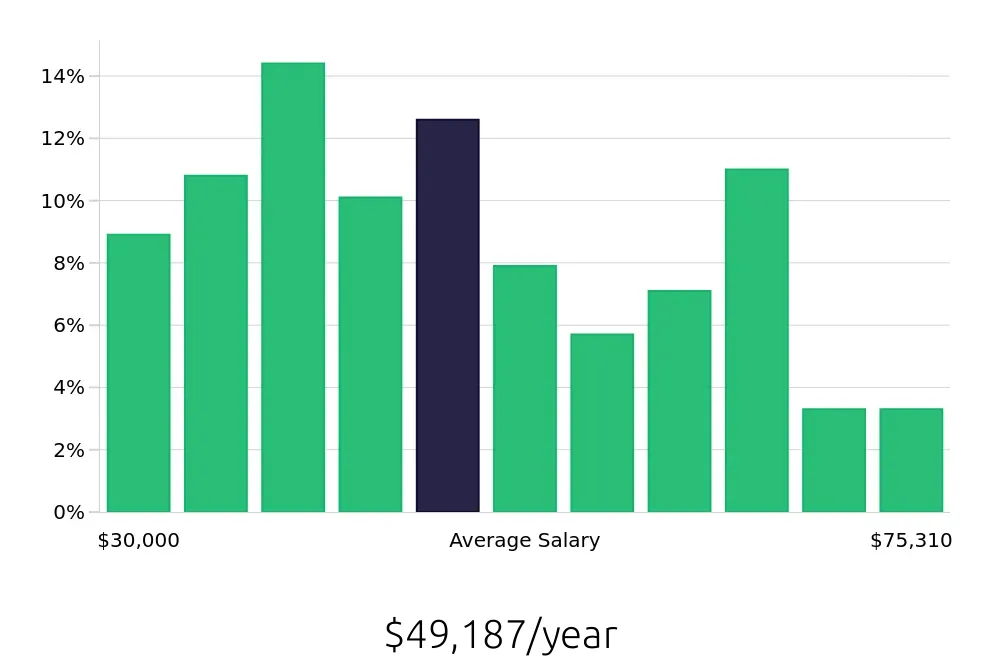
The average annual salary for opticians stands at $47,560, with an hourly rate of $22.86, according to the BLS. This compensation reflects the value of skills and expertise in the optical field. For job seekers, this means competitive earnings along with a growing job market.
Currently 995 Optician job openings, nationwide.
Continue to Salaries for Optician