What does a Paint Prepper do?
A Paint Prepper prepares surfaces for painting. This important job ensures that the final paint job looks professional and lasts a long time. The Paint Prepper cleans and repairs surfaces. This may include sanding, filling holes, and applying primers. Doing this work correctly makes painting easier and more effective.
The Paint Prepper uses various tools and materials. Common tools include sanding blocks, wire brushes, and paint sprayers. The person must know how to use these tools safely. They must also understand the different types of surfaces and the best methods to prepare each one. Attention to detail is key. The Paint Prepper must check for missed spots and uneven surfaces. A well-prepared surface leads to a high-quality paint job.
How to become a Paint Prepper?
Paint Prepping is a vital role in the automotive industry, involving the preparation of car surfaces for painting. This role requires attention to detail and technical skills. It provides a rewarding career path for those interested in automotive work. Follow these steps to become a Paint Prepper.
Begin with formal education or vocational training. Many Paint Preppers start with a high school diploma or equivalent. Some complete courses in automotive body repair or similar fields. These courses teach the basics of vehicle construction and paint technologies. Training helps build a solid foundation for a successful career.
- Gain experience in the field. Seek internships or entry-level positions at auto body shops or dealerships. This hands-on work provides valuable experience in paint preparation techniques.
- Learn about tools and materials. Familiarize yourself with sanding equipment, masking tapes, and paint booth setups. Understanding these tools is crucial for efficient and effective work.
- Develop a strong attention to detail. Paint Preppers must notice imperfections and ensure surfaces are perfectly smooth. This skill is essential for high-quality paint jobs.
- Stay updated on industry trends. The automotive industry is always evolving. Keeping up with new techniques, materials, and technologies helps maintain a competitive edge.
- Seek certifications. Professional certifications, such as those from the International Automotive Technicians Network (IAT), can enhance credibility. They also demonstrate commitment to the field.
Following these steps can lead to a rewarding career as a Paint Prepper. It involves dedication, continuous learning, and a passion for automotive work. This career offers opportunities for growth and specialization in a dynamic industry.
How long does it take to become a Paint Prepper?
Paint preppers play a key role in the automotive industry. They get vehicles ready for painting. This task is very important. It requires skill and attention to detail. Paint preppers do not just paint. They also prepare surfaces, remove old paint, and sometimes fix dents or scratches. They work carefully to ensure the paint job looks great.
To become a paint prepper, one needs training. Many learn through apprenticeships. This means working with experienced professionals. Some also go to trade schools. These schools offer courses on painting and auto body repair. The time it takes to become a paint prepper varies. It can take a few months in an apprenticeship. Trade school programs usually last between one and two years. Hands-on experience is key. It helps new preppers understand the job better.
Paint Prepper Job Description Sample
The Paint Prepper is responsible for preparing surfaces for painting or coating by performing cleaning, sanding, and other preparatory tasks. They work closely with painters and contractors to ensure that surfaces are properly prepared for high-quality paint application.
Responsibilities:
- Clean and remove dirt, grease, and other contaminants from surfaces using appropriate tools and cleaning agents.
- Sand, scrape, and fill imperfections on surfaces to achieve a smooth and even finish.
- Apply primers or other surface treatments as needed to enhance adhesion and durability.
- Protect non-painting areas from paint splatter and debris using masking and drop cloths.
- Assist in the setup and breakdown of scaffolding, ladders, and other equipment.
Qualifications
- High school diploma or equivalent required.
- Previous experience in surface preparation or related field preferred.
- Knowledge of various cleaning and sanding techniques.
- Ability to read and interpret blueprints or work instructions.
- Strong attention to detail and commitment to quality.
Is becoming a Paint Prepper a good career path?
Paint prep work offers a unique career path for those interested in the automotive industry. Paint preppers help vehicles look their best by sanding, repairing, and priming surfaces before painting. This role plays a key part in the auto body repair process. It involves both hands-on and technical skills.
Working as a paint prepper comes with its own set of advantages and challenges. Understanding these can help job seekers decide if this career is right for them. Below is a look at some pros and cons of this job.
One of the major benefits of being a paint prepper is the satisfaction of seeing the final, polished results of your work. Seeing a vehicle go from damaged to flawless is very rewarding. It takes skill and attention to detail, which can be very fulfilling.
- Hands-on work
- Opportunity to learn new skills
- Important role in the auto body process
- Potential for steady, skilled work
However, the job has its challenges. Working with chemicals and sand can be tough on the body. Paint preppers must take care to protect themselves with proper gear. The work can also be physically demanding, requiring long hours of standing and repetitive motions.
- Exposure to chemicals and hazards
- Physical demands and repetitive strain
- Need for ongoing learning and skill updates
- Potential for long working hours
Weighing the pros and cons can help job seekers decide if a career as a paint prepper is the right fit. The job offers the chance to work hands-on and be part of an important process. But it also requires attention to safety and being ready for physical demands.
What is the job outlook for a Paint Prepper?
The job outlook for Paint Preppers presents promising opportunities for skilled professionals. According to the Bureau of Labor Statistics (BLS), there are around 16,700 job positions available each year. This steady demand offers a stable career path for those interested in this trade. With a projected percent change of 0.5% in job openings from 2022 to 2032, the industry shows potential for consistent growth.
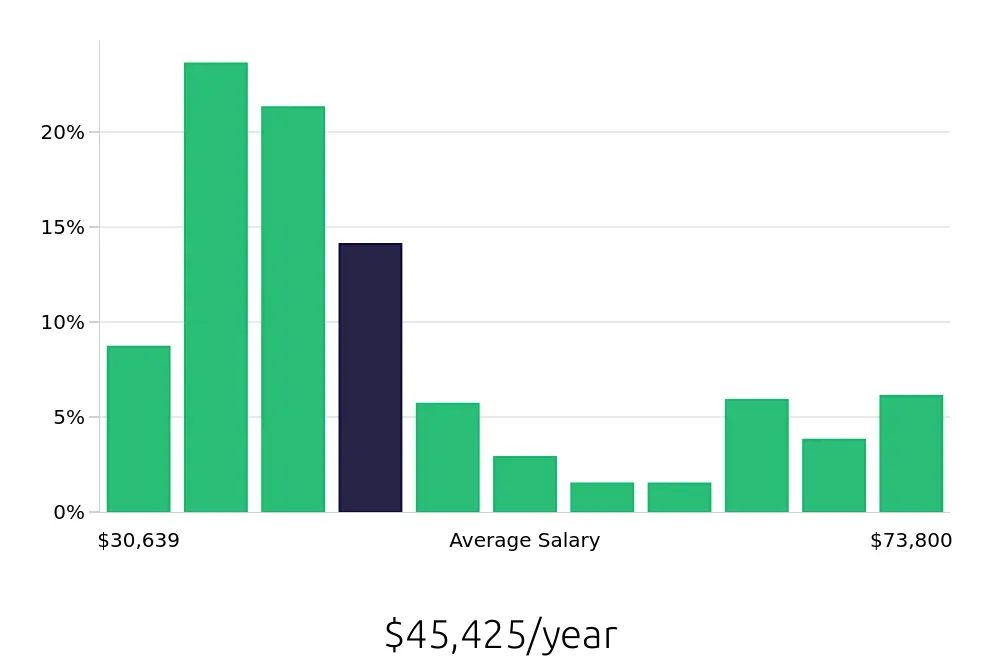
Earnings for Paint Preppers are competitive, with an average national annual salary of $48,200. This translates to an hourly rate of approximately $23.17, providing a good income for workers in this field. These figures make the role attractive for those seeking a rewarding career with fair compensation. The BLS provides detailed salary data, offering transparency and insights into the financial benefits of this profession.
For job seekers, the combination of consistent job availability, modest growth potential, and competitive earnings makes becoming a Paint Prepper a viable career option. This role not only promises job stability but also offers the chance to earn a respectable income. Prospective candidates can feel confident in pursuing this trade, knowing there are ample opportunities to build a successful career.
Currently 135 Paint Prepper job openings, nationwide.
Continue to Salaries for Paint Prepper