What does a Paralegal do?
A Paralegal provides essential legal support to lawyers and law firms. This role involves a variety of tasks that help ensure the smooth operation of legal processes. Paralegals research legal issues, gather evidence, and draft legal documents. They may also interview witnesses and clients, conduct background checks, and manage case files.
This position requires strong organizational skills and attention to detail. Paralegals must understand legal terminology and procedures. They often work in a team environment, collaborating with attorneys and other legal professionals. The job can vary widely depending on the law firm or organization, with responsibilities ranging from corporate law to criminal defense. Being a Paralegal offers a unique opportunity to be deeply involved in the legal field without needing to be a licensed attorney.
How to become a Paralegal?
Becoming a paralegal can open doors to a rewarding career in the legal field. Paralegals help lawyers with research, drafting documents, and more. This guide will walk through the steps to start this career. It will offer clear and simple instructions for those interested.
The journey to becoming a paralegal begins with education and training. Here are the key steps:
- Earn a High School Diploma or GED: Start with a high school diploma or GED. This is the first step on your path.
- Obtain a Bachelor’s Degree: Enroll in a college and get a bachelor’s degree. Many paralegal programs focus on legal studies. Choose courses that cover law, writing, and research.
- Consider a Paralegal Studies Program: Some schools offer specialized programs for paralegal studies. These programs can give you more skills and knowledge.
- Gain Experience: Look for internships or part-time jobs in law firms or legal departments. This experience is valuable. It helps you understand the job.
- Get Certified (Optional): Some people choose to get certified. The National Association of Legal Assistants (NALA) offers a certification. It can boost your resume and career.
How long does it take to become a Paralegal?
The journey to becoming a paralegal involves a clear and structured process. Many start with a high school diploma or GED, opening the door to further education. Most paralegals complete a postsecondary education program. These programs can last from a few months to two years. Popular options include certificates, associate's degrees, and bachelor's degrees. Each path offers unique benefits, with certificates focusing on quick skill acquisition and degrees providing broader knowledge.
After finishing an education program, gaining practical experience is crucial. Internships or entry-level positions in law firms, government offices, or corporations help build the necessary skills. This experience often requires one to two years. Some paralegals choose to pursue additional certifications to stand out in the job market. These certifications can enhance expertise in areas such as family law, criminal law, or real estate law. Combining education, experience, and certifications can lead to a fulfilling career as a paralegal.
Paralegal Job Description Sample
A Paralegal is a legal professional who assists attorneys in preparing, organizing, and managing legal documents and information. They play a crucial role in supporting the legal team, conducting legal research, and ensuring that the legal processes run smoothly.
Responsibilities:
- Assist attorneys in drafting legal documents, including contracts, pleadings, and motions.
- Conduct legal research to support case preparation and strategy.
- Manage and organize legal documents and files, ensuring they are easily accessible and properly stored.
- Prepare for and attend court hearings, taking notes and ensuring all required documents are present.
- Communicate with clients, opposing counsel, and other parties involved in legal proceedings.
Qualifications
- Bachelor’s degree in Paralegal Studies or a related field; Juris Doctor (JD) or Master’s degree preferred.
- Completion of a paralegal studies program or equivalent experience.
- Strong knowledge of legal terminology, procedures, and case management systems.
- Excellent research, analytical, and organizational skills.
- Proficiency in legal research tools and software.
Is becoming a Paralegal a good career path?
Working as a Paralegal offers a fulfilling career path for those interested in the legal field. This role involves assisting lawyers with research, drafting documents, and managing cases. Paralegals help ensure that legal processes run smoothly and efficiently. They often work in law firms, corporate legal departments, or government agencies. This career allows someone to gain valuable experience in law without needing to become a licensed attorney.
This job path presents several benefits. Paralegals can learn a lot about the legal system and courtroom procedures. They often work closely with attorneys, gaining insight into legal strategies and case management. Many find satisfaction in helping clients navigate complex legal issues. However, some challenges exist. Paralegals usually do not make as much as lawyers. The job can also be stressful, especially during busy periods or high-stakes cases. Balancing multiple tasks and meeting tight deadlines requires strong organizational skills.
Here are some pros and cons to consider:
- Pros:
- Learn about the legal system.
- Work closely with attorneys.
- Help clients with legal issues.
- Cons:
- Lower salary compared to lawyers.
- Potential for high stress during busy periods.
- Need for strong organizational skills.
What is the job outlook for a Paralegal?
A career as a Paralegal offers promising opportunities for job seekers. The Bureau of Labor Statistics (BLS) reports that there are an average of 38,000 job positions available each year. This indicates a steady demand for qualified Paralegals across various sectors. Paralegals play a critical role in legal settings, assisting lawyers in preparing for cases and conducting research.
The job outlook for Paralegals is positive, with a projected growth rate of 4.2% from 2022 to 2032. This growth suggests that more companies and legal firms will need Paralegals to manage their workload effectively. Paralegals can expect to find opportunities in law firms, corporate legal departments, and government agencies. With ongoing changes in legislation and increasing complexity in legal matters, the role of Paralegals is becoming more essential.
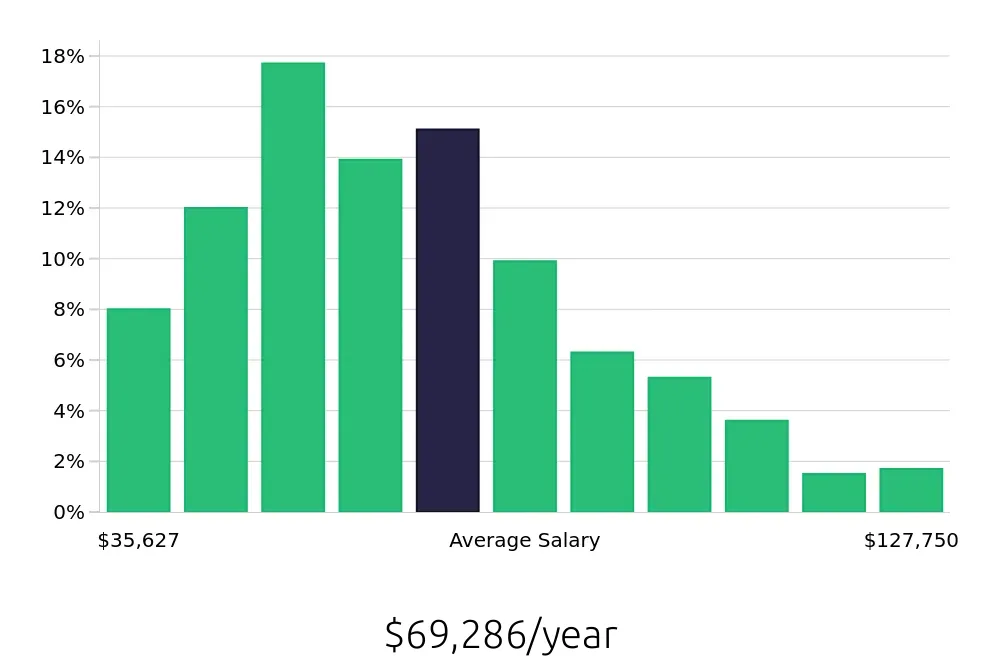
Paralegals also enjoy a competitive compensation package. According to the BLS, the average national annual salary for Paralegals is $66,460. Hourly wages stand at $31.95, reflecting the value employers place on their expertise. This compensation makes Paralegal positions an attractive choice for those looking to start or advance their career in the legal field. Seeking relevant certifications and gaining experience can further enhance earning potential and job prospects.
Currently 2,224 Paralegal job openings, nationwide.
Continue to Salaries for Paralegal