What does a Personal Banker do?
A Personal Banker helps individuals manage their finances. They work with clients to understand their needs and provide banking services. Personal Bankers open accounts and offer advice on savings, loans, and investments. They also process transactions, such as deposits and withdrawals. Attention to detail and strong communication skills are important for this role. Personal Bankers strive to build trust with clients and provide a positive banking experience.
Personal Bankers handle a variety of tasks to assist clients. They review financial documents and help clients understand fees and interest rates. They also explain banking products and services. Personal Bankers attend to clients during appointments, answering questions and addressing concerns. They may work with a team to ensure clients receive the best service. This role requires a friendly and professional attitude. Personal Bankers aim to help clients achieve their financial goals and provide peace of mind.
How to become a Personal Banker?
Becoming a Personal Banker involves several clear steps that lead to a rewarding career in banking. Start by gaining a solid understanding of banking principles and financial services. This foundation is crucial for anyone looking to enter the field.
Next, gain relevant experience. This can include internships or entry-level positions in banking or related fields. Experience helps build a strong resume and provides practical knowledge. It is also important to develop excellent customer service skills. Personal Bankers work closely with clients, so being able to communicate effectively and build trust is key. Education plays a big role as well. While not always required, a degree in finance, business, or a related field can enhance job prospects.
Pursue certification and training programs to boost skills and credibility. These programs often cover topics like customer relationship management and financial products. Finally, apply for positions at banks or financial institutions. Tailor the resume and cover letter to highlight relevant experience and skills. Networking with professionals in the industry can also provide valuable opportunities and insights.
Follow these steps to take the first steps toward a successful career as a Personal Banker:
- Study banking and financial services.
- Gain relevant experience through internships or entry-level jobs.
- Develop strong customer service skills.
- Consider higher education in finance or business.
- Pursue certifications and training programs.
How long does it take to become a Personal Banker?
Interested in a career as a Personal Banker? The journey starts with a mix of education, training, and experience. Most banks require a high school diploma or equivalent. Some may prefer a college degree, but it’s not always necessary. Many people complete a banking training program offered by the bank itself. These programs can last from a few weeks to several months.
Personal Bankers typically gain experience through entry-level positions at the bank. They start by learning the basics of customer service, finance, and banking regulations. With time and skill, they move up to handling more complex tasks. This can take about 1 to 2 years. Banks often look for candidates with a proven track record in customer service and sales. Certifications in banking or finance can also boost job prospects.
Personal Banker Job Description Sample
Personal Bankers are responsible for building and maintaining relationships with clients, understanding their financial needs, and providing tailored banking solutions to meet their goals. They play a crucial role in driving customer satisfaction and retention for the bank.
Responsibilities:
- Develop and maintain strong relationships with clients by understanding their financial needs and goals.
- Provide personalized banking solutions, including accounts, loans, investments, and wealth management services.
- Assist clients with day-to-day banking transactions, ensuring accurate and timely service.
- Advise clients on financial products and services, promoting cross-selling opportunities.
- Conduct regular client reviews to assess financial health and update strategies as needed.
Qualifications
- Bachelor’s degree in Finance, Business Administration, or a related field.
- Proven experience in personal banking, sales, or customer service.
- Strong understanding of financial products and services.
- Excellent communication and interpersonal skills.
- Ability to build and maintain strong client relationships.
Is becoming a Personal Banker a good career path?
A Personal Banker serves as a bridge between clients and financial services. This role involves understanding customer needs and offering tailored banking solutions. Personal Bankers work in branches or remotely, guiding clients on savings, investments, and loans. They build relationships with customers, earning trust and loyalty.
This career offers many benefits. One key advantage is job stability. Banks are essential, ensuring demand for qualified Personal Bankers. Another benefit is the chance to earn bonuses based on performance. Helping customers achieve their financial goals can lead to significant rewards. Personal Bankers also gain strong communication skills, making them versatile for other roles.
However, the role has its challenges. Long hours are common, especially during peak times. Personal Bankers must balance work and personal life well. Stress can arise from meeting targets and handling difficult customers. Adapting to rapid changes in financial products and regulations adds to the workload.
Consider these pros and cons before pursuing a career in personal banking:
- Pros:
- Job stability
- Opportunity for bonuses
- Development of strong communication skills
Versatility for other roles
- Cons:
- Potential for long hours
- High stress levels
- Need to stay updated with financial changes
What is the job outlook for a Personal Banker?
Becoming a Personal Banker offers a promising career path for job seekers. The Bureau of Labor Statistics (BLS) reports that an average of 61,300 job positions open each year. This figure indicates a steady demand for banking professionals. With an expected job growth rate of 8.2% from 2022 to 2032, it shows that the demand for Personal Bankers is growing. This growth suggests a positive job outlook for those entering this field.
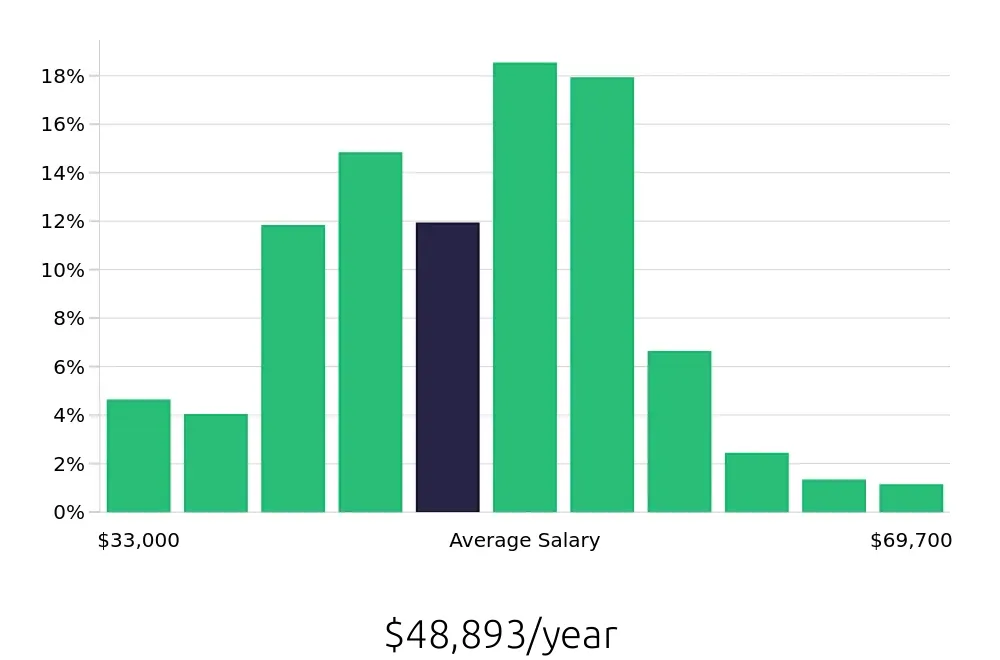
A career in personal banking also offers attractive compensation. According to BLS data, the average annual salary for a Personal Banker is $123,330. This salary reflects the skills and responsibilities that come with the role. The average hourly wage stands at $59.29, indicating good earning potential. These figures make the career appealing to those looking for financial stability and growth.
Personal Bankers interact with clients to provide financial advice and services. They help customers with savings, loans, and investments. This role requires excellent communication and customer service skills. Job seekers with these skills will find many opportunities in this field. The increasing demand for personal banking services ensures a stable job market for qualified candidates.
Currently 1,346 Personal Banker job openings, nationwide.
Continue to Salaries for Personal Banker