What does a Personal Care Assistant do?
A Personal Care Assistant provides essential support to individuals who need help with daily living activities. They assist with tasks such as bathing, dressing, grooming, and meal preparation. Personal Care Assistants also help with medication reminders, light housekeeping, and companionship. They ensure that their clients live safely and comfortably in their homes, promoting independence while providing necessary care.
Personal Care Assistants often work with elderly individuals, those with disabilities, or people recovering from illness or surgery. They build strong relationships with clients, understanding their needs and preferences. This role requires empathy, patience, and reliability. Personal Care Assistants must follow care plans created by healthcare professionals and communicate regularly with family members and other care providers. Their goal is to enhance the quality of life for those they support.
How to become a Personal Care Assistant?
Becoming a Personal Care Assistant is a rewarding path. It helps many people live better lives. Follow these steps to start your journey:
- Learn the Basics: Understand what a Personal Care Assistant does. This role includes helping with daily tasks. Tasks range from bathing to meal prep.
- Get the Right Education: Most roles require a high school diploma or equivalent. Some positions may need further training. Consider courses in healthcare or caregiving.
- Gain Experience: Volunteer or work in care settings. This builds your skills and shows your dedication.
- Obtain Certifications: Many employers prefer candidates with certifications. Look into Certified Nursing Assistant (CNA) or Home Health Aide (HHA) programs.
- Apply for Jobs: Search for job openings. Tailor your resume to highlight your skills and experience. Prepare for interviews by practicing common questions.
By following these steps, job seekers can enter the field of personal care. This career offers the chance to make a real difference in people's lives.
How long does it take to become a Personal Care Assistant?
The journey to becoming a Personal Care Assistant (PCA) involves several steps. First, completing a training program is necessary. These programs typically last from a few weeks to several months. They cover essential skills like personal hygiene, meal preparation, and assisting with daily activities.
After finishing a training program, the next step is to gain hands-on experience. Many PCAs start by working in care facilities or with private clients. This experience helps new PCAs refine their skills and build a strong resume. Experience requirements can vary, but many employers prefer candidates with at least one year of experience.
Personal Care Assistant Job Description Sample
Personal Care Assistants provide essential assistance to individuals who require help with their daily living activities. They offer compassionate care and support to enhance the quality of life for their clients.
Responsibilities:
- Assist clients with activities of daily living, including bathing, dressing, grooming, and personal hygiene.
- Prepare and serve meals according to clients' dietary needs and preferences.
- Support clients with medication management, including reminders and supervision.
- Assist with light housekeeping tasks, such as laundry, dishwashing, and tidying up living spaces.
- Engage clients in social and recreational activities to promote mental and emotional well-being.
Qualifications
- High school diploma or equivalent required; additional training in caregiving or a related field is a plus.
- Prior experience as a Personal Care Assistant or in a similar role is highly desirable.
- Compassionate and patient demeanor with a commitment to providing quality care.
- Excellent communication skills and the ability to work well with clients, families, and healthcare professionals.
- Ability to follow care plans and instructions meticulously.
Is becoming a Personal Care Assistant a good career path?
A career as a Personal Care Assistant (PCA) offers many rewarding opportunities. This role allows individuals to make a direct impact on others' lives by providing essential care and support. PCAs work with clients who may have disabilities, chronic illnesses, or the elderly, assisting with daily activities like bathing, dressing, and meal preparation. The role combines compassion with practical skills, making it a fulfilling career choice for those who enjoy helping others.
Working as a PCA has several advantages. First, it provides a chance to develop close relationships with clients, offering both personal satisfaction and a sense of community. The job often allows for flexible scheduling, which can be ideal for those with other commitments. Additionally, it can be an entry point into the healthcare field, offering experience that can lead to further career advancement. However, the role also has its challenges. PCAs may face physically demanding tasks and emotional situations, requiring a strong level of patience and resilience.
When considering this career, it is important to weigh both the benefits and drawbacks:
- Pros:
- Opportunity to form meaningful relationships
- Flexible work hours
- Entry-level experience in healthcare
- Potential for career growth
- Cons:
- Physical demands of the job
- Exposure to emotionally challenging situations
- Possible irregular hours and on-call requirements
- Limited opportunities for career advancement without additional training
What is the job outlook for a Personal Care Assistant?
The role of a Personal Care Assistant is a promising career path for job seekers. On average, the Bureau of Labor Statistics (BLS) reports approximately 684,600 job positions open each year. This abundance of opportunities highlights the growing demand for personal care assistants across various settings. Job seekers can look forward to a steady flow of openings, making this field a stable choice for those entering the workforce.
The BLS also forecasts a 21.7% increase in job openings for Personal Care Assistants from 2022 to 2032. This significant growth rate reflects the expanding need for care services, driven by an aging population and increased awareness of home care benefits. Job seekers interested in long-term career stability will find this field to be a strong option, with ample opportunities for advancement and professional development. The growing job market ensures that qualified candidates can expect a variety of employment options and potential for growth.
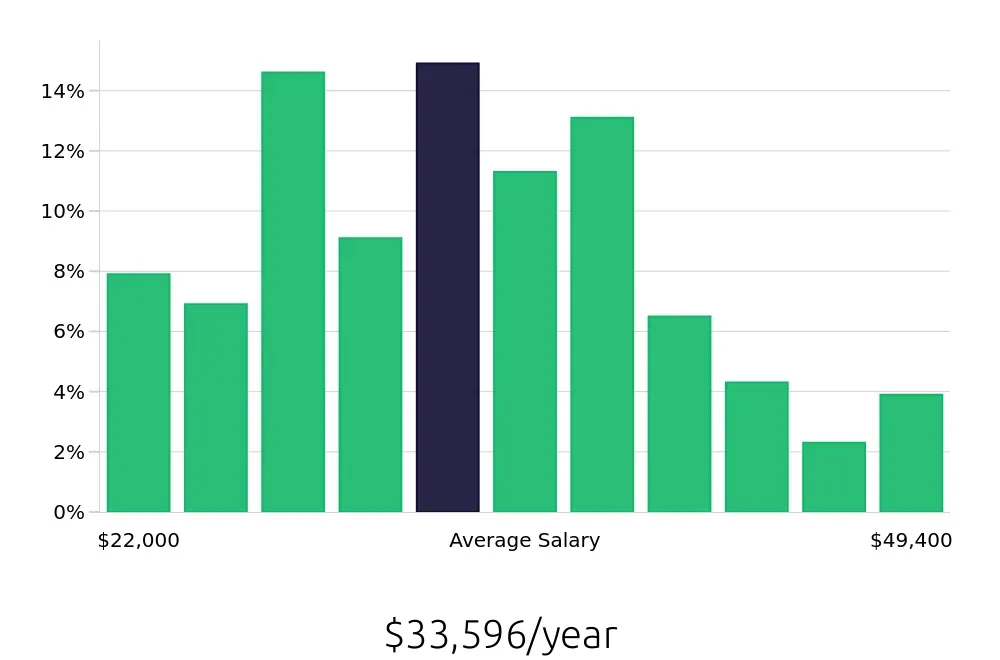
In terms of compensation, the average annual salary for Personal Care Assistants stands at $33,380, according to the BLS. Additionally, the average hourly rate is about $16.05. These figures provide a clear picture of the financial rewards that come with this occupation. While the salary may vary based on location, experience, and employer, it offers a fair and competitive pay scale, making it an attractive choice for many job seekers. With steady job prospects and a respectable salary, the role of a Personal Care Assistant proves to be a valuable career path.
Currently 2,787 Personal Care Assistant job openings, nationwide.
Continue to Salaries for Personal Care Assistant