What does a Personal Trainer do?
A Personal Trainer works with clients to help them reach their fitness goals. They create exercise plans based on individual needs. These plans can include strength training, cardio, and flexibility exercises. Personal Trainers motivate clients and track their progress. They adjust exercise routines to help clients improve.
Personal Trainers often conduct fitness assessments to understand a client's current fitness level. They teach proper techniques to prevent injuries. Trainers also educate clients on nutrition and healthy habits. They work one-on-one or in small groups. Personal Trainers often specialize in areas like weight loss, athletic training, or rehabilitation. Their goal is to support clients in achieving a healthier lifestyle.
How to become a Personal Trainer?
Becoming a personal trainer can lead to a rewarding and fulfilling career. This profession combines your passion for fitness with the opportunity to help others achieve their health goals. It involves more than just working out; it requires understanding exercise science, nutrition, and motivation. Achieving this role involves several key steps that ensure you are well-prepared and qualified.
The journey to becoming a personal trainer includes specific actions that build your expertise and credibility. By following these steps, job seekers can confidently pursue a career in personal training. Starting with education and certification leads to gaining experience, building a client base, and continuing professional development.
- Obtain education and certification: Start by taking courses in exercise science, anatomy, and nutrition. Look for programs accredited by organizations like the National Academy of Sports Medicine (NASM) or the American Council on Exercise (ACE). These courses will prepare you for a certification exam.
- Take the certification exam: After completing your courses, sit for a certification exam. Passing this exam is a crucial step to becoming a certified personal trainer.
- Gain experience: Work with a seasoned personal trainer or join a gym as an assistant. This hands-on experience will help you understand client needs and develop your training techniques.
- Build a client base: Create a professional website and use social media to market your services. Networking with local businesses and offering free introductory sessions can attract new clients.
- Continue professional development: Stay updated with the latest fitness trends and research. Attend workshops and additional certifications to enhance your skills.
How long does it take to become a Personal Trainer?
Pursuing a career as a Personal Trainer can be a rewarding journey. Many people take a few months to a couple of years to complete the necessary steps. The time frame depends on various factors. One major factor is the educational path you choose. Most trainers start with a certification from a reputable organization. These programs often last from a few weeks to several months.
In addition to certification, gaining practical experience plays a vital role. Many trainers work as assistants or interns with experienced professionals. This hands-on training can take several months to a year. Some trainers also choose to pursue further education or advanced certifications. These steps can add another few months or years to the overall process. Overall, becoming a Personal Trainer requires dedication and time. It can lead to a fulfilling and dynamic career.
Personal Trainer Job Description Sample
We are seeking a highly motivated and experienced Personal Trainer to join our team. The ideal candidate will be passionate about fitness and health, capable of motivating clients to achieve their fitness goals, and committed to delivering exceptional service. The Personal Trainer will develop and implement customized fitness plans, provide expert advice on nutrition, and guide clients through effective workouts.
Responsibilities:
- Develop and implement personalized fitness plans for clients based on their individual goals and needs.
- Conduct fitness assessments to determine clients' current fitness levels and areas for improvement.
- Instruct clients on proper exercise techniques and provide motivation and encouragement throughout their fitness journey.
- Monitor clients' progress and adjust fitness plans as needed to ensure continued improvement.
- Provide nutritional advice and guidance to support clients' fitness goals.
Qualifications
- Certification from a recognized institution (e.g., NASM, ACE, ISSA) is required.
- Minimum of 2 years of experience as a Personal Trainer.
- Excellent understanding of exercise physiology, biomechanics, and nutrition.
- Strong interpersonal and communication skills.
- Ability to motivate and inspire clients to achieve their fitness goals.
Is becoming a Personal Trainer a good career path?
Personal trainers work with people to help them reach their fitness goals. They design exercise plans and teach proper techniques. This job combines health care and coaching. Personal trainers often work in gyms, fitness centers, or as independent contractors. They may even offer in-home sessions for clients.
Choosing a career as a personal trainer has many benefits. Trainers enjoy helping others improve their health. They can choose flexible work hours. Many trainers work part-time or freelance, giving them time for other interests. The job requires interaction with many different people. This can be rewarding for those who enjoy social work.
However, the job has some downsides. Personal trainers often work irregular hours, including early mornings and evenings. The job can be physically demanding. Trainers spend much time on their feet and may need to lift weights. Job competition can be high. Many people enter this field, so finding steady work takes effort. Also, income can vary widely. Some trainers earn a steady salary, while others rely on tips or commissions.
When considering this career, think about the pros and cons:
- Pros:
- Helping others improve their health.
- Flexible work hours.
- Opportunity to work with many different people.
- Cons:
- Irregular hours, including early mornings and evenings.
- Physically demanding work.
- High job competition.
- Income can vary widely.
What is the job outlook for a Personal Trainer?
The job outlook for Personal Trainers is promising for job seekers looking to enter or expand in the fitness industry. According to the Bureau of Labor Statistics (BLS), the field is expected to see a significant growth of 21.7% from 2022 to 2032. This increase translates to a substantial number of job openings, with an average of 684,600 positions available each year. Such growth provides ample opportunities for individuals with the right qualifications and passion for fitness.
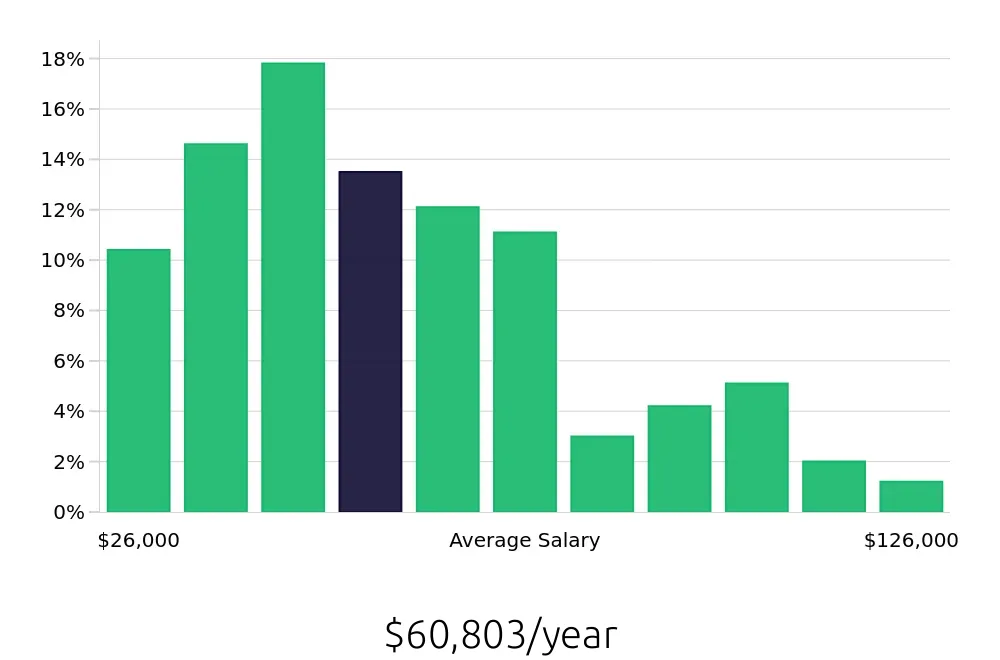
While the demand for Personal Trainers is on the rise, it is essential to consider the average national compensation for the role. BLS data shows that the average annual salary stands at $33,380, with an hourly wage of $16.05. This figure reflects the competitive yet rewarding nature of a career as a Personal Trainer. Job seekers can anticipate a stable income with potential for growth, especially with experience and specialization in certain areas of fitness training.
Job seekers should also note the robust job market for Personal Trainers. With a growing emphasis on health and wellness, the demand for fitness professionals is likely to continue increasing. This outlook makes it an exciting time to pursue a career as a Personal Trainer. Those who are dedicated to helping others achieve their fitness goals can find a fulfilling and financially viable career path.
Currently 3,584 Personal Trainer job openings, nationwide.
Continue to Salaries for Personal Trainer