What does a Pharmacist do?
A pharmacist plays a crucial role in the healthcare industry. They help people by preparing and dispensing medications. Pharmacists work closely with doctors and patients to ensure safe and effective use of drugs. They review prescriptions and provide advice on how to take medications properly. Pharmacists also monitor patients for any side effects or interactions with other drugs. They advise on over-the-counter products and may conduct health screenings.
This role requires strong attention to detail and excellent communication skills. Pharmacists must understand complex medical information and explain it clearly to patients. They also need to stay up-to-date with new medications and treatments. A pharmacist's work contributes to better health outcomes and patient care. They help people manage their health and improve their quality of life. This position is essential in both community and hospital settings, making it a vital part of the healthcare system.
How to become a Pharmacist?
Becoming a pharmacist can lead to a rewarding career in healthcare. It requires dedication and the right steps to succeed. Follow this guide to understand the process.
First, complete a high school diploma or GED. Next, earn a bachelor’s degree. Aim for courses in science, math, and social sciences. After that, take the Pharmacy College Admission Test (PCAT). This test helps pharmacy schools measure your readiness.
- Earn a Doctor of Pharmacy (Pharm.D.) degree.
- Complete an internship or residency.
- Pass the licensure exams.
- Consider extra certifications or specializations.
- Keep education up-to-date with continuing education credits.
Starting with high school, every step builds on the last. Follow these steps to launch a successful career as a pharmacist.
How long does it take to become a Pharmacist?
The journey to becoming a pharmacist involves a series of educational and practical steps. First, earning a Bachelor’s degree takes about four years. Students learn about sciences like biology, chemistry, and mathematics. After this, one must complete a Doctor of Pharmacy program. This program typically lasts four years. During this time, students study more about medicines and how they affect the body. They also gain hands-on experience in internships.
After graduation, pharmacists need to pass two exams: the North American Pharmacist Licensure Examination (NAPLEX) and a state-specific pharmacy law exam. This process can take several months to complete. Once licensed, pharmacists may choose to specialize. Specialization often requires additional training. This can add one to two more years to the timeline. The total time from high school to practicing as a licensed pharmacist usually ranges from six to eight years. Each step prepares pharmacists for their important role in healthcare.
Pharmacist Job Description Sample
A Pharmacist is a healthcare professional responsible for preparing and dispensing medications to patients, ensuring the correct dosage and usage instructions are provided. They also advise patients on the safe and effective use of prescription and over-the-counter drugs and provide health education on various medical conditions.
Responsibilities:
- Prepare, compound, and dispense prescription medications to patients.
- Review and interpret physician prescriptions and provide appropriate drug therapy.
- Ensure the accuracy of medication orders and verify prescriptions before dispensing.
- Provide health and wellness advice to patients, including information on drug interactions, side effects, and proper storage of medications.
- Monitor patient health and progress, consulting with physicians and other healthcare professionals as needed.
Qualifications
- Bachelor’s degree in Pharmacy (Pharm.D.) or Doctor of Pharmacy (Pharm.D.) from an accredited institution.
- License to practice pharmacy in the state of employment.
- Strong knowledge of pharmaceutical terminology, drug interactions, and side effects.
- Excellent communication and interpersonal skills to effectively interact with patients and healthcare professionals.
- Strong attention to detail and accuracy in preparing and dispensing medications.
Is becoming a Pharmacist a good career path?
A career as a pharmacist offers many opportunities to make a meaningful impact on patients' lives. Pharmacists work in various settings, including hospitals, retail pharmacies, and clinics. They help patients manage their medications, offering advice on how to take them safely and effectively. This role requires strong attention to detail and excellent communication skills. Pharmacists often work closely with doctors and other healthcare providers to ensure the best care for patients.
The benefits of being a pharmacist include job stability, competitive salaries, and the chance to help people every day. Pharmacists enjoy a steady demand for their services, and this demand continues to grow. The career path often includes opportunities for specialization and advancement. However, pharmacists should also consider the potential challenges. Long hours and high-stress environments can be common. The job may require staying up-to-date with new medical research and regulations, which can be demanding.
Here are some pros and cons to consider if pursuing a career as a pharmacist:
- Pros:
- Job stability and demand
- Competitive salaries
- Helping people improve their health
- Opportunities for specialization
- Career advancement options
- Cons:
- Long and irregular hours
- High-stress environments
- Keeping up with new research and regulations
- Occasional confrontation with difficult customers
- Standing for long periods
What is the job outlook for a Pharmacist?
Becoming a pharmacist offers a promising job outlook. According to the Bureau of Labor Statistics (BLS), this field sees an average of 13,400 job openings each year. This provides ample opportunity for new professionals to enter the workforce. Pharmacists can look forward to job growth, with the BLS projecting a 2.6% increase in job openings from 2022 to 2032. This steady growth indicates a stable career path with potential for advancement.
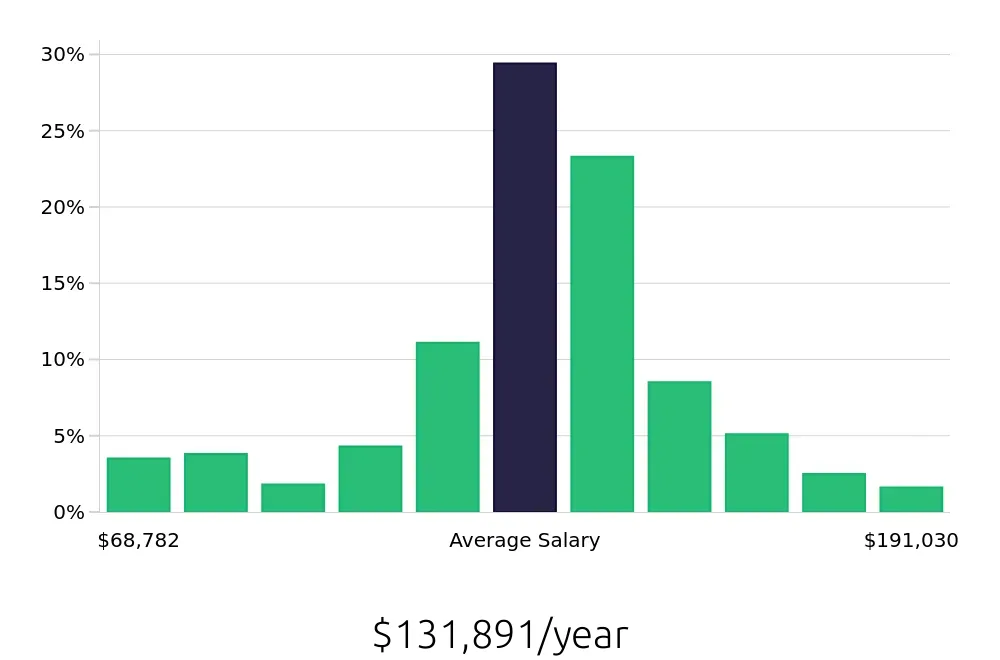
Pharmacists enjoy a competitive salary as well. The BLS reports an average national annual compensation of $134,790. This figure reflects the value placed on their expertise and the critical role they play in patient care. Additionally, the BLS notes an average national hourly compensation of $64.81. These figures make a career in pharmacy both financially rewarding and professionally fulfilling.
Job seekers interested in pharmacy will find that this career path is both secure and rewarding. With steady job growth, competitive salaries, and the chance to make a real difference in people's lives, becoming a pharmacist is a smart choice. The combination of stable employment and financial benefits makes this profession an attractive option for many job seekers.
Currently 4,856 Pharmacist job openings, nationwide.
Continue to Salaries for Pharmacist