What does a Pharmacy Cashier do?
A Pharmacy Cashier plays a crucial role in ensuring smooth operations at the pharmacy counter. They manage transactions, assisting customers in purchasing medications and other pharmacy products. Daily duties include processing payments, providing receipts, and helping customers understand their insurance coverage and medication instructions. Attention to detail is important to ensure accuracy in billing and to provide correct information to customers. The role also involves maintaining a clean and organized checkout area.
In addition to transaction processing, a Pharmacy Cashier may also assist with inventory management. This includes checking stock levels, placing orders for new supplies, and maintaining records of sales. They often interact with pharmacists and other staff to coordinate services and ensure that the pharmacy runs efficiently. Clear communication skills are essential for addressing customer inquiries and providing excellent service. The position requires a friendly and professional demeanor, along with the ability to handle multiple tasks simultaneously in a fast-paced environment.
How to become a Pharmacy Cashier?
Becoming a Pharmacy Cashier offers an excellent opportunity for those interested in the healthcare field. This role involves interacting with customers, handling transactions, and managing prescription orders. To embark on this career, follow these essential steps:
- Obtain a High School Diploma or GED: The first step involves completing high school or obtaining a GED. This foundational education is necessary to pursue further training.
- Complete Pharmacy Cashier Training: Enroll in a training program to learn about pharmacy operations, customer service, and billing. Many community colleges and vocational schools offer these programs.
- Gain Experience: Look for internships or part-time positions at local pharmacies. This hands-on experience helps build skills and understand the daily tasks of a Pharmacy Cashier.
- Obtain Certification: Consider earning a certification from recognized organizations. Certification can enhance job prospects and demonstrate expertise.
- Apply for Jobs: Search for job openings at pharmacies, hospitals, or retail stores. Prepare a strong resume and cover letter that highlight relevant skills and experience.
Following these steps will lead to a successful career as a Pharmacy Cashier. This path not only provides job security but also allows one to make a positive impact on patients’ lives. With the right training and dedication, anyone can thrive in this rewarding role.
How long does it take to become a Pharmacy Cashier?
Interested in a career as a Pharmacy Cashier? This role involves working with customers and handling transactions. Most jobs need a high school diploma. Some employers may prefer or require a brief training course in pharmacy practices. These courses can last from a few weeks to a couple of months.
A pharmacy cashier needs certain skills. These include good communication, attention to detail, and basic math skills. Many cashiers learn on the job. This training usually lasts a few weeks to a few months. It covers handling money, using pharmacy software, and understanding prescription basics. With time and experience, a cashier can learn more advanced tasks. This may include assisting with customer questions and managing inventory.
Pharmacy Cashier Job Description Sample
The Pharmacy Cashier is responsible for handling transactions at the pharmacy counter, ensuring accuracy in billing, and providing excellent customer service.
Responsibilities:
- Process cash, credit, and debit card transactions accurately.
- Verify and input patient information into the pharmacy system.
- Provide accurate change and receipts to customers.
- Assist customers with inquiries about their prescriptions and medications.
- Maintain a clean and organized checkout area.
Qualifications
- High school diploma or equivalent required.
- Previous experience in a cashier or customer service role preferred.
- Knowledge of pharmacy operations and customer service best practices.
- Strong attention to detail and accuracy in handling transactions.
- Excellent communication and interpersonal skills.
Is becoming a Pharmacy Cashier a good career path?
Working as a Pharmacy Cashier provides a rewarding career that blends customer service with healthcare support. This role involves handling transactions, assisting customers with their prescriptions, and sometimes providing basic advice on over-the-counter medications. Pharmacy Cashiers work in a fast-paced environment and often interact with patients who need immediate attention. This job appeals to those who enjoy helping others and thrive in a busy setting.
Every role has its advantages and challenges. Here are some pros and cons to consider before choosing this path:
- Pros:
- Steady job opportunities: Pharmacies are always needed, and there is a constant demand for staff.
- Diverse work environment: Interact with a wide range of customers, from young children to seniors.
- Opportunities for growth: Experience can lead to roles such as pharmacy technician or management.
- Competitive pay: Many positions offer good wages, especially in retail or hospital settings.
- Skills development: Gain valuable skills in customer service, communication, and basic medical knowledge.
- Cons:
- Stressful environment: High customer traffic can lead to stressful situations.
- Long hours: Shifts can include evenings, weekends, and holidays.
- Physical demands: Standing for long periods can be tiring.
- Limited career advancement: Without further education, career progression can be slow.
- Exposure to illness: Regular contact with sick customers means a higher risk of catching illnesses.
What is the job outlook for a Pharmacy Cashier?
The job outlook for Pharmacy Cashiers remains strong, with an average of 257,100 positions available each year according to the Bureau of Labor Statistics (BLS). This steady demand makes it a promising career path for job seekers. The BLS also projects a 10.4% growth in job openings from 2022 to 2032. This growth signals a positive trend for those entering the field, highlighting the stability and potential for advancement.
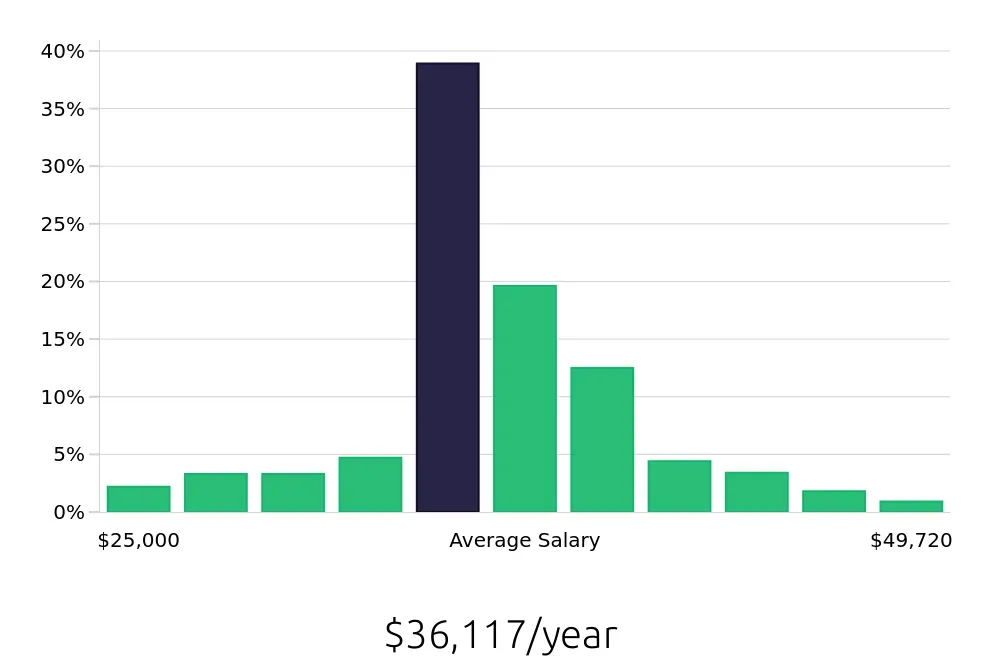
Pharmacy Cashiers earn an average of $43,940 annually, as reported by the BLS. This compensation reflects the value placed on their role in managing transactions and ensuring smooth operations. On an hourly basis, the average compensation is $21.13. This figure can vary based on experience, location, and specific employer, offering opportunities for growth and increased earnings over time. With competitive wages and benefits, this career path can be financially rewarding and secure.
Considering the demand for Pharmacy Cashiers and the favorable job outlook, it is an ideal career choice for job seekers. The combination of stable job availability, growth potential, and respectable earnings makes it a practical and attractive option. Pharmacy Cashiers play a crucial role in the healthcare industry, and their importance ensures a steady flow of job opportunities and career stability.
Currently 450 Pharmacy Cashier job openings, nationwide.
Continue to Salaries for Pharmacy Cashier