What does a Pharmacy Intern do?
A Pharmacy Intern works under the supervision of licensed pharmacists. This role involves assisting in the preparation, dispensing, and management of medications. Interns may help with tasks such as counting pills, labeling bottles, and maintaining inventory. They also support customer service by answering questions and providing information on prescriptions and over-the-counter medications. Pharmacy interns often gain practical experience in a fast-paced environment, learning essential skills that prepare them for a career in pharmacy.
Interns work closely with pharmacists and pharmacy technicians to ensure smooth operation of the pharmacy. They may participate in training sessions to understand state and federal regulations, pharmacy software, and customer service best practices. This role is ideal for students pursuing a career in pharmacy, offering valuable hands-on experience. It requires attention to detail, strong communication skills, and the ability to work in a team. Pharmacy interns contribute to providing excellent patient care and ensuring the accuracy of medication orders.
Common duties of a Pharmacy Intern include:
- Assisting pharmacists with prescription processing
- Helping customers with over-the-counter medication inquiries
- Maintaining clean and organized pharmacy workstations
- Learning about different medications and their uses
- Supporting inventory management and order replenishment
How to become a Pharmacy Intern?
Becoming a Pharmacy Intern is a rewarding career path for those interested in the healthcare field. This role offers valuable experience and a stepping stone to a future as a licensed pharmacist. Follow these steps to start your journey as a Pharmacy Intern.
To become a Pharmacy Intern, the process involves several steps. Each step is crucial to ensure that you meet all requirements and are well-prepared for the role.
- Complete a Pharmacy Program: Attend an accredited college or university. Earn a degree in pharmacy. This program typically takes four years to finish.
- Gain Practical Experience: Participate in internships or work as a pharmacy aide. These roles provide hands-on experience in a pharmacy setting.
- Pass the NAPLEX: Take and pass the North American Pharmacist Licensure Examination (NAPLEX). This test is a requirement for becoming a licensed pharmacist.
- Apply for Internships: Look for internship opportunities at local pharmacies. Submit your resume and cover letter. Prepare for interviews and any required assessments.
- Complete the Internship: Work under the supervision of a licensed pharmacist. Learn about medication dispensing, patient interactions, and pharmacy operations.
How long does it take to become a Pharmacy Intern?
Interest in the healthcare field often leads many to consider a role as a Pharmacy Intern. This journey, though rewarding, requires a structured educational path. Generally, aspiring Pharmacy Interns must complete a bachelor's degree in pharmacy or a related field. This undergraduate program usually takes about four years to complete.
Following the bachelor's degree, Pharmacy Interns need to enroll in a Doctor of Pharmacy (PharmD) program. This program typically lasts another four years. During this period, students gain essential knowledge and practical skills through classroom study and hands-on training. Upon completing the PharmD program, graduates must pass a licensure exam to practice as Pharmacy Interns. This final step is crucial to entering the workforce and starts a fulfilling career in pharmacy.
Pharmacy Intern Job Description Sample
The Pharmacy Intern is responsible for assisting pharmacists in various tasks within a pharmacy setting. This role involves helping with the preparation and dispensing of medications, customer service, and maintaining pharmacy operations.
Responsibilities:
- Assist pharmacists in the preparation and dispensing of medications.
- Maintain inventory of medications and pharmacy supplies.
- Provide excellent customer service to patients, addressing their inquiries and concerns.
- Support pharmacy operations by organizing and managing records and data.
- Assist in the training and supervision of pharmacy technicians.
Qualifications
- Currently enrolled in an accredited pharmacy program or recently graduated.
- Basic understanding of pharmaceutical principles and practices.
- Strong communication and interpersonal skills.
- Ability to multitask and work efficiently in a fast-paced environment.
- Attention to detail and accuracy in all tasks.
Is becoming a Pharmacy Intern a good career path?
Working as a Pharmacy Intern offers a unique blend of hands-on experience and professional growth. Interns gain practical knowledge in a pharmacy setting. They learn to interact with patients, handle medications, and assist pharmacists. This role serves as a stepping stone towards a career in pharmacy. It provides valuable insights into the daily operations of a pharmacy.
However, like any job, there are pros and cons to consider. An intern can build a solid foundation in pharmacy practice. They also develop skills in medication management and customer service. This experience can lead to better job opportunities later on. But, the job can be demanding. Interns may face long hours and high-pressure situations. The workload can sometimes be overwhelming. Balancing education and practical experience requires dedication and time management skills.
When thinking about this career path, consider these points:
- Pros:
- Gain hands-on experience
- Learn valuable pharmacy skills
- Opportunities for professional growth
- Cons:
- Long hours and high workload
- Pressure from managing medications
- Need for strong time management skills
What is the job outlook for a Pharmacy Intern?
Job seekers looking to enter the pharmacy field will find that Pharmacy Intern positions offer a promising outlook. On average, about 13,400 new job positions open each year. The job outlook for Pharmacy Intern roles is positive, with a projected increase of 2.6% from 2022 to 2032 according to the Bureau of Labor Statistics (BLS). This growth suggests a stable demand for pharmacy interns, offering ample opportunities for those entering the profession.
Pursuing a role as a Pharmacy Intern can lead to rewarding career paths within the healthcare sector. Interns gain valuable experience in patient care, medication management, and pharmacy operations. This hands-on experience is essential for anyone looking to advance in the field and pursue roles such as licensed pharmacist or pharmacy manager. The skills acquired during an internship are versatile and highly valued in various pharmacy settings.
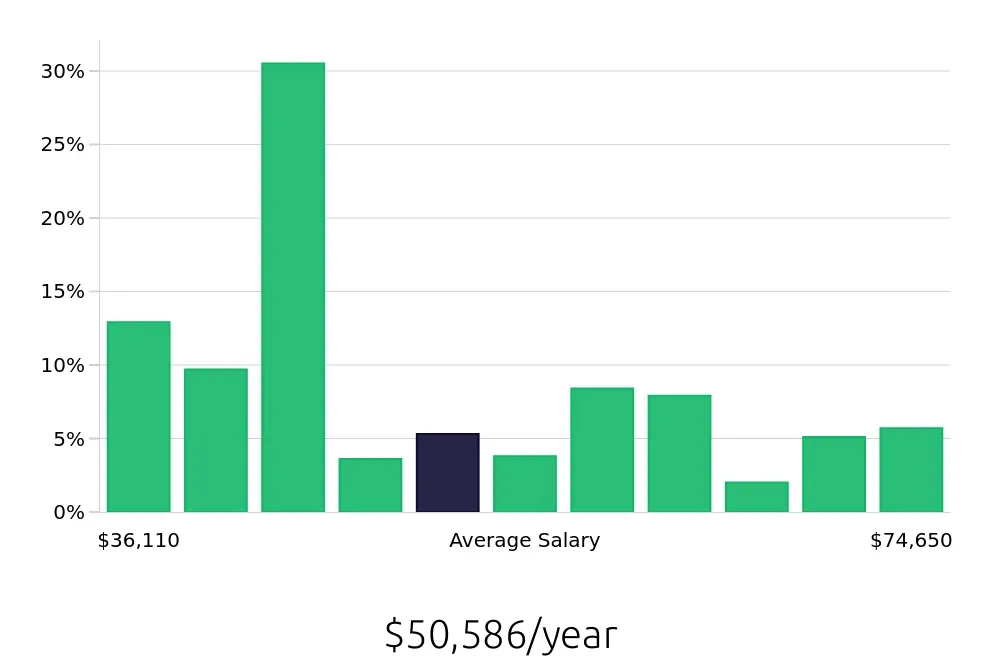
The financial prospects for Pharmacy Interns are also encouraging. According to the BLS, the average national annual compensation for this role stands at $134,790, with an hourly rate of $64.81. These figures reflect the importance of pharmacy professionals in the healthcare system and the compensation that comes with this level of responsibility and expertise. For job seekers, this data highlights the potential for a stable and lucrative career in pharmacy.
Currently 489 Pharmacy Intern job openings, nationwide.
Continue to Salaries for Pharmacy Intern