What does a Product Manager do?
A Product Manager guides the creation of new products from start to finish. They work closely with teams to understand customer needs. They then create plans to bring new products to market. They set goals for the product and track its success over time.
Product Managers gather feedback from customers and team members. They use this information to improve the product. They also make sure the product meets company goals. They work with designers, engineers, and marketers to create a product that stands out. They ensure the product is ready for the market at the right time. This role is key in making sure the company meets its business objectives.
A Product Manager must have strong communication skills. They must be able to explain ideas clearly to different teams. They also need to be good at problem-solving. They must be able to make decisions quickly and think strategically. This role requires someone who can balance short-term needs with long-term goals. Product Managers help companies stay competitive and meet customer needs effectively.
How to become a Product Manager?
Becoming a Product Manager is a rewarding journey that requires dedication and skill. This career path involves guiding products from inception through market launch and beyond. It demands a mix of creativity, strategic thinking, and technical understanding. By following the right steps, anyone can prepare for a successful career in product management.
Here are five key steps to becoming a Product Manager:
- Understand the Role: Learn about what a Product Manager does. They plan, develop, and oversee products. They work with different teams to bring products to market.
- Gain Relevant Education: Obtain a degree in business, computer science, or a related field. Many product managers also have an MBA. Education helps understand business principles and product lifecycle.
- Build Key Skills: Develop skills in communication, leadership, and data analysis. Experience with project management tools and software is also beneficial. Practice these skills through internships or projects.
- Gain Experience: Start with roles in marketing, sales, or engineering. Look for positions that involve product development. This experience helps build a strong foundation for a product management career.
- Network and Learn: Join professional organizations and attend industry events. Networking can lead to job opportunities. Stay updated with the latest trends and technologies in product management.
How long does it take to become a Product Manager?
Product management involves a mix of skills and knowledge that many companies value highly. To excel in this role, individuals typically start by gaining experience in related fields such as marketing, engineering, or finance. This foundational experience helps build a solid understanding of business needs and product development. Most professionals spend between two to five years gaining this experience before transitioning into product management roles.
Education and certifications also play a role in the timeline. Many employers prefer candidates with a bachelor’s degree in business, marketing, or a related field. Some choose to further their education with a master's degree or an MBA, which can take an additional one to two years. Additionally, certifications in project management or product management can provide a competitive edge and usually take a few months to complete. Combining work experience with formal education and certifications can shape a strong foundation for a product management career, generally requiring about three to seven years in total.
Product Manager Job Description Sample
The Product Manager is responsible for the development, launch, and ongoing management of our product portfolio. They work closely with cross-functional teams to identify market opportunities, define product requirements, and ensure that the product meets customer needs while aligning with business objectives. The ideal candidate will have a strong background in product management, excellent analytical skills, and the ability to drive product initiatives from concept to market.
Responsibilities:
- Conduct market research and analyze customer feedback to identify product opportunities and areas for improvement.
- Collaborate with engineering, design, marketing, and sales teams to define product requirements and create product roadmaps.
- Develop and manage product launch plans, ensuring that products are delivered on time and within budget.
- Monitor product performance and market trends, making data-driven recommendations for enhancements and new features.
- Communicate product vision and strategy to stakeholders, ensuring alignment across teams.
Qualifications
- Bachelor’s degree in Business, Marketing, Engineering, or a related field.
- 5+ years of experience in product management, preferably in a technology-driven environment.
- Strong understanding of product development processes and agile methodologies.
- Proven track record of successfully launching and managing products from concept to market.
- Excellent analytical and problem-solving skills.
Is becoming a Product Manager a good career path?
Being a product manager offers a unique blend of creativity and strategy. This role involves leading a product from idea to launch, working closely with teams across the company. It requires strong leadership and communication skills. Product managers often set the product vision, strategize its development, and make sure it meets market needs.
This career path includes many rewards. Product managers have the opportunity to influence major company decisions. They get to see their ideas come to life. They often have a significant impact on the company’s success. However, this role also comes with challenges. It can be demanding, requiring long hours and high levels of responsibility. Product managers must balance multiple tasks and meet tight deadlines.
Here are some pros and cons to consider:
- Pros:
- Opportunity to innovate and influence product development.
- High demand in various industries.
- Potential for career advancement.
- Cons:
- High pressure and responsibility.
- Potential for long hours and high stress.
- Need for constant learning and adaptability.
What is the job outlook for a Product Manager?
Product managers play a key role in today's business landscape. They lead teams to develop and launch successful products. This role requires strategic thinking, project management, and a deep understanding of market trends. The Bureau of Labor Statistics (BLS) reports that there are about 74,400 job positions available each year for product managers. This number is expected to grow by 5.1% from 2022 to 2032, offering a promising outlook for job seekers.
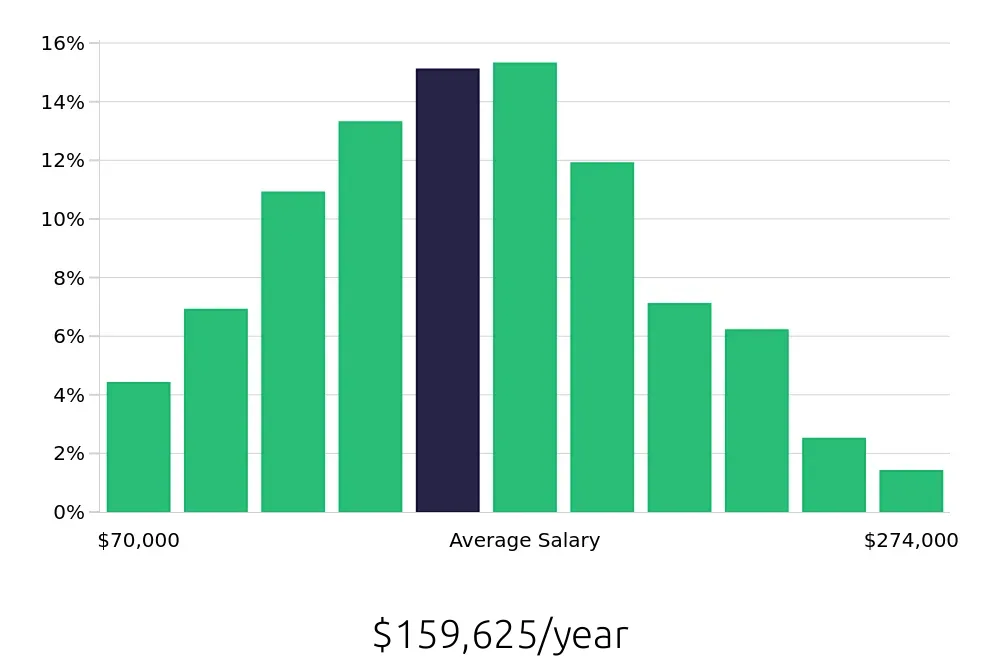
Product managers enjoy a strong earning potential. The BLS data shows that the average national annual compensation for product managers is $161,040. This translates to an average hourly wage of $77.43. These figures highlight the value that skilled product managers bring to organizations. The growing demand for innovative products drives the need for talented professionals in this field.
The role of a product manager offers diverse opportunities across various industries. Companies in technology, healthcare, consumer goods, and finance all need product managers. They help bring new products to market and improve existing ones. Job seekers with a passion for technology and business can find many rewarding career paths as product managers. With the right skills and experience, a career in this field can be both fulfilling and lucrative.
Currently 3,915 Product Manager job openings, nationwide.
Continue to Salaries for Product Manager