What does a Production Supervisor do?
A Production Supervisor oversees the daily operations of a manufacturing plant. This role involves managing teams to ensure that all products meet quality standards. Supervisors coordinate schedules, monitor production processes, and troubleshoot any issues that arise. They ensure that the team follows safety protocols and maintains a clean and efficient workspace.
Production Supervisors also play a key role in training new employees. They provide guidance and support to help team members understand their tasks. Supervisors work closely with management to plan production goals and set performance targets. Effective communication is essential, as they need to relay information between upper management and the production floor. This role requires someone who can lead by example and foster a collaborative work environment.
How to become a Production Supervisor?
Becoming a Production Supervisor involves several steps. It begins with gaining relevant education and experience. This role requires strong leadership skills and a good understanding of production processes. The goal is to oversee daily operations and ensure efficiency. Professionals need to manage teams, solve problems, and meet production goals.
Here are five steps to help achieve this career goal:
- Get the right education. Start with a high school diploma or GED. Many choose to further their education with a degree in business, management, or a related field. Some attend vocational schools for specialized training.
- Gain experience. Work in manufacturing or a related industry. Start in entry-level positions and work your way up. Experience in production environments is crucial. It helps you understand the day-to-day operations and challenges.
- Develop key skills. Learn skills such as leadership, communication, and problem-solving. Strong leadership skills are important to manage teams effectively. Good communication helps in conveying instructions and resolving issues.
- Pursue certifications. Consider getting certifications such as Certified Production and Inventory Manager (CPIM) or Project Management Professional (PMP). These can make your resume stand out and show your commitment to the field.
- Apply for positions. Look for job openings that match your skills and experience. Tailor your resume and cover letter for each application. Highlight relevant experience and skills. Networking can also open up job opportunities.
How long does it take to become a Production Supervisor?
Interest in becoming a Production Supervisor often stems from a desire to lead and manage in a manufacturing setting. This role typically involves overseeing daily operations, managing staff, and ensuring production targets are met. The time it takes to reach this position varies based on several factors.
Many individuals start by gaining relevant experience in manufacturing or production roles. This foundational experience can take one to three years, depending on the complexity of the job and the specific industry. Additional education or certifications can also play a role in career advancement. These qualifications, such as a certificate in manufacturing management or a bachelor’s degree in industrial engineering, can take an additional one to two years to complete. Individuals aiming for a Production Supervisor role often find that a total of three to five years of combined education and work experience is typical. This path can be adjusted based on personal dedication and career opportunities.
Career progression to a Production Supervisor position often involves several steps. Starting as an entry-level worker, one may move up to a production operator role. With experience, a worker can become a team leader or shift supervisor. Each of these roles offers valuable experience and skills that prepare individuals for the responsibilities of a Production Supervisor. Attention to detail, leadership skills, and a strong understanding of manufacturing processes all contribute to successful advancement in this field.
Production Supervisor Job Description Sample
The Production Supervisor is responsible for overseeing the daily production activities within the manufacturing plant to ensure that production goals and quality standards are met. They will manage a team of production workers, coordinate production schedules, and ensure efficient operations. The Production Supervisor will also be responsible for maintaining equipment, monitoring inventory, and implementing safety protocols.
Responsibilities:
- Oversee and direct the daily operations of the production team.
- Plan, coordinate, and supervise manufacturing operations to meet production schedules and quality standards.
- Monitor and manage inventory levels to ensure materials are available for production.
- Coordinate with other departments to ensure smooth workflow and communication.
- Maintain and monitor production equipment to ensure optimal performance and minimize downtime.
Qualifications
- Bachelor’s degree in Industrial Management, Engineering, or related field preferred.
- Proven experience as a Production Supervisor or similar role in a manufacturing environment.
- Strong knowledge of production processes, tools, and equipment.
- Excellent leadership and team management skills.
- Proficient in production management software and tools.
Is becoming a Production Supervisor a good career path?
A career as a Production Supervisor involves overseeing the day-to-day operations within a manufacturing or production environment. Supervisors ensure that products meet quality standards and that production runs smoothly. They work closely with employees, managers, and sometimes even clients. This role requires strong leadership skills and a deep understanding of the production process.
This position offers many benefits and challenges. On the positive side, a Production Supervisor can see the tangible results of their hard work. They play a key role in the success of a company by ensuring that products meet deadlines and quality standards. Supervisors also get to interact with a diverse group of people, from factory workers to upper management. However, the job can be demanding. Supervisors often work long hours, especially during production peaks. The role also requires quick decision-making and problem-solving skills to handle unexpected issues.
Here are some pros and cons to consider when thinking about a career as a Production Supervisor:
- Pros:
- Direct impact on product quality and production efficiency.
- Opportunity for career advancement to higher management positions.
- Ability to work in various industries, including manufacturing, food production, and pharmaceuticals.
- Cons:
- Often requires long and irregular hours, including nights and weekends.
- High-stress environment due to tight deadlines and pressure to meet quotas.
- Responsibility for resolving workplace conflicts and ensuring team cooperation.
What is the job outlook for a Production Supervisor?
The job outlook for Production Supervisors remains positive and steady, with an average of 15,300 positions opening each year. According to the Bureau of Labor Statistics (BLS), job openings are expected to rise by 1.6% from 2022 to 2032. This growth indicates a stable demand for skilled Production Supervisors across various industries.
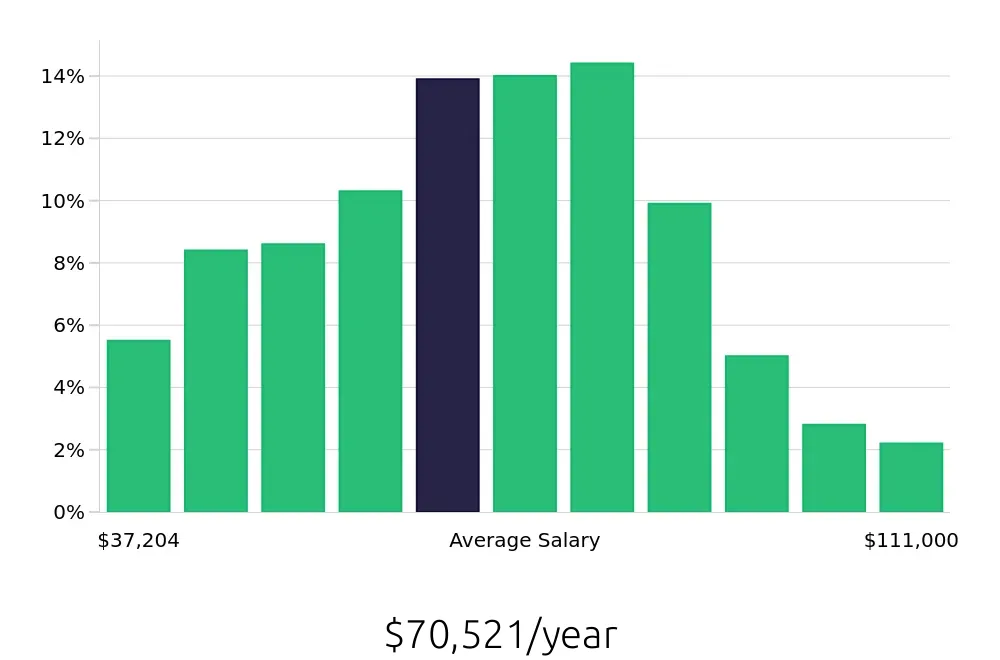
For those seeking a career as a Production Supervisor, the average annual compensation stands at $125,900. Hourly compensation averages $60.53, reflecting the importance and responsibility of the role. These figures make this career path attractive to professionals looking for both growth opportunities and financial rewards.
The role of a Production Supervisor requires overseeing the manufacturing and production processes, ensuring efficiency and quality. This position demands strong leadership and organizational skills, making it a valuable role in any production-based environment. Job seekers with these competencies can look forward to a fulfilling and rewarding career as a Production Supervisor.
Currently 2,763 Production Supervisor job openings, nationwide.
Continue to Salaries for Production Supervisor