What does a Production Worker do?
A Production Worker plays a key role in the manufacturing process. They operate and monitor machinery to ensure that products meet quality standards. The role involves assembling parts, performing routine inspections, and maintaining a clean work environment. Workers also follow specific procedures to handle materials and ensure safety on the production floor.
This position requires attention to detail and the ability to work efficiently in a fast-paced environment. A Production Worker collaborates with other team members to meet production goals. They may also be responsible for keeping machinery in good working order, reporting any malfunctions to supervisors. This role offers opportunities to learn new skills and advance within the company. Successful candidates demonstrate a commitment to quality and safety while contributing to the production process.
How to become a Production Worker?
Becoming a production worker offers a rewarding career path in various industries. This role requires dedication and attention to detail. It is ideal for those who enjoy hands-on work and teamwork. Follow these steps to start your journey as a production worker.
First, research different production jobs to understand what each role involves. Look for opportunities that match your skills and interests. Websites like Indeed or LinkedIn can be helpful for this search. Next, gather the necessary education and training. Many production jobs require at least a high school diploma. Some employers may prefer candidates with vocational training or a degree in a related field.
- Identify relevant production jobs.
- Complete required education and training.
- Gain hands-on experience through internships or entry-level positions.
- Apply for production worker positions.
- Prepare for interviews and attend them with confidence.
Hands-on experience can be crucial for standing out in the job market. Internships or entry-level positions provide valuable skills and a chance to learn from experienced workers. After gaining the right qualifications and experience, apply for production worker positions. Tailor your resume and cover letter to each job. Highlight your relevant skills and experiences. Attend interviews prepared and with confidence. This will increase your chances of securing a position.
How long does it take to become a Production Worker?
A career as a Production Worker can open many doors in the manufacturing world. This role involves operating machinery, assembling products, and conducting quality checks. The time to start working in this role varies. Most workers need a high school diploma or equivalent. Some roles require additional training or certifications.
The path to becoming a Production Worker typically takes a few months to a year. Many enter the field with on-the-job training. This hands-on experience can happen through apprenticeships or employer-sponsored programs. Some workers might choose to attend a vocational school or community college. These programs often last from a few weeks to a year. They cover essential skills and knowledge needed for the job. These steps help new workers feel ready and confident in their roles.
Production Worker Job Description Sample
We are looking for a dedicated and hardworking Production Worker to join our manufacturing team. The Production Worker will be responsible for operating machinery and equipment, inspecting products, and maintaining a clean and safe work environment. This role is crucial for ensuring the smooth operation of our production line and meeting our production targets.
Responsibilities:
- Operate machinery and equipment in accordance with safety protocols.
- Monitor production processes and report any issues or anomalies to the production supervisor.
- Perform routine maintenance and inspections on machinery and equipment.
- Assemble, package, and inspect finished products to ensure quality standards are met.
- Maintain a clean and organized work area to ensure a safe and efficient work environment.
Qualifications
- High school diploma or equivalent required; additional vocational training or technical education is a plus.
- Previous experience in a production or manufacturing environment is highly desirable.
- Ability to read and interpret technical manuals, blueprints, and production specifications.
- Strong attention to detail and a commitment to quality.
- Good physical stamina and the ability to perform repetitive tasks for extended periods.
Is becoming a Production Worker a good career path?
A career as a Production Worker offers a unique blend of hands-on tasks and critical contributions to manufacturing and assembly lines. This role often involves operating machinery, inspecting products for defects, and following strict safety protocols. It can serve as a solid foundation for career growth and skill development in various industries.
The benefits of a Production Worker role include consistent employment opportunities, potential for overtime pay, and the ability to learn new skills on the job. Many companies offer training programs to help workers advance to higher positions. However, this role also has its challenges. Workers may face physically demanding tasks, repetitive motions, and the risk of injuries. Shift work can also disrupt personal schedules, making it difficult to balance work and home life.
Those considering this career should weigh both the positives and negatives carefully. An open mind and readiness to adapt can make this path both rewarding and fulfilling.
- Pros:
- Consistent employment opportunities
- Potential for overtime pay
- On-the-job training
- Cons:
- Physically demanding tasks
- Repetitive motions
- Risk of injuries
- Shift work can disrupt personal schedules
What is the job outlook for a Production Worker?
Job seekers looking for steady employment opportunities can explore the production worker role. This essential position supports many industries, from manufacturing to food processing. The Bureau of Labor Statistics (BLS) reports an average of 78,100 job positions for production workers each year. This suggests a consistent demand for these skilled professionals.
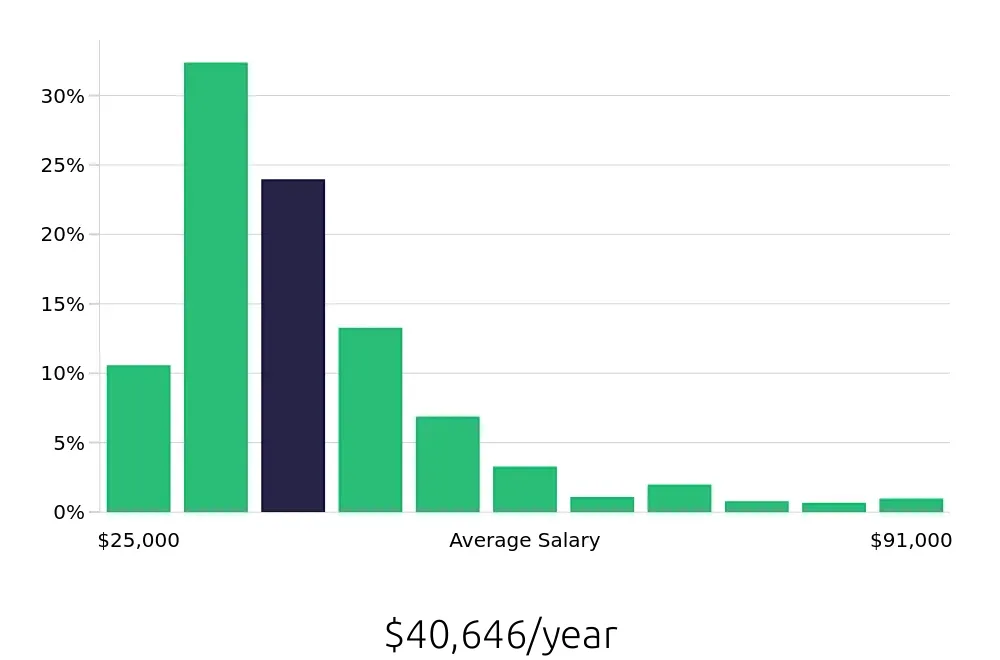
Despite a projected percent change of -3.5% in job openings from 2022 to 2032, production workers will remain crucial. This role often offers stable employment and opportunities for advancement. Those willing to invest in training and new skills may find good prospects. The BLS notes an average national annual compensation of $42,360 for production workers. This figure highlights the potential for earning a decent living wage in this field.
Production workers earn an average of $20.36 per hour, according to the BLS. This hourly wage reflects the value of the skills and dedication these workers bring to their roles. For job seekers, this position offers a blend of steady employment and decent pay. With the right approach, production workers can enjoy a rewarding career path.
Currently 4,799 Production Worker job openings, nationwide.
Continue to Salaries for Production Worker