What does a Property Manager do?
A Property Manager oversees residential or commercial properties on behalf of owners. They handle the day-to-day operations, ensuring everything runs smoothly. This includes collecting rent, maintaining the property, and addressing tenant concerns. Property Managers also work to find and screen potential tenants, negotiate leases, and ensure all legal and safety regulations are met. Their goal is to provide a comfortable living or working environment while maximizing the owner's investment.
Property Managers often interact with tenants to resolve issues and improve satisfaction. They may also handle repairs and maintenance, arrange for utility services, and manage budgets. A strong understanding of real estate laws and regulations is essential. Additionally, Property Managers must have excellent communication and organizational skills. They act as the main point of contact between tenants and property owners, ensuring smooth and efficient property management.
How to become a Property Manager?
Becoming a property manager can lead to a rewarding career in real estate. This role involves overseeing residential or commercial properties. It requires a mix of customer service, administrative, and financial skills. Follow these steps to start your journey as a property manager.
First, gain education and experience. Many property managers hold at least a bachelor’s degree in business, real estate, or a related field. Practical experience helps as well. Working in sales, customer service, or administrative roles can provide valuable skills. Consider internships or entry-level jobs in real estate.
- Obtain relevant education: Enroll in courses that cover real estate principles, property management, and business.
- Gain practical experience: Work in real estate or related fields to build a strong resume.
- Get licensed: Check local requirements for real estate licenses or property management certifications.
- Network: Connect with industry professionals. Attend seminars and join local real estate associations.
- Apply for jobs: Search for entry-level positions in property management. Use job boards and company websites.
How long does it take to become a Property Manager?
Pursuing a career as a Property Manager offers rewarding opportunities and job satisfaction. The timeline to enter this field varies based on education, experience, and certifications. Typically, those with a high school diploma can begin with an entry-level position, which may require on-the-job training. For more advanced roles, obtaining a bachelor’s degree in real estate, business, or a related field is common.
Most aspiring Property Managers gain experience through internships or entry-level jobs while completing their degree. This hands-on experience helps understand property management operations. After gaining experience, obtaining relevant certifications can boost career prospects. Certifications such as the Certified Property Manager (CPM) credential enhance credibility and knowledge. Many professionals find it takes about two to five years to build the necessary education and experience to become a successful Property Manager.
Property Manager Job Description Sample
We are seeking an experienced Property Manager to oversee the operations of our real estate properties. The ideal candidate will have a strong background in property management, excellent communication skills, and a proven ability to manage multiple properties effectively. This role requires a detail-oriented professional who can ensure properties are well-maintained, tenants are satisfied, and financial goals are met.
Responsibilities:
- Oversee daily operations of assigned properties, including maintenance, repairs, and tenant relations.
- Ensure properties are maintained in a clean and safe condition, adhering to all local, state, and federal laws and regulations.
- Manage the leasing process, including advertising, showing properties, and processing applications.
- Conduct regular property inspections to identify and address any maintenance or safety issues.
- Prepare and manage the property budget, ensuring all financial goals and targets are met.
Qualifications
- Bachelor’s degree in Real Estate, Business Administration, or a related field preferred.
- Minimum of 3-5 years of experience in property management or a related role.
- Proven track record of successfully managing residential or commercial properties.
- Strong knowledge of property management software and Microsoft Office Suite.
- Excellent communication and interpersonal skills, with the ability to build strong relationships with tenants and vendors.
Is becoming a Property Manager a good career path?
Being a property manager can lead to a rewarding career. This job focuses on handling real estate. A property manager takes care of residential or commercial properties. They ensure these properties are clean, well-maintained, and rented out or sold. This role combines skills in management, communication, and customer service. It allows someone to stay active and connect with many people.
Property management offers a mix of advantages and challenges. Understanding these can help someone decide if this career is the right fit. Here are some pros and cons to consider.
- Pros
- Flexibility: Property managers often have flexible hours. This allows for a better work-life balance.
- Interaction: This job involves meeting many people. Property managers often interact with tenants and clients.
- Variety: Every day brings new tasks. There is never a dull moment in this role.
- Cons
- Irregular Hours: Long or unexpected hours are common. Property managers may need to be available outside of normal business hours.
- Stress: Managing properties can be stressful. It requires dealing with repairs, tenant issues, and financial management.
- Demanding: This job can be very demanding. It requires a lot of time and attention.
What is the job outlook for a Property Manager?
Property managers play a vital role in the real estate industry, overseeing residential and commercial properties. According to the Bureau of Labor Statistics (BLS), there are, on average, 35,900 job positions available for property managers each year. This shows a steady demand for qualified professionals in this field.
The job outlook for property managers remains positive. The BLS projects a 5.4% increase in job openings from 2022 to 2032. This steady growth indicates a promising future for those pursuing a career as a property manager. With more opportunities becoming available, job seekers can look forward to a stable job market.
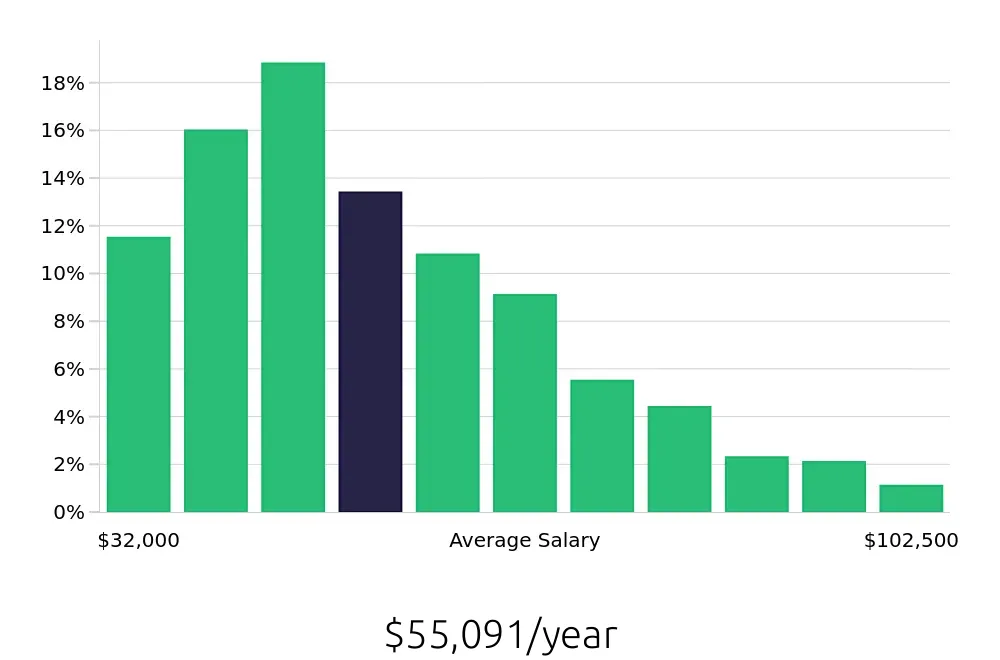
A career in property management offers competitive compensation. The BLS reports an average national annual salary of $78,400 for property managers. In addition, the average hourly compensation is $37.69, reflecting the value placed on their expertise and responsibilities. For job seekers, this means the potential for a rewarding financial outcome.
Currently 5,992 Property Manager job openings, nationwide.
Continue to Salaries for Property Manager